


I am fortunate to have several individuals whom I can call to bounce off ideas and concepts, and of course, listen to their insights. Among these valued connections is Jeff DeGraff, an innovator with years of experience. During one of our recent conversations, as we wrapped up our call, Jeff imparted a profound statement: “There can be no innovation without a sense of destiny.” Instinctively, I responded, “Wow, Jeff—that’s deep.” Initially, I thought the quote might be attributed to luminaries like Steve Jobs or Dwight Eisenhower, but after searching, I couldn’t find it referenced anywhere. Thus, this insightful phrase now rightfully belongs to Jeff DeGraff.
Exploring the Quote: “There can be no innovation without a sense of destiny”
Innovation and Destiny: An Inextricable Link
Innovation, the process of creating something new or significantly improving existing products, processes, or ideas, is often driven by a profound sense of purpose or destiny. This concept is vividly captured in the quote…But what does this really mean?
Understanding Destiny in the Context of Innovation
Destiny, in this context, refers to a deeply rooted belief in a future outcome or vision that guides and motivates efforts toward innovation. It is the sense of purpose that provides direction and meaning, propelling individuals and organizations to push the boundaries of what is possible. Without this sense of destiny, innovation efforts become aimless, lacking the coherence and drive necessary to overcome obstacles and achieve breakthroughs.
Historical Examples of Innovation Driven by Destiny
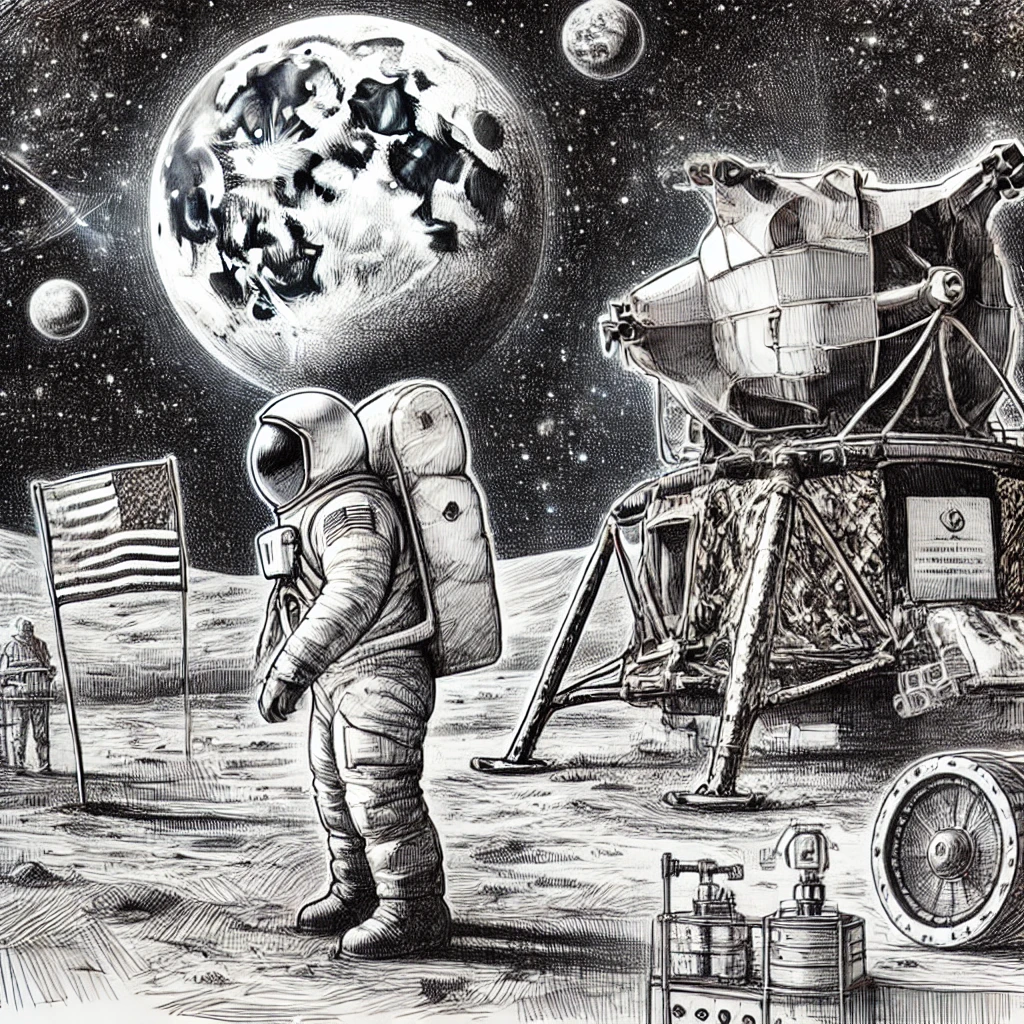
- Space Exploration: The Apollo Missions
- The space race of the 1960s, culminating in the Apollo moon landings, was driven by a powerful sense of destiny. President John F. Kennedy’s vision of landing a man on the moon and returning him safely to Earth galvanized a nation. This clear and compelling destiny fueled relentless innovation, leading to technological advancements that not only made the moon landing possible but also spurred countless other innovations in various fields.
- The Internet Revolution
- The creation and expansion of the Internet were driven by a visionary sense of connecting the world. Innovators like Tim Berners-Lee, who invented the World Wide Web, and the founders of companies like Google and Amazon, were guided by the belief that the Internet could fundamentally change how people communicate, access information, and conduct business. Their sense of destiny led to innovations that transformed the global landscape.
The Role of Leadership in Cultivating a Sense of Destiny
Effective leadership plays a crucial role in cultivating and sustaining a sense of destiny within organizations. Leaders who articulate a clear vision of the future can inspire their teams to innovate relentlessly. This vision must be communicated compellingly and consistently, embedding it into the organizational culture.
- Visionary Leaders
- Leaders like Steve Jobs, Elon Musk, and Jeff Bezos are often cited as examples of visionaries who have used their sense of destiny to drive innovation. Jobs’ vision for Apple was to create products that changed the world, a destiny that led to the development of iconic innovations like the iPhone and iPad. Musk’s vision of making humanity a multi-planetary species drives SpaceX’s ambitious projects. (Note they might all be a tad crazy)
- Strategic Implementation
- Beyond vision, leaders must strategically implement plans that align with their sense of destiny. This involves setting ambitious goals, fostering a culture of creativity and risk-taking, and providing the necessary resources and support for innovation.
Innovation as a Collective Endeavor
While individual visionaries are important, innovation is often a collective endeavor. A sense of destiny must permeate the entire organization, fostering a shared belief in the possibility and importance of the envisioned future. This collective sense of purpose can unify efforts, encourage collaboration, and sustain motivation through challenges.

Challenges and Considerations
- Balancing Vision with Pragmatism
- While a sense of destiny is essential, it must be balanced with pragmatism. Innovators must navigate the practical realities of their fields, including technical limitations, market conditions, and regulatory environments. The challenge is to remain grounded while still striving for lofty goals.
- Adapting to Change
- The path to innovation is rarely linear. Organizations must be adaptable, willing to pivot and change strategies in response to new information or changing circumstances. A sense of destiny can provide the stability needed to navigate these changes without losing sight of the ultimate goal.
In The End
In summary, Jeff DeGraff’s assertion that “There can be no innovation without a sense of destiny” highlights the importance of a compelling vision in driving innovation. This sense of destiny provides direction, motivation, and coherence, enabling individuals and organizations to push the boundaries of what is possible. Through historical examples and the role of visionary leadership, it becomes clear that a deeply held belief in a future outcome is indeed a powerful catalyst for innovation. I think the question is—do we have that sense of destiny today?

 Mastermind Century Group