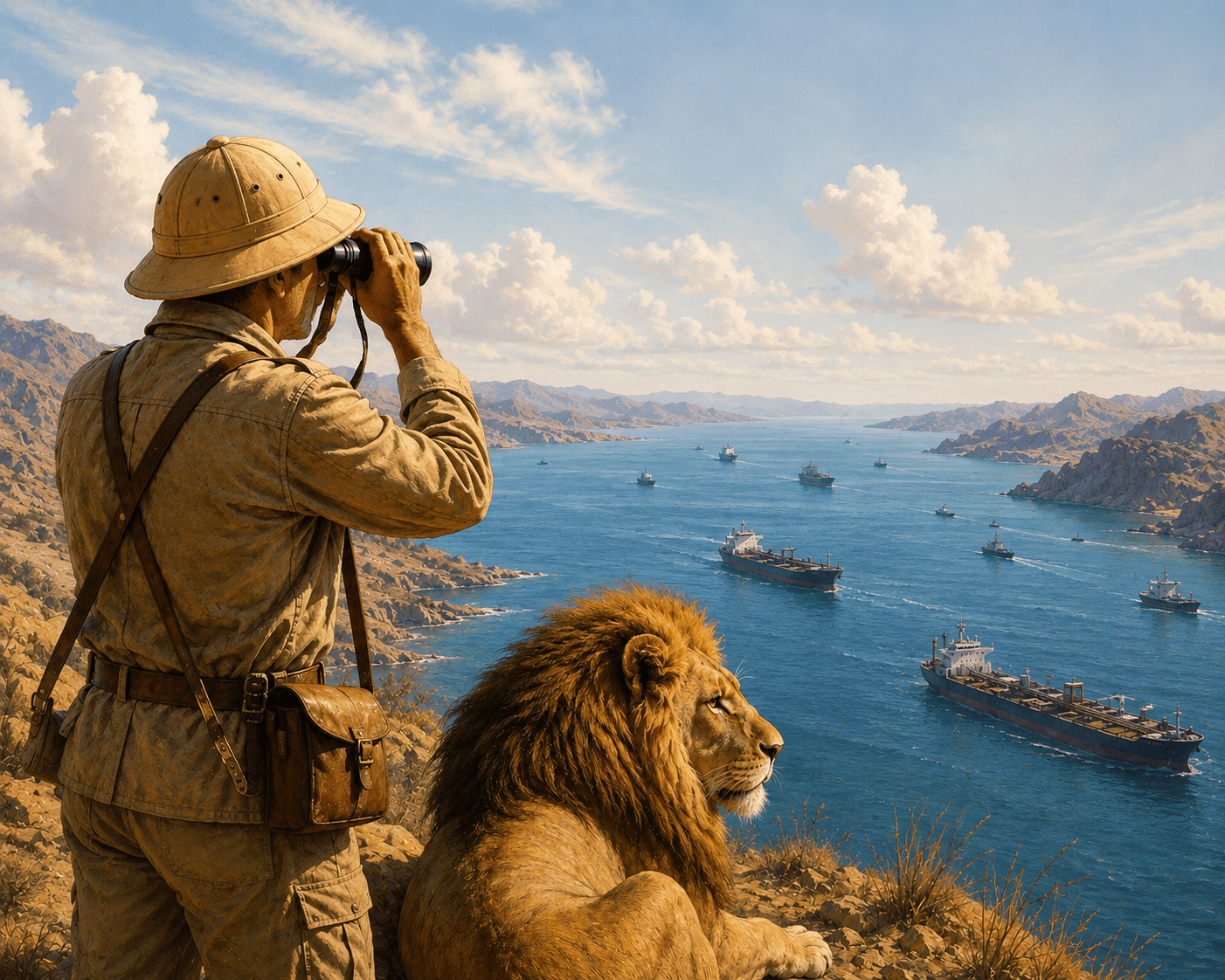

Wondering Where the Lions Were: France, 1940, and the Adaptation Window: DeMarco Banter

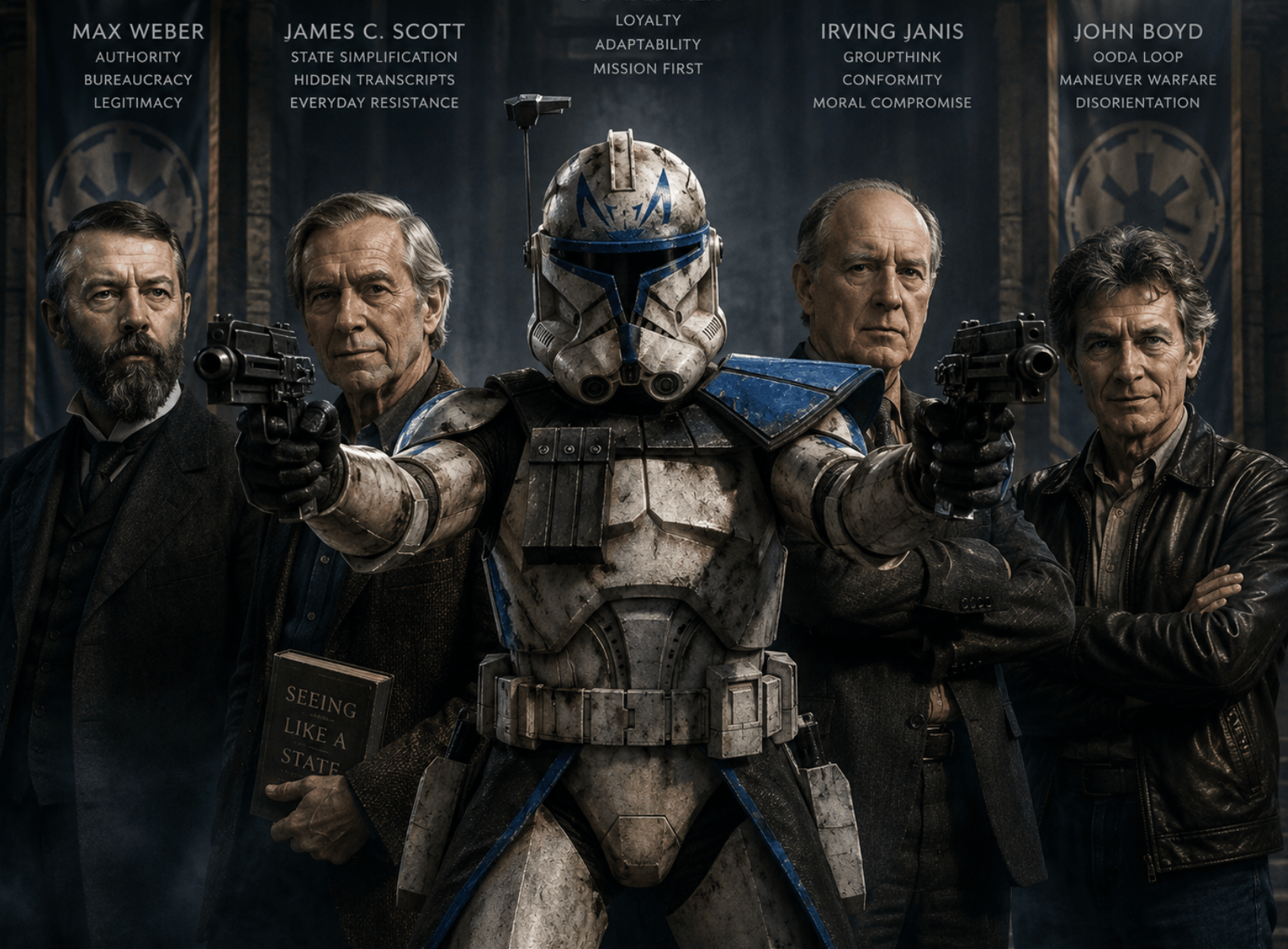
Part of this week went to rereading Stephen Robinson's The Blind Strategist. It is a useful book, though maybe not for the reasons Robinson intends. At its core, the book is an attack on John Boyd, maneuver warfare, and a generation of military thinkers who leaned hard on German operational history. Robinson's argument, stated plainly, is …

The Screwdriver We Can’t Put Down: Mission Command in the Age of Everything Visibleโ€”DeMarco Banter

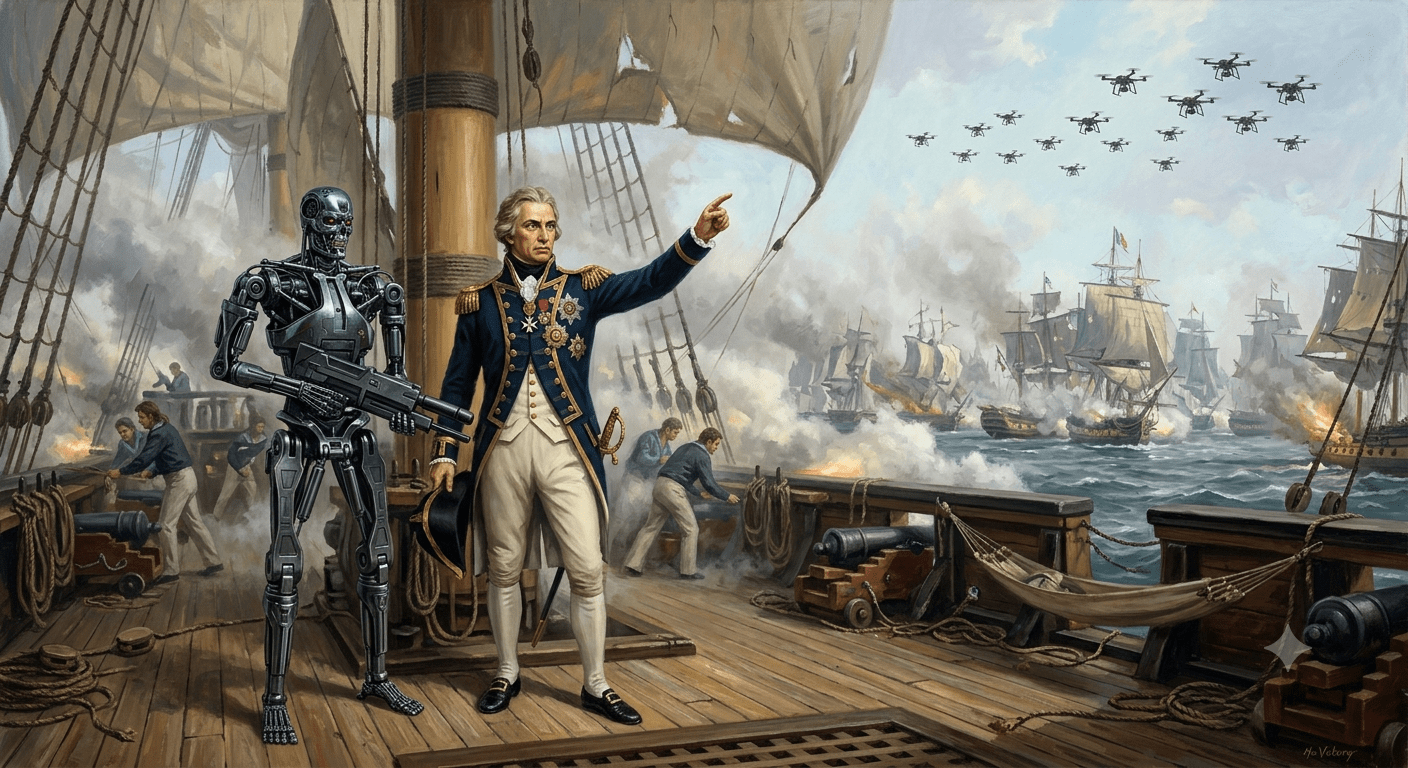
Before the Battle of Trafalgar in October 1805, Horatio Nelson sent a signal to his fleet that has outlived almost everything else about that day: โ€œNo Captain can do very wrong if he places his ship alongside that of an enemy.โ€ It reads like a grant of tactical freedom. It was something closer to the …

Moving the Boxes Again: On Innovation Reform and the Limits of Reorganization: DeMarco Banter

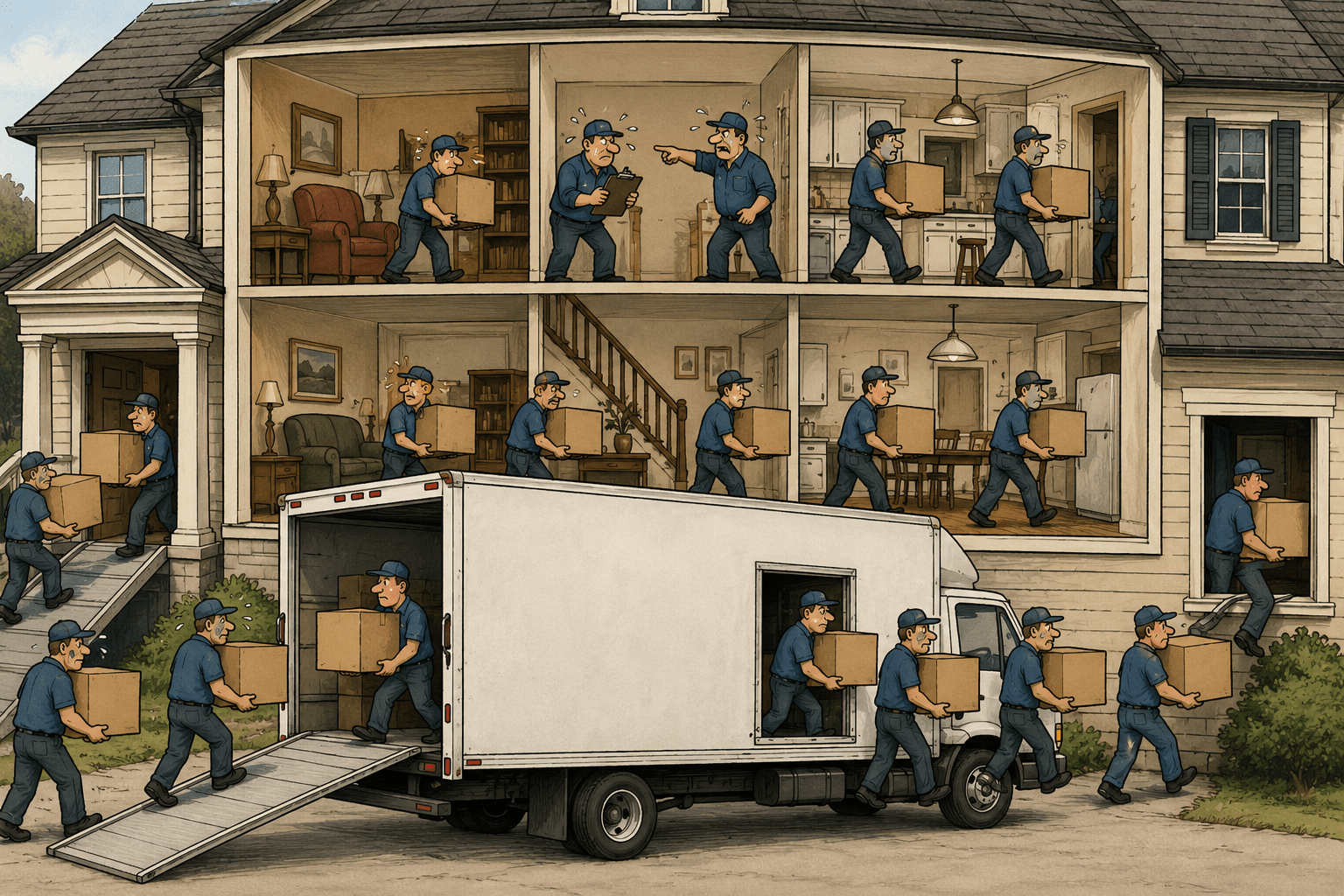
In late April 2026, the Air Force Research Laboratory announced it was consolidating eleven of its organizations into seven. The press release called it โ€œthe most significant organizational change for AFRL in nearly 30 years.โ€ AFWERX and SpaceWERX, along with pieces of three other former directorates, were folded into a new Technology Transition Office โ€” …

Wondering Where the Lions Were: The Redux โ€” Energy, the Three Webs, and the Chokepoint Already Built

DeMarco Banter The nation that breaks the hydrocarbon monopoly rules the twenty-first century. That line was written in 2008, in a National Security Affairs Fellowship thesis at the Hoover Institution. It sat inside a strategy sketch called Quantum Look, which argued that the United States should treat alternative energy not as an environmental preference but …

The Nearest Alligator Is Not the Biggest: DeMarco Banter

On the American inability to distinguish the imminent from the existential An old bit of frontier wisdom says to prioritize the alligator nearest the boat. That advice works when the alligators are of roughly equal size. It fails catastrophically when the small alligator in front of the boat is a distraction from the much larger …

Shadow Strategy: The Enduring Challenge of Gray War: Implications for Air and Space Power (DeMarco Banter)

Drafted 4 May 2025 Shadow Strategy: The Enduring Challenge of Gray War: Implications for Air and Space Power Thankful for National Defense University's Prism Journal for publishing this article. Here is the original piece prior to edits The contemporary global security environment is increasingly characterized by competition and conflict that falls short of traditional armed …

The Quiet War Within: Leon Festinger and the Architecture of Self-Deception: DeMarco Banter

There is a tendency, particularly within military and strategic communities, to locate failure externally. We point to adversaries, to resource constraints, to political incoherence, or to the friction inherent in complex systems. These are all real. But they are not sufficient. The more dangerous failureโ€”the one that precedes operational collapseโ€”is internal. It is cognitive, psychological, …

What Cognitive Warfare Actually Looks Like: DeMarco Banter

A distorted mirror, an Axios article, and the battle for orientation I read an Axios article the other morning that stuck with me longer than I expected. Not because it was particularly dramatic, but because it triggered a simple question:ย if what the article suggests is true, do people actually realize what they are looking at? …

The Kill Line: Strategy in an Age of Thresholds: DeMarco Banter

Modern strategy is increasingly about thresholds rather than targets. In Chinese video-game culture, the kill line refers to a simple mechanic: the point at which a characterโ€™s remaining health is so low that any additional hitโ€”no matter how smallโ€”results in elimination. Above the line, mistakes are survivable. Below it, they are terminal. Recovery is no longer possible. …

When You Are Not Magnificent, Do Not Perform Magnificence: DeMarco Banter

Leadership requires confidence. It doesย notย require believing we are magnificent. In fact, Iโ€™d be worried about any leader who genuinely thought they were. Thereโ€™s a line in the song Holocene by Bon Iver that captures a truth most leaders eventually confront: โ€œI was not magnificent.โ€ That line isnโ€™t self-criticism. Itโ€™s scale awareness. There are moments in leadership when …