

Punk as Strategy: How Institutions Adapt When Authority Lags Reality–DeMarco Banter

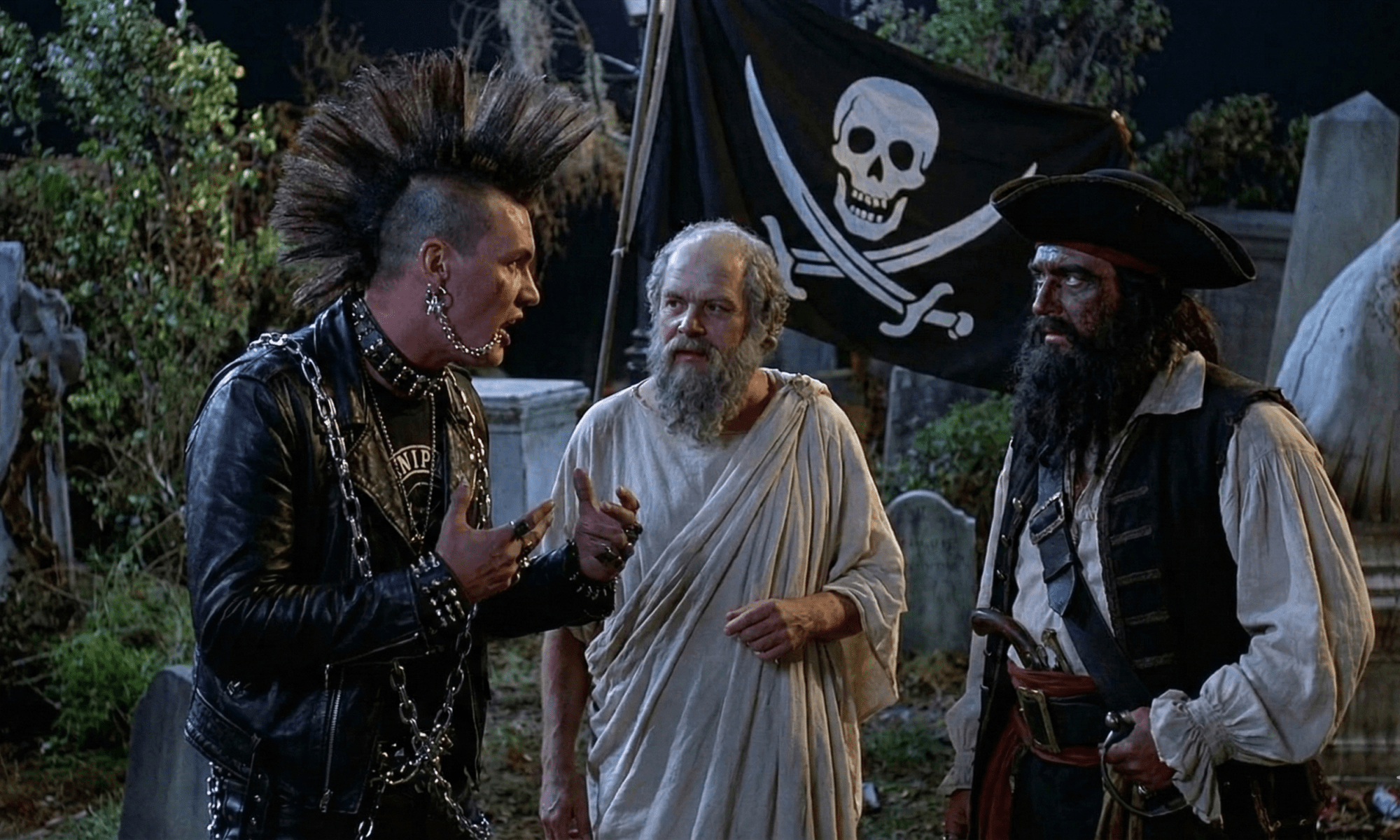
Punk did not begin in 1976 with a sneer, a safety pin, or a Sex Pistols B-side. Those were sparks, not origins. As Chris Sullivan argues in a recent essay—and expands powerfully in his book Punk: The Last Word—punk is not a genre, a haircut, or a moment in British cultural history. It is a mindset. A way of confronting …

Nothing Changes On New Years Day: DeMarco Banter

For years, I have posted this EVERY NEW YEAR'S--and I started thinking, does it mean anything new now? New Year’s Day has aged remarkably well precisely because it was never about a calendar flip. It was always about the tension between symbolic moments and structural reality—a problem leaders, strategists, and innovators are still wrestling with. Every New …

 Icons in the Shadows: What Bowie, Dylan, Ozzy, and Idol Taught Me About Life at the Edge—DeMarco Banter

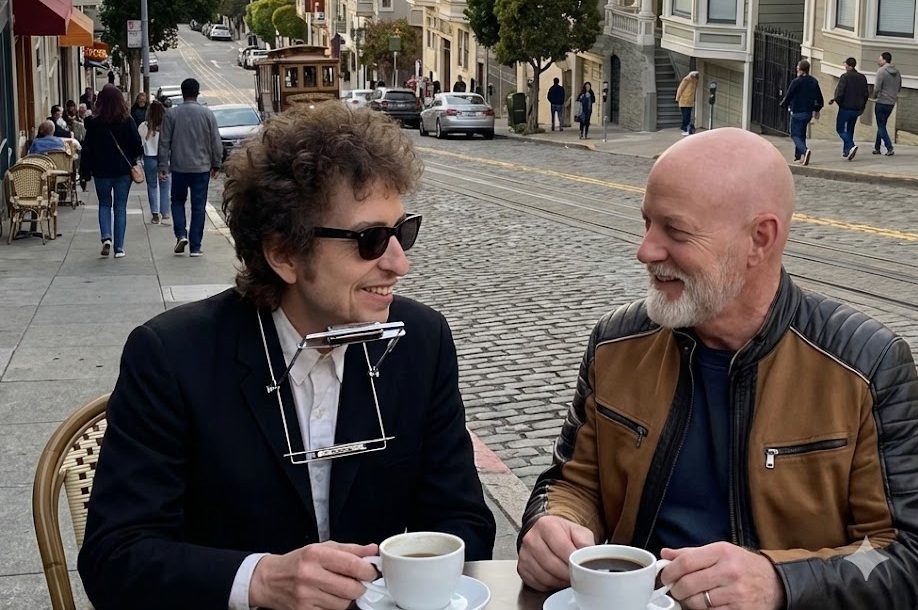
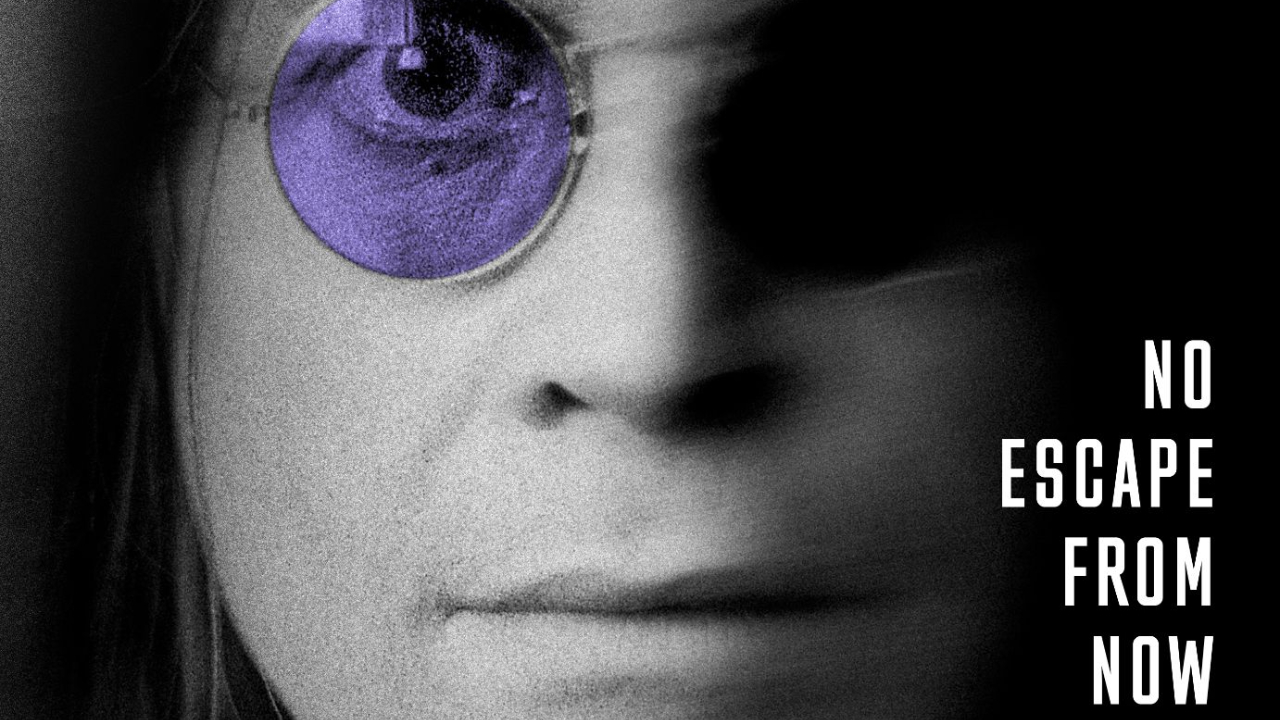
I just finished reading Dancing with Myself Billy Idol’s raw and intense autobiography. Around the same time, I watched the Ozzy Osbourne biography—No Escape From Now, an oddly moving portrait of the Prince of Darkness. Then there was A Complete Unknown, the 2024 biopic starring Timothée Chalamet as a young Bob Dylan and loosely based on Elijah …

The Leader Out of Time: What Elvis Costello’s “Man Out of Time” Reveals About Leadership Today: DeMarco Banter

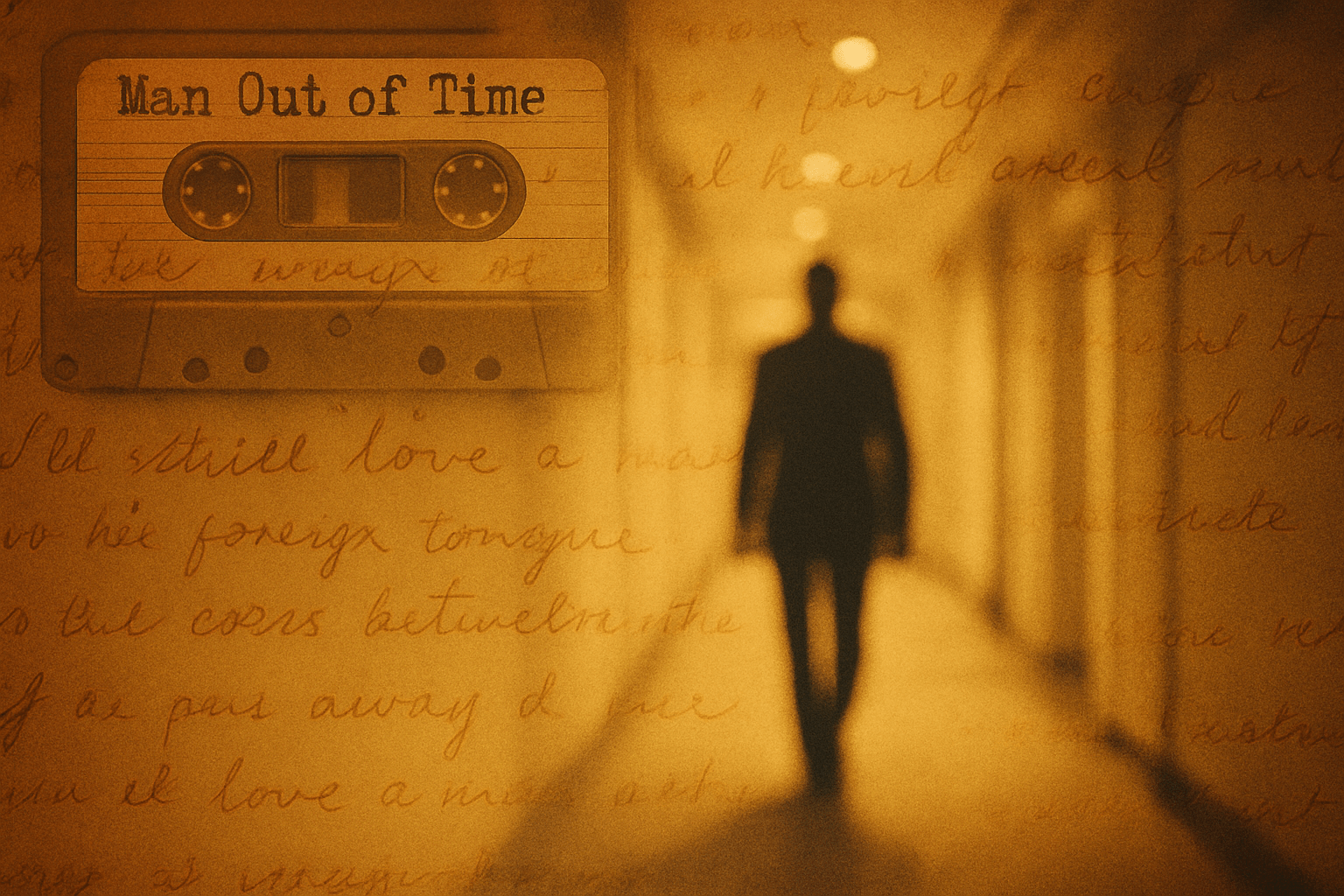
When Man Out of Time appeared on Elvis Costello’s 1982 album Imperial Bedroom, it emerged from a period of artistic intensity and personal volatility. Costello had spent the previous years burning through the British punk and new-wave scenes with a kind of furious intelligence—brilliant, prolific, and combustible. His early reputation for biting cynicism and lyrical sharpness had already …

Tom Sawyer on the Cognitive Frontier: Awakening in the Age of the Eminence Front: DeMarco Banter

The opening snare roll of Tom Sawyer is a call to consciousness. It’s more than a song—it’s a declaration of mental independence, a drumbeat against conformity. When Rush released it in 1981, Neil Peart’s lyrics described a “modern-day warrior” whose “mind is not for rent to any god or government.” It was a line of defiance in …

When Good Isn’t Enough: Eagles, Hotel California, and the Discipline of Change: DeMarco Banter

The Comfort of “Good Enough” There’s a peculiar danger that stalks successful organizations, leaders, and even artists: the trap of “good enough.” When the metrics look solid, when the crowd is clapping, when the machine is humming along smoothly, the temptation is to keep things as they are. Why rock the boat? Why introduce turbulence …

Everybody Knows: Leonard Cohen’s Prophetic Mirror for the 21st Century: DeMarco Banter

The Song as Prophecy Leonard Cohen’s “Everybody Knows” first appeared in 1988, yet it sounds like it was written yesterday. Its refrain—everybody knows—is a haunting chorus of resignation, a recognition that corruption, betrayal, and decay are not hidden but openly visible. We live in an age of unprecedented transparency: livestreamed wars, financial scandals dissected in …

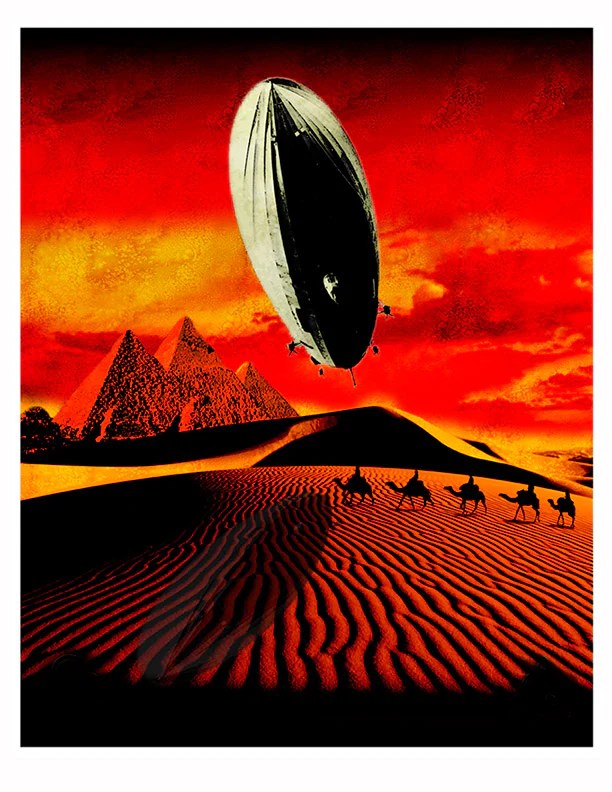
Sonic Pilgrimage: What Kashmir Teaches Us About Vision, Innovation, and Strategy: DeMarco Banter

I have to admit, I’m old—but not that old. Led Zeppelin was already well established by the time I started listening to rock music. Still, I vividly remember when In Through the Out Door came out while I was in junior high—just before John Bonham’s tragic death in 1980. That moment marked the end of …

The Lizard King and the Edgewalker: Leadership, Myth, and the Art of Strategic Disruption: DeMarco Banter

"I am the Lizard King. I can do anything." — Jim Morrison Jim Morrison was not a conventional leader. He was a poet-shaman, a provocateur, and a performer who unraveled boundaries rather than enforcing them. But in an age defined by complexity, ambiguity, and accelerating change, Morrison’s self-styled persona—the Lizard King—offers more than artistic flair. …

The Soundtrack to a World in Decline: The Police and DeMarco Banter (“Ωmegaman,” “Spirits in the Material World,” and “Invisible Sun”)

A New Wave Dystopia In the early 1980s, The Police crafted a sound that blended punk, reggae, and new wave into anthems that were more than just catchy melodies. Beneath the radio-friendly hits lay deeper, darker themes—alienation, war, political decay, and the struggle for meaning in an increasingly mechanized world. Three songs in particular—“Ωmegaman,” “Spirits …