

Thanks to West Point for picking up this piece: READ MORE HERE
For the better part of a century, the grand strategy of the United States has been predicated on a deeply entrenched, almost subconscious mental model: the belief that political order is the natural, baseline condition of human societies, and that chaos is an artificial aberration caused by specific malign actors. This event-based logic posits that stability is a self-righting mechanism; once the agent of disruption—be it a fascist dictator, a communist insurgent, or a terrorist warlord—is removed via decisive kinetic action, the society in question will naturally snap back to a state of equilibrium. In this view, war is a discrete event, a surgical incision to excise a tumor, after which the body politic heals itself with minimal postoperative care.
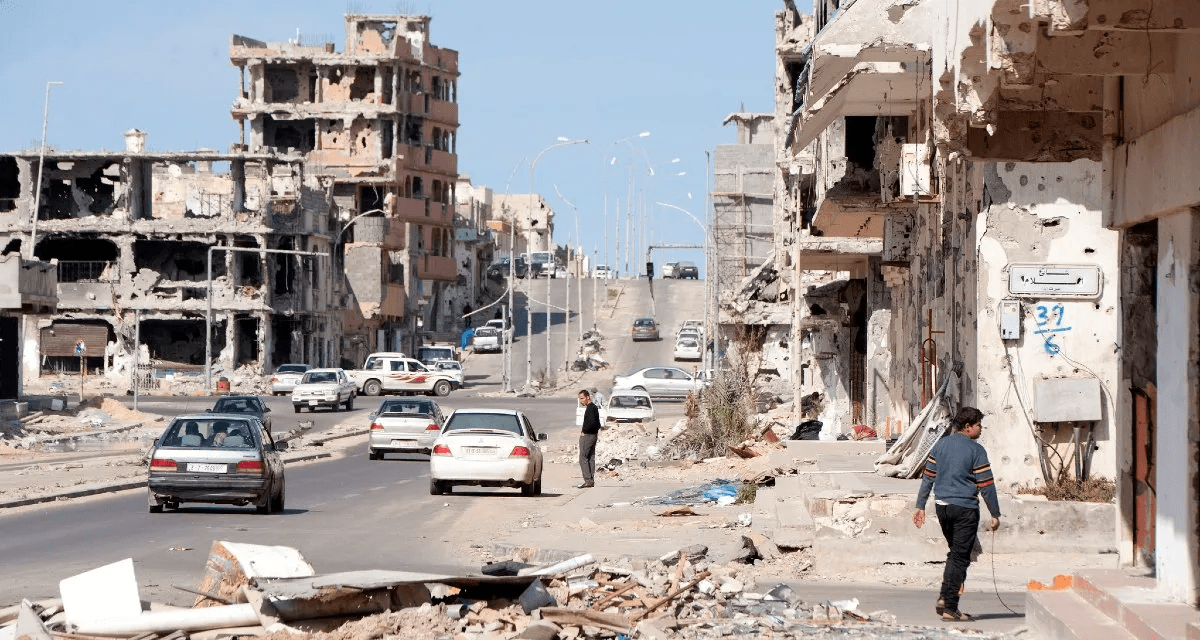
However, the first quarter of the twenty-first century has fundamentally shattered this illusion. From the sectarian slaughterhouses of post-invasion Iraq to the fragmented, militia-ruled wasteland of post-Gaddafi Libya, the United States has repeatedly demonstrated an unparalleled ability to win battles while losing wars. The military instrument has proven exceptionally efficient at breaking regimes, yet the national strategic apparatus has proven woefully inept at building the peace that is supposed to follow. In each case, the removal of the tyrant did not lead to the spontaneous emergence of Jeffersonian democracy or Westphalian stability. Instead, it unleashed a torrent of entropy—a durable disorder that proved far harder to contain than the original adversary.
 Mastermind Century Group