

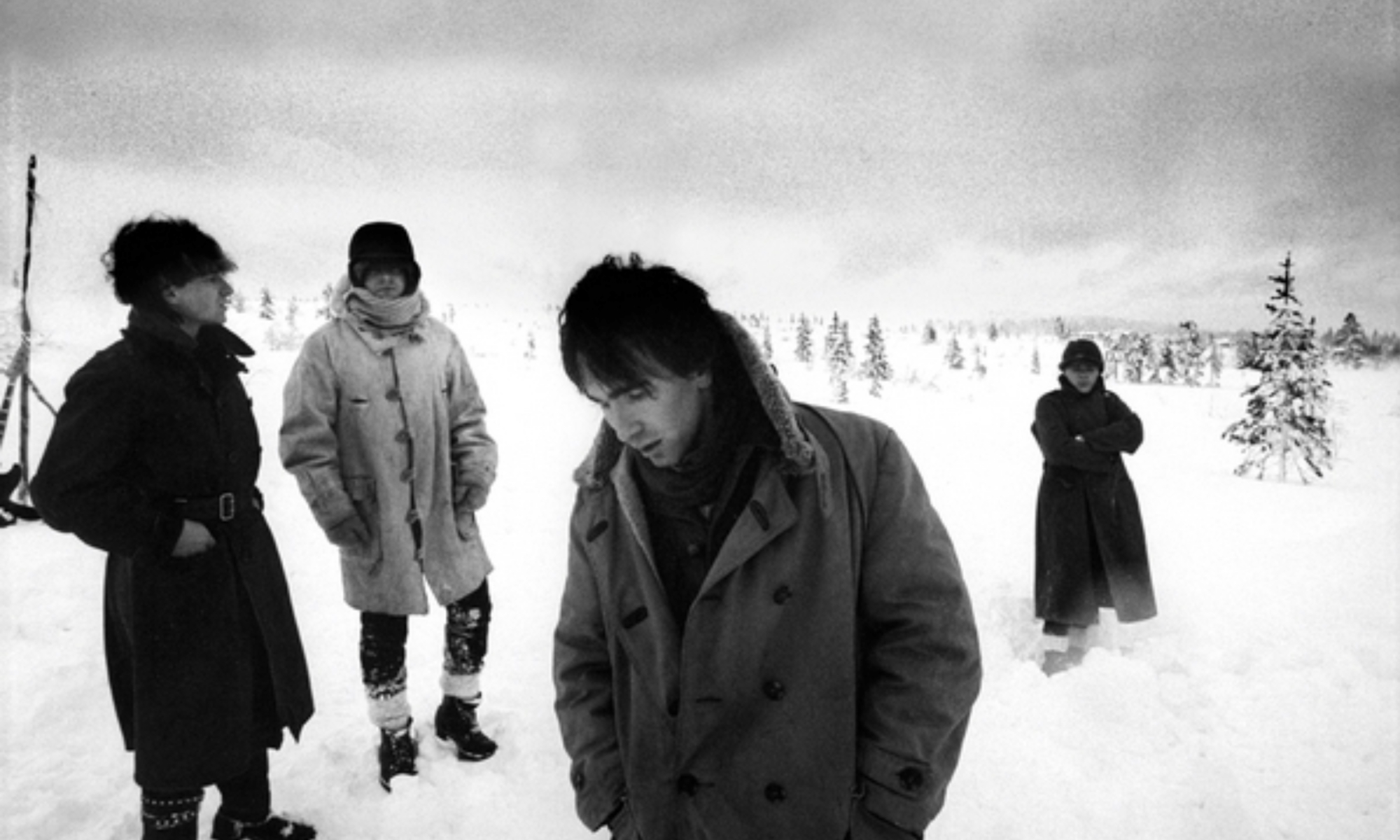
For years, I have posted this EVERY NEW YEAR’S–and I started thinking, does it mean anything new now? New Year’s Day has aged remarkably well precisely because it was never about a calendar flip. It was always about the tension between symbolic moments and structural reality—a problem leaders, strategists, and innovators are still wrestling with.
Every New Year’s Day, the same line surfaces, almost uninvited: nothing changes on New Year’s Day.
It doesn’t arrive as nostalgia…It arrives as recognition.
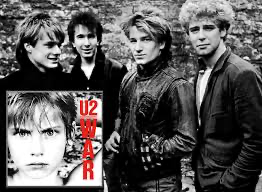
The phrase comes, of course, from New Year’s Day, released by U2 on their 1983 (a long, long time ago) album War. The song has now outlived the political moment that inspired it, the Cold War frame in which it was written, and even the MTV era that helped carry it into popular consciousness. Yet it persists—quietly, stubbornly—because it names a truth that leaders, strategists, and innovators encounter again and again: symbolic moments rarely produce real change.
That insight feels especially relevant at the turn of a year, when calendars reset, strategies are refreshed, and institutions declare renewal. The song endures not because it promises transformation, but because it refuses to lie about how transformation actually happens.
The Origin: A Song About Illusions, Not Dates
New Year’s Day began as something intimate—a love song from Bono to his wife—before being reshaped by events unfolding far beyond Ireland. The rise of the Polish Solidarity movement, the suppression of dissent, and the weight of Soviet power across Eastern Europe provided the deeper frame. Solidarity was not a sudden revolution; it was a slow, contested struggle marked by repression, persistence, and uncertainty. It did not succeed because of a single moment, speech, or declaration. It endured because people refused to stop beginning again.
That context matters. The song was written at a time when the Cold War was still frozen, literally and metaphorically. Borders were fixed. Power structures looked immovable. History did not seem to bend easily toward justice or freedom. Against that backdrop, the lyric “nothing changes on New Year’s Day” was not defeatist—it was honest.
The song’s genius lies in its restraint. It does not shout slogans. It does not promise victory. It simply acknowledges a reality that political movements, institutions, and relationships all share: change is rarely synchronized with our rituals.
The imagery reinforces this tension. A “world in white,” a “blood red sky,” crowds in black and white—visuals of contrast, stasis, and pressure. The music itself carries forward motion while the lyrics insist on stillness. That contradiction is the point.
Why It Still Matters: The Persistence of False Inflection Points
Four decades later, the world is no longer divided by the Iron Curtain, but it is still shaped by illusions of timing.
We remain deeply attracted to inflection points:
- new years
- new administrations
- new strategies
- new technologies
- new organizational charts
We treat these moments as if they possess causal power on their own. We assume that because something feels like a beginning, it must produce change.
But leaders with experience—whether in government, military institutions, corporations, or social movements—know the uncomfortable truth: nothing changes just because we say it should.
Organizations announce transformation while preserving the same incentive structures. Institutions speak of agility while maintaining layers of risk aversion. Strategies are unveiled without granting the authority or judgment required to execute them. Innovation initiatives proliferate while decision rights remain frozen.
In this sense, New Year’s Day remains painfully contemporary. The song is not about Poland in the 1980s; it is about systems that mistake symbolism for substance.
What makes the lyric endure is that it captures a universal failure mode: we confuse marking time with changing direction.
The Deeper Hope in the Song
Yet to hear only pessimism in the song is to miss its quiet defiance.
Threaded throughout is a different refrain: I will begin again.
That line matters more than the famous one. It reframes the song from resignation to resolve. If nothing changes automatically—if institutions resist, systems calcify, and power hardens—then agency must come from elsewhere. It must come from people who choose persistence over spectacle.
This is not the language of revolution-by-decree. It is the language of endurance.
The hope in New Year’s Day is not that the world will suddenly become just, rational, or humane. The hope is that individuals and small groups will continue to act as if change is still worth the effort, even when the structure says otherwise.
That is why the song speaks as clearly to leaders today as it did to dissidents four decades ago.
What It Means for Today’s Leaders
For leaders, the song is a cautionary mirror.
Leadership often begins with declarations: vision statements, priorities, roadmaps, strategic plans. These matter—but only insofar as they are backed by alignment between words, incentives, and authority. When they are not, they become rituals of reassurance rather than engines of change.
Nothing changes on New Year’s Day is a reminder that:
- culture does not shift because it is announced
- trust does not appear because it is requested
- judgment does not improve because it is demanded
What does change is behavior—slowly, unevenly, and often invisibly at first. Leaders who understand this stop chasing dramatic resets and start focusing on conditions: who decides, who bears risk, who is rewarded, and who is protected when things fail.
The song’s quiet wisdom pushes leaders away from performative renewal and toward something harder: consistency.
What It Means for Innovators
Innovators hear something slightly different in the lyric.
In an era obsessed with disruption, speed, and novelty, New Year’s Day offers an unfashionable truth: real innovation is rarely instantaneous. It is cumulative. It depends on trust, learning, and the willingness to try again after failure.
Innovation ecosystems collapse when they rely on spectacle—demo days, slogans, launch events—without addressing the deeper architecture of decision-making. They thrive when people are empowered to “begin again” without being punished for not succeeding immediately.
The song resists the myth of the breakthrough moment. It suggests instead that innovation emerges from persistence under constraint, not from calendar-driven optimism.
What It Means for Strategists
Strategists, perhaps more than anyone, should recognize themselves in this song.
Strategy lives in the gap between intention and reality. It is shaped by friction, inertia, and adversaries who refuse to behave as predicted. Grand strategies unveiled at symbolic moments often fail because they mistake intent for effect.
New Year’s Day reminds strategists that history does not reset. Constraints carry over. Incentives linger. Past decisions shape present options. The new year inherits the unfinished business of the old one.
And yet—strategy is still worth practicing. Because even if nothing changes overnight, orientation can shift. Judgment can sharpen. Small advantages can accumulate. Over time, those shifts matter enormously.
Beginning Again
So does anything change on New Year’s Day?
Probably not in the way we hope.
But that is not a reason for despair. It is a reason for seriousness.
The song endures because it tells the truth without abandoning hope. It insists that transformation is not granted by dates or declarations, but earned through persistence, judgment, and courage.
The calendar may not change the world.
But people still can.
And perhaps the most honest way to begin a new year is not with the illusion of a clean slate, but with a quieter commitment:
I will begin again.
 Mastermind Century Group