


One of the quiet killers of strategy—especially in large institutions—is the false comfort of the dichotomy.
Militaries are particularly prone to it. We divide the world into clean opposing bins:
Strategy vs. Operations, Kinetic vs. Non-Kinetic, Conventional vs. Irregular, Innovation vs. Discipline, Speed vs. Rigor. These binaries feel decisive. They give leaders the sense that clarity has been achieved and choices have been made.
But dichotomies don’t explain reality. They merely sort it.
A dichotomy freezes opposition. It asks, Which side are you on?
A dialectic animates opposition. It asks, What happens when these forces collide?
Strategy lives in the second question.
When Militaries Think Dialectically—and Win
Some of the most effective military adaptations emerged when leaders refused to choose between competing logics and instead forced them into productive tension.
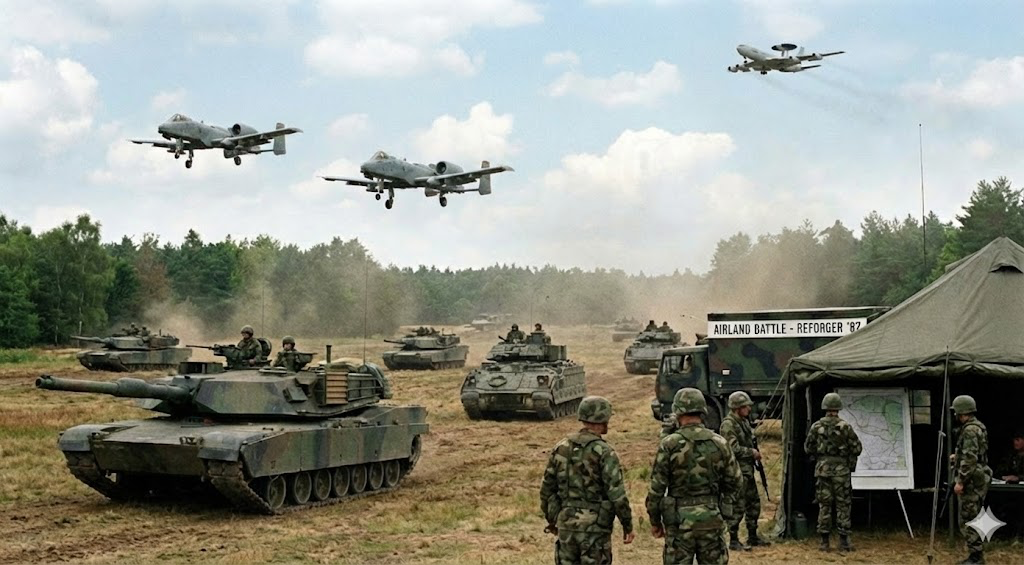
AirLand Battle in the 1980s is a classic example. Rather than choosing between deep strikes or close battle, the U.S. military fused them into a single operational concept. Depth and immediacy were not rivals; they were mutually reinforcing pressures. The result was a coherent theory of victory against a numerically superior adversary.
Similarly, the partial success of Counterinsurgency in Iraq (2006–2008) came only after abandoning the false choice between kinetic operations and population engagement. Security enabled governance; governance reduced the need for force. The strategy worked—not because one side “won,” but because the interaction between the two logics was finally understood.
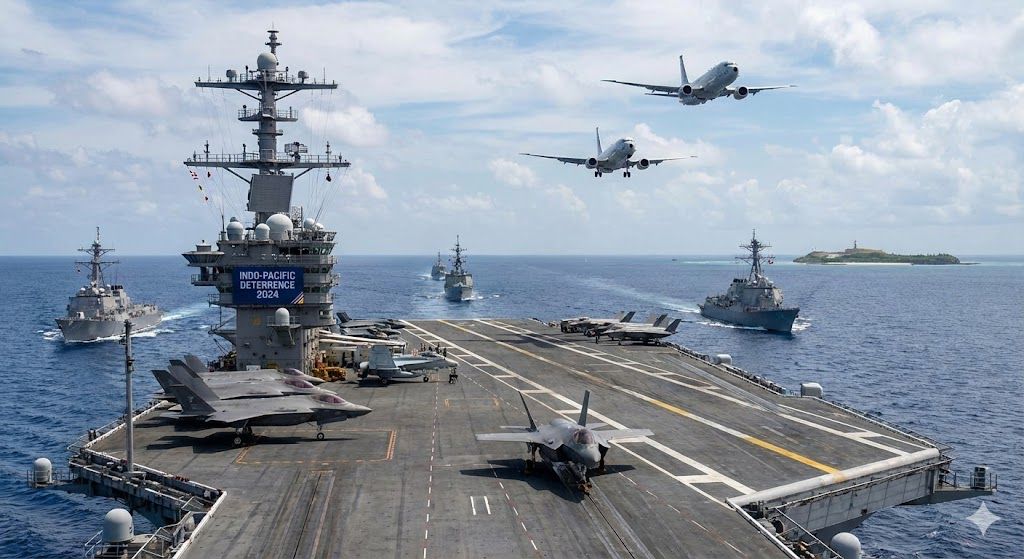
Today’s Indo-Pacific deterrence posture reflects the same insight. Forward presence and stand-off fires are no longer framed as alternatives. They exist in dialectical tension—visibility and vulnerability balanced by dispersion and reach.
In each case, strategy advanced not by resolving tension, but by orchestrating it.
When Dichotomies Calcify—and Strategy Breaks
Failure often follows when binaries harden into institutional dogma.
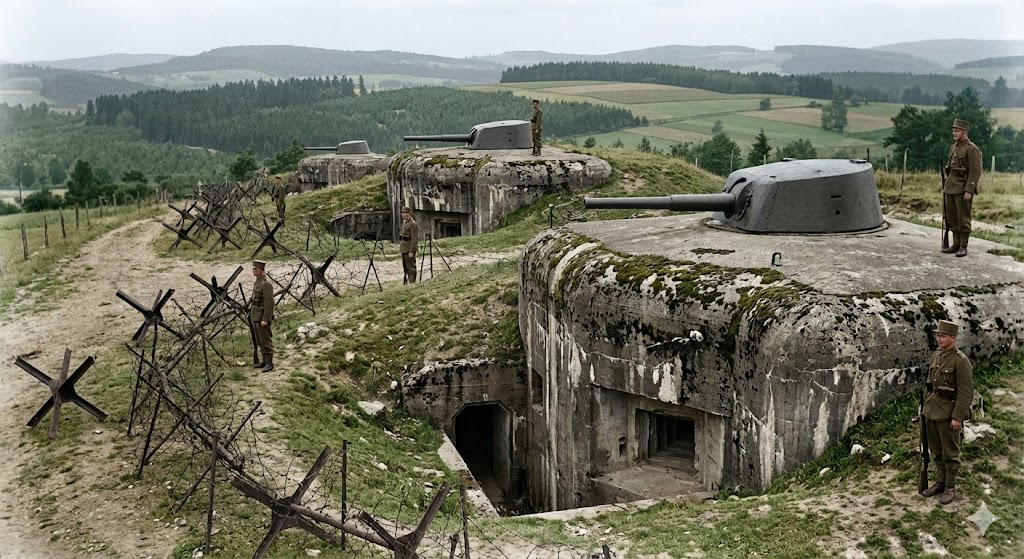
The Maginot Line was the physical manifestation of a dichotomy: static defense versus maneuver. French planners treated the categories as mutually exclusive. German doctrine bypassed the binary entirely by blending speed, airpower, armor, and command flexibility into a dynamic system.
In Vietnam, U.S. strategy fractured around “search and destroy” versus “clear and hold.” Attrition and population security were debated as alternatives rather than integrated as interdependent political-military effects. The result was not a failed tactic, but a failed framing of the problem.
The same pattern reappeared after 9/11, when counterterrorism and counterinsurgency were treated as rival schools rather than complementary tools. Raids and governance, drones and development, intelligence and legitimacy were siloed—organizationally and conceptually.
Dichotomies didn’t just limit options. They prevented learning.
The Strategic Implication
Dialectic thinking is uncomfortable. It resists premature closure. It forces leaders to sit with contradiction, uncertainty, and competing truths longer than most bureaucracies prefer.
But that discomfort is the price of real strategy.
The strategist who thinks in dichotomies manages categories.
The strategist who thinks dialectically shapes possibility.
In an era defined by gray war, cognitive conflict, and rapid technological disruption, the danger is not that we lack answers—it’s that we keep asking the wrong kind of questions.
Strategy does not require choosing between opposites.
It requires holding them in tension long enough for something smarter to emerge.
 Mastermind Century Group