
When Man Out of Time appeared on Elvis Costello’s 1982 album Imperial Bedroom, it emerged from a period of artistic intensity and personal volatility. Costello had spent the previous years burning through the British punk and new-wave scenes with a kind of furious intelligence—brilliant, prolific, and combustible. His early reputation for biting cynicism and lyrical sharpness had already …
Entropy in the Department of War: Boyd, Bureaucracy, and the Drift of American Power: DeMarco Banter
John Boyd’s Destruction and Creation is one of those slim essays that, once read, refuses to leave the bloodstream. Written in 1976, in the shadow of Vietnam and the twilight of American confidence, it is at once a meditation on cognition and a blueprint for strategy. Boyd insists that orientation—our ability to interpret and act in a …
Tom Sawyer on the Cognitive Frontier: Awakening in the Age of the Eminence Front: DeMarco Banter
The opening snare roll of Tom Sawyer is a call to consciousness. It’s more than a song—it’s a declaration of mental independence, a drumbeat against conformity. When Rush released it in 1981, Neil Peart’s lyrics described a “modern-day warrior” whose “mind is not for rent to any god or government.” It was a line of defiance in …
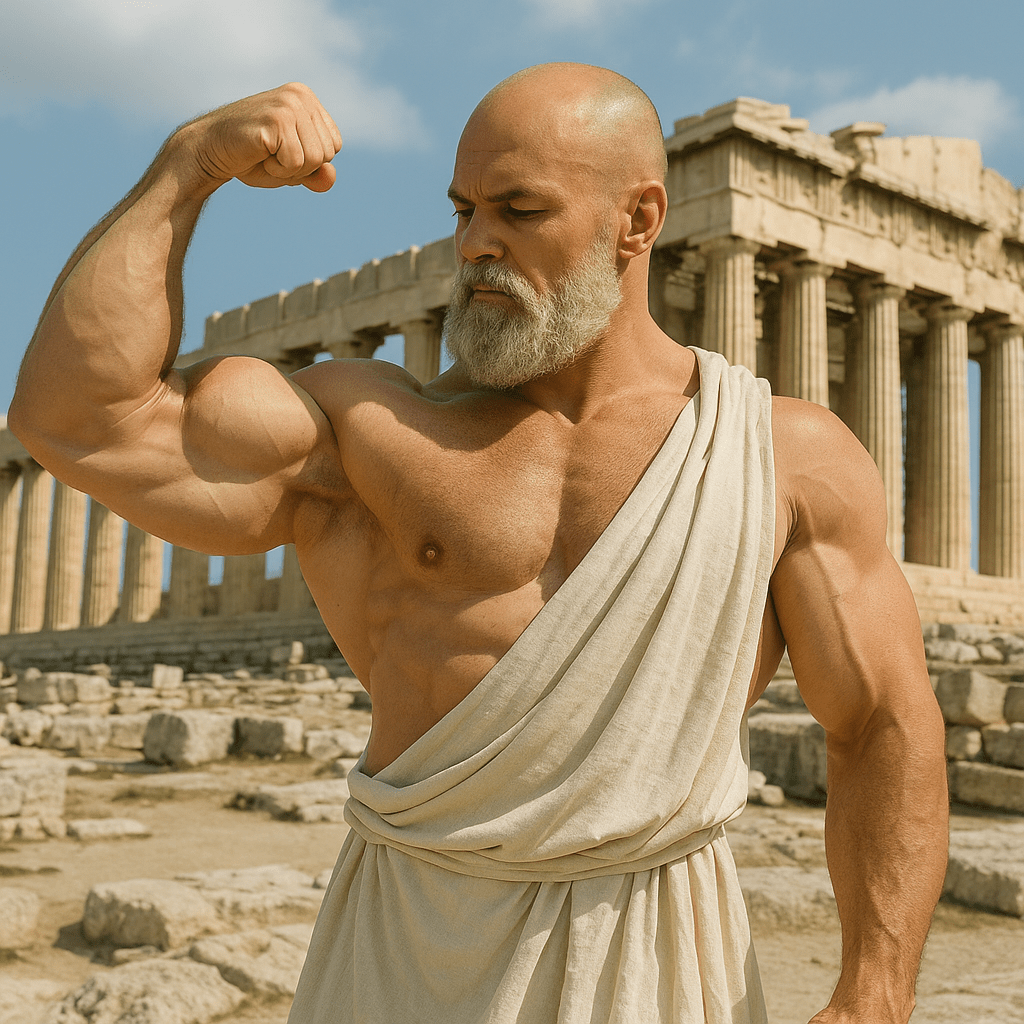
Survival of the Fittest: Strength, Cunning, Brains, and Ethics at the Edge of National Security and Personal Life: DeMarco Banter
We often hear Darwin’s phrase “survival of the fittest” invoked as if it were a hymn to brute strength. In boardrooms and briefing rooms alike, people nod gravely as if the secret to endurance lies in the sharpest claws, the biggest armies, or the loudest voices. Yet Darwin himself meant nothing of the sort. “Fitness” …