

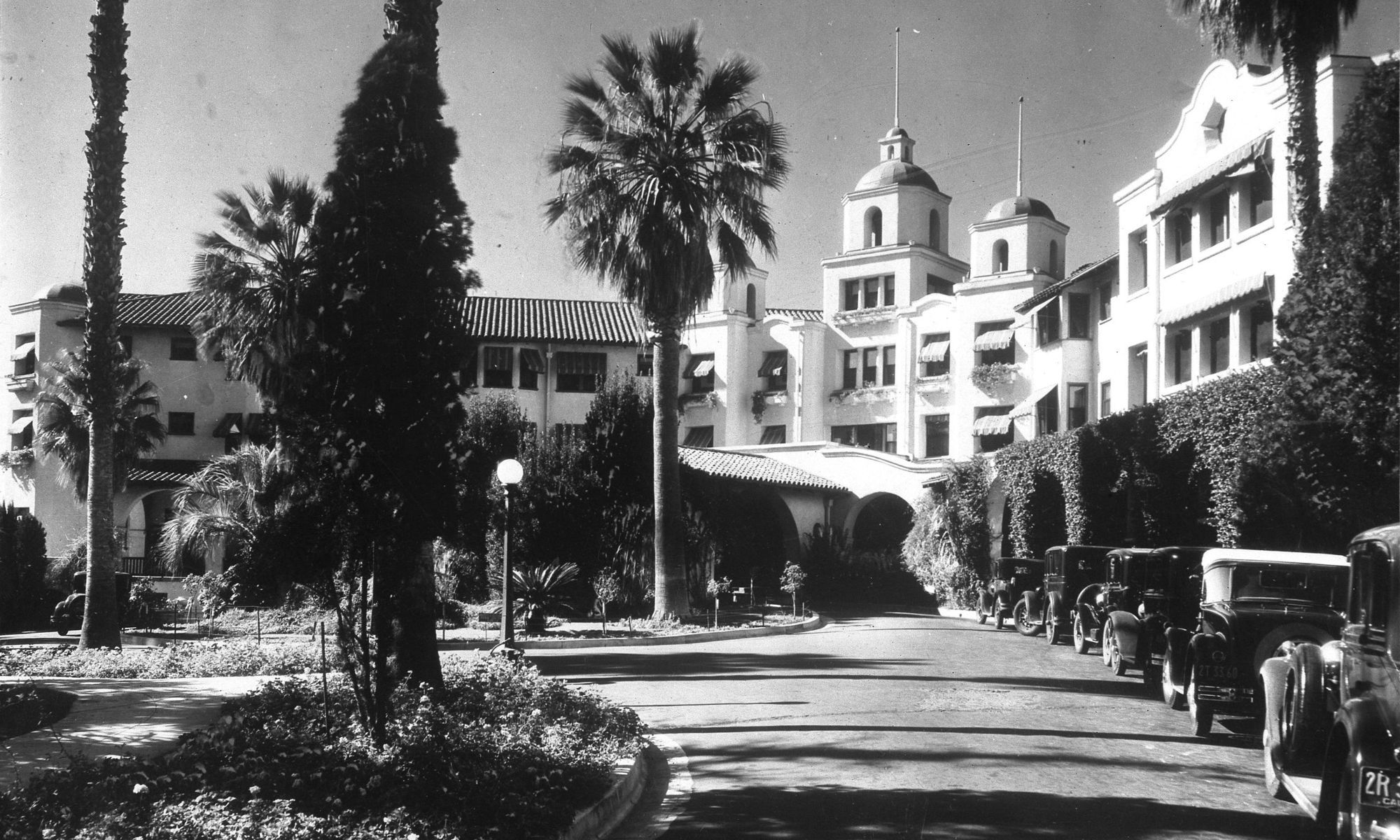
The Comfort of “Good Enough”
There’s a peculiar danger that stalks successful organizations, leaders, and even artists: the trap of “good enough.” When the metrics look solid, when the crowd is clapping, when the machine is humming along smoothly, the temptation is to keep things as they are. Why rock the boat? Why introduce turbulence when the wind is steady? Yet history—whether in business, strategy, or music—teaches us that “good enough” often becomes a prelude to irrelevance.
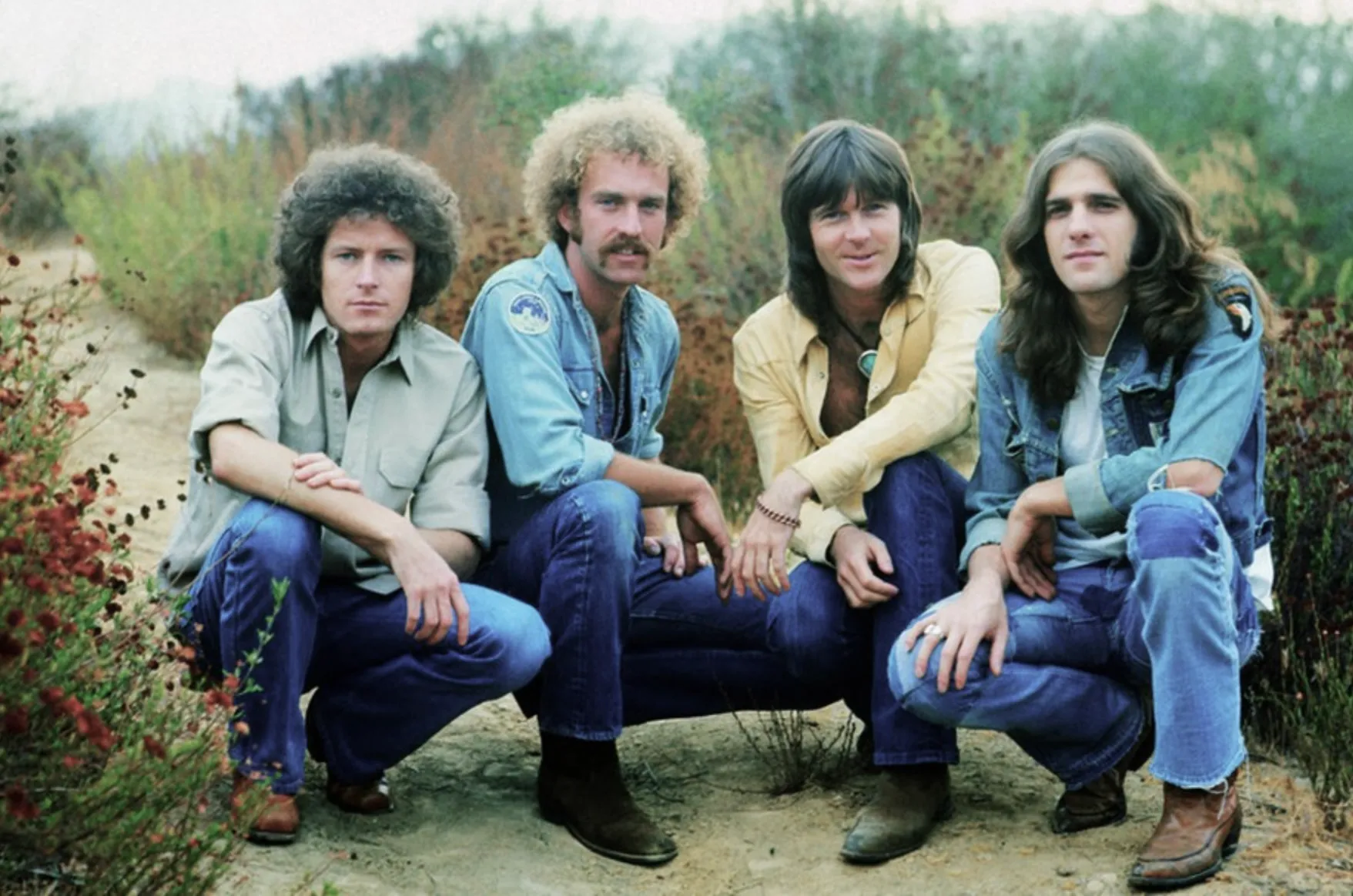
Eagles faced precisely this moment in the mid-1970s. They were already one of America’s most popular bands, riding a wave of radio hits like “Take It Easy,” “Best of My Love,” and “One of These Nights.” They had found a formula that worked: an artful blend of country, rock, and polished vocal harmonies. But there was a lingering question: were they merely good—or were they great?
The answer came with Hotel California in 1976, an album that not only redefined Eagles’ sound but also secured their place among the greats of rock history. And the catalyst for that leap was change: the decision to bring in Joe Walsh.
A Strategic Pivot: From Country-Rock to Arena-Rock
Eagles’ early albums positioned them as pioneers of the California country-rock sound. They captured a mood of wide-open highways, desert sunsets, and restless dreams. It was authentic, beautiful—and by the mid-1970s, perhaps too comfortable. The band sensed that the cultural tides were shifting. Rock was becoming louder, edgier, more electric. Audiences wanted not just harmony but heat.
Enter Joe Walsh. His guitar work, honed with the James Gang and in solo projects, carried an aggressive, blues-based bite. He wasn’t smooth; he was raw. He wasn’t polished; he was unpredictable. Bringing him into the band meant risking Eagles’ established identity. But it also meant injecting new energy, new texture, and new life into a sound that risked going stale.
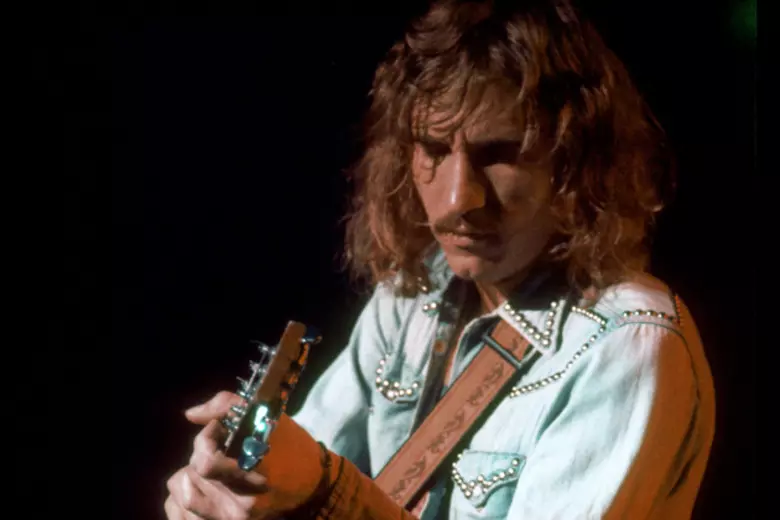
This was more than a personnel move—it was a strategic pivot. Eagles chose to sacrifice a piece of what made them comfortable in order to reach for something transcendent. They didn’t abandon their harmonies or songwriting craft, but they layered it with a harder, darker edge. Walsh’s entry was a recognition that if they wanted to make the leap from “radio favorites” to “rock legends,” they couldn’t just polish the old formula. They needed to disrupt it.
Hotel California: The Payoff of Change
The results spoke for themselves. Hotel California became a defining rock album of the 1970s, winning the Grammy for Record of the Year and selling over 32 million copies worldwide. The title track—with its haunting lyrics, rich metaphors, and one of the most famous guitar duels ever recorded between Walsh and Don Felder—has become an anthem.
But what made Hotel California more than just commercially successful was its thematic depth. The album was about excess, disillusionment, and the dark underbelly of success—topics that mirrored Eagles’ own experience of fame and the broader American mood of the late 1970s. Songs like “Life in the Fast Lane” (built around Walsh’s riff) and “Wasted Time” revealed a band willing to confront complexity, not just chase radio hooks.

In hindsight, it’s clear: without Walsh, without that willingness to evolve, Hotel California would not exist as we know it. Eagles might still have been remembered fondly, but not canonized. They would have remained good. Instead, they chose great.
Lessons in Leadership and Strategy
Eagles’ transformation offers a set of lessons that extend far beyond music. Organizations, leaders, and even nations face moments when the choice is not between good and bad, but between good and great. And those moments are often the hardest to recognize, because the surface indicators look positive.
- Change is hardest when you don’t “need” it.
It’s easier to pivot in crisis, when failure forces the issue. It’s harder to pivot in comfort, when the rewards of the status quo are still flowing. Eagles risked alienating fans, disrupting their chemistry, and sabotaging a winning streak. But they understood that the bigger risk was stagnation. - Strategic pivots require sacrifice.
Bringing in Walsh meant letting go of Bernie Leadon, whose contributions had been central to the band’s identity. In organizations, real change often means letting go of practices, processes, or even people who no longer fit the future trajectory. That takes courage and discipline. - Greatness demands discomfort.
Walsh was not a natural fit for Eagles’ polished harmony machine. He was messy, loud, sometimes chaotic. But precisely that friction generated the creative spark that elevated the band’s sound. In leadership, it is often the uncomfortable voice, the disruptive hire, or the unsettling idea that unlocks the leap forward. - Timing is everything.
Eagles didn’t bring in Walsh at the beginning, when they were still establishing their identity. Nor did they wait until they were irrelevant. They chose the inflection point—when they were already successful but sensed the curve bending downward. Effective leaders must recognize those moments when “good enough” will no longer carry the day.
The Discipline of Change
The story also underscores a less glamorous truth: change is not just inspiration, it is discipline. It takes time, thought, and intentional design. Eagles didn’t simply hand Walsh a guitar and hope for magic. They worked at integrating his sound, balancing his harder edges with their harmonies, and crafting songs that allowed both the old and the new to coexist.
This is the essence of strategic change. It is not about burning everything down or endlessly chasing novelty. It is about discerning what must remain, what must evolve, and what must be discarded. It is about having the patience to refine and the courage to risk.
Beyond Eagles: Why This Matters Today
Whether in business, education, the military, or personal leadership, the same principle holds: the move from good to great requires change. And change is costly. It asks us to leave behind comfort, to endure the turbulence of transition, and to embrace voices or approaches that may at first feel alien.
Too often, we settle. We convince ourselves that “good” is sustainable, that the applause of the present will echo into the future. But history is littered with organizations, movements, and leaders who mistook stability for longevity.
Eagles remind us that greatness is forged in the willingness to tweak, to adjust, to invite disruption—even at the peak of success.
In The End: Learning from Hotel California
There is a reason Hotel California endures, nearly fifty years later. It is not just the melodies or the lyrics, but the story behind it: a band that could have coasted but chose to climb. They understood that when it is time for a change, it is time to change—before circumstances force your hand.
We face similar crossroads in our own work and lives. The applause of “good” can lull us into complacency, but the call of “great” whispers beneath the noise. The choice is ours: to remain comfortable or to risk transformation.
Eagles chose change, and the result was immortality.
 Mastermind Century Group