

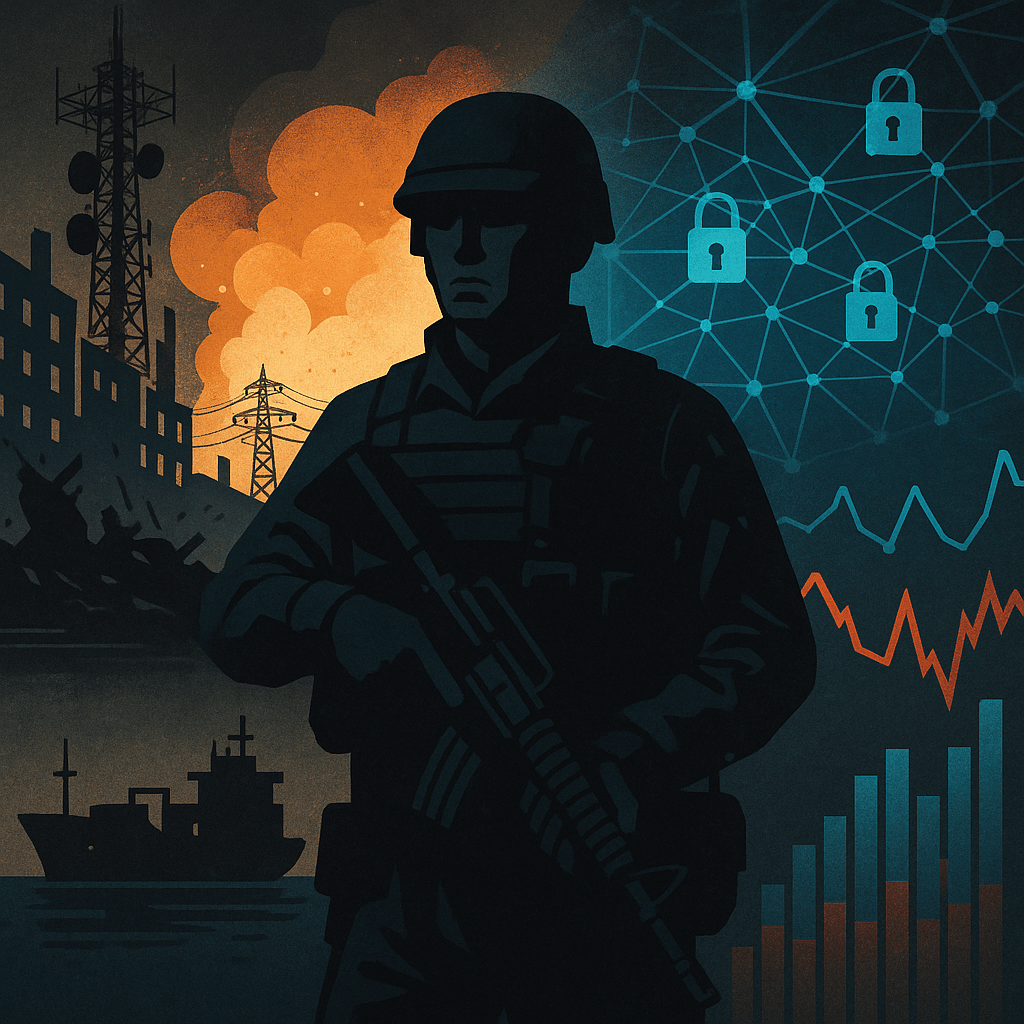
The Obsolescence of Decisive Battle
The strategic logic of the 20th century rested on a singular premise: wars are decided on the battlefield. The state that destroyed its opponent’s armed forces dictated political outcomes. Clausewitz’s dictum—that war is “an act of force to compel our enemy to do our will”—framed the entire modern era of industrial conflict, from Verdun to Stalingrad to Desert Storm. Firepower and maneuver, concentrated at decisive points, served as the arbiter of history.
That paradigm is now unraveling. The character of conflict is shifting from attrition to paralysis. Victory is less about annihilating divisions or sinking fleets than about collapsing the very systems upon which those militaries depend. In this new era, armies, navies, and air forces risk becoming stranded assets: impressive in potential, irrelevant in practice, because the states that field them are no longer functioning as coherent political or economic entities.
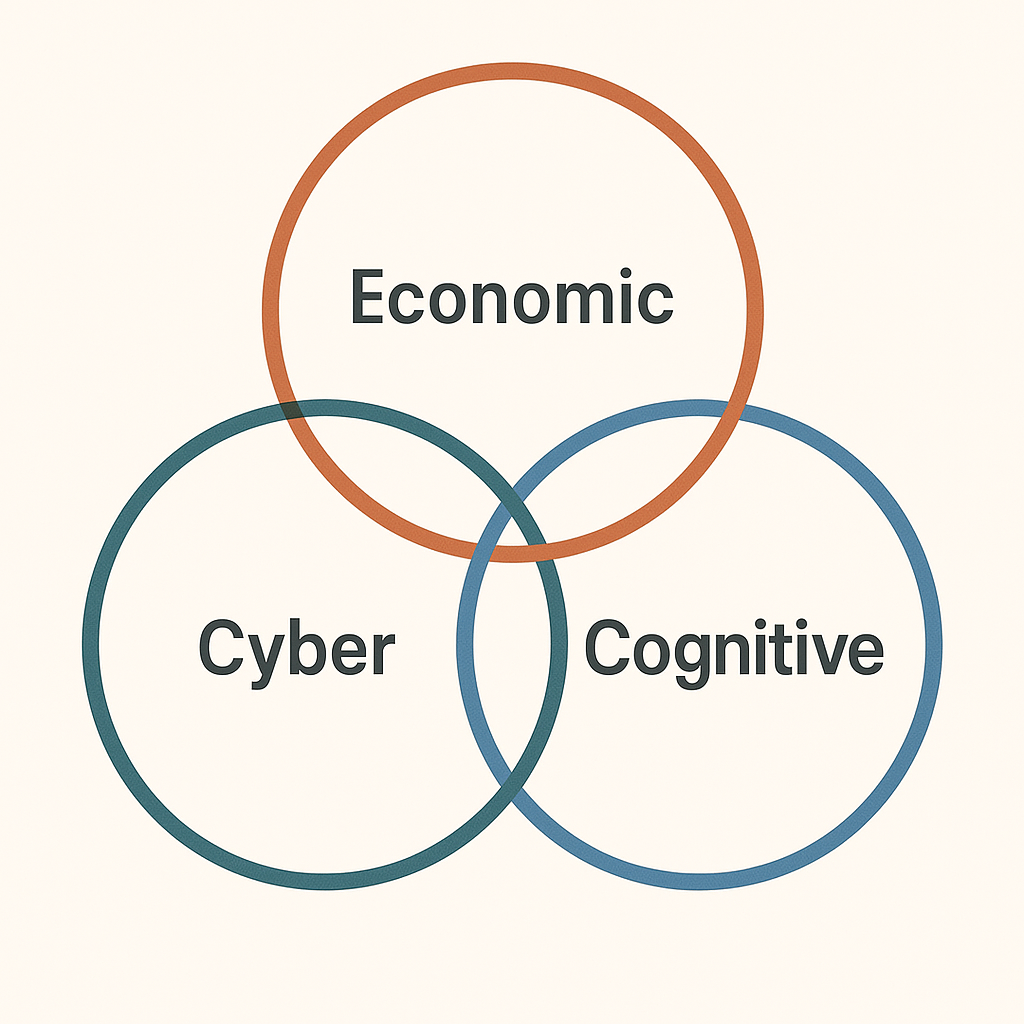
The traditional model of military power is giving way to a “New Triad” of conflict: economic coercion, cyber disruption, and cognitive warfare. Russian and Chinese doctrine provides blueprints for this form of non-kinetic war, while case studies such as Stuxnet, Ukraine’s power grid, and the Colonial Pipeline demonstrate the paradigm in action. The implications are profound: the boundaries between combatant and civilian are blurring, the roles of offense and defense are increasingly privatized, and resilience and victory must be redefined for the 21st century.
Part I: The Diminishing Utility of Traditional Military Power
The Old Model of Combat Power
For centuries, the power of a state rested on its capacity for organized violence. Militaries measured strength by divisions raised, fleets deployed, aircraft fielded. Modern doctrine formalized this into the concept of combat power—the combination of maneuver, firepower, protection, and leadership operationalized through warfighting functions like intelligence, logistics, and command.
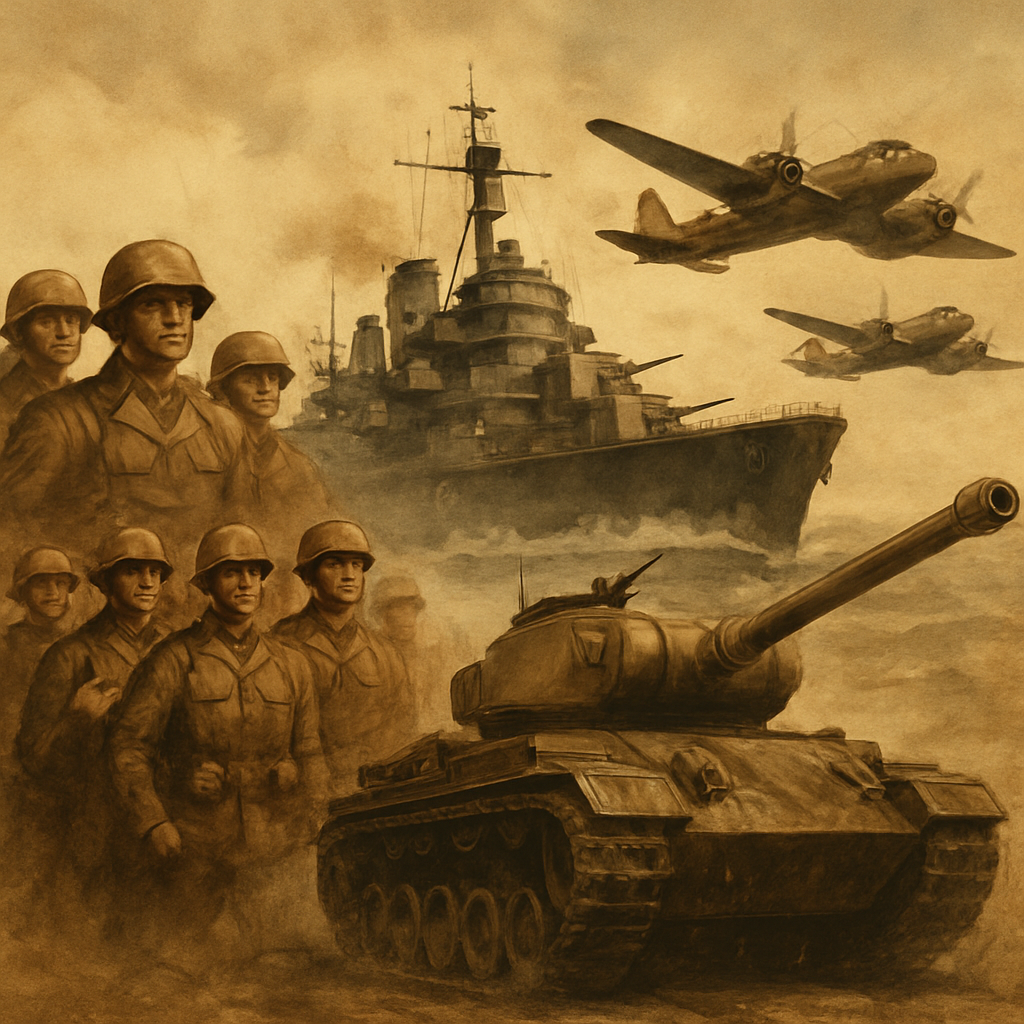
This enterprise was underwritten by national capacity: the size of the force, its technological sophistication, and its readiness to deploy. The entire system rested on industrial bases, training pipelines, forward-deployed forces, and a robust network of alliances. In this model, armies were instruments of decisive battle, the means by which wars were fought and settled.
The Strategic Bypass
But the model is increasingly bypassed. The wars of the 21st century need not involve the clash of armies at all. Instead, adversaries can target the foundational systems upon which combat power rests: supply chains, financial flows, energy grids, and the shared cognitive reality of societies. If these collapse, the military—however advanced—becomes irrelevant.
The linear logic of the past, where industrial strength produced combat power that delivered battlefield victory, is inverted. The new paradigm collapses the industrial and societal base first, leaving the military unable to move, supply, or command itself.
This forces a profound redefinition of power: from the ability to destroy, to the ability to disrupt, paralyze, and control.
Part II: The New Triad of Strategic Coercion
The new battlespace is not land, sea, or air, but systems. Three interlocking fronts—the economic, the cyber, and the cognitive—form a triad of coercion that defines 21st-century conflict.
2.1 The Economic Front: Weaponized Interdependence
Globalization promised efficiency, but it also produced fragility. Just-in-time supply chains, lean inventories, and concentrated chokepoints created a world where disruption in one node cascades globally.
Adversaries now exploit this fragility deliberately. Rare earth minerals, semiconductors, and critical metals become leverage points in geopolitical confrontation. Maritime chokepoints like the Strait of Malacca or Suez Canal, once commercial arteries, are potential weapons of coercion. Non-state actors, like Houthis targeting Red Sea shipping, show how even small groups can cause systemic global impact.
The result is a weaponization of interdependence. Nations increasingly shift from “cheapest provider” sourcing to “trusted partner” sourcing, leading to “friend-shoring” and fragmented economic blocs. This shift, while seeking resilience, paradoxically accelerates the very fragmentation and instability that make economic conflict more likely.
2.2 The Cyber Front: Paralyzing the National Backbone
The convergence of information technology (IT) with operational technology (OT) has produced a single, vast attack surface. Critical infrastructure—power, water, transport, finance—depends on interconnected digital systems. Once isolated, these are now linked to corporate networks, the internet, and cloud services.
Attackers do not always need to master the deepest industrial systems. Often, paralyzing the IT layer forces operators to shut down physical processes out of caution. This “forced hand” shutdown was the mechanism in the Colonial Pipeline attack: ransomware on billing systems forced operators to halt the physical pipeline.
The asymmetry is profound. A single hacker with the right exploit can cause disruption once possible only through bombing campaigns. The result is the democratization of strategic disruption: smaller states and even criminal groups wield superpower-level effects.
2.3 The Cognitive Front: Subverting Reality
The most insidious battlefield is the mind. Propaganda has become weaponized at scale, powered by AI-driven disinformation, deepfakes, and algorithmic amplification.

Here the goal is not persuasion but pollution. By flooding the information environment with contradictions, fabrications, and falsehoods, adversaries erode trust itself. Citizens lose faith in governments, media, and even their own perceptions. This “liar’s dividend” produces paralysis: if nothing is trustworthy, decision-making collapses.
Democracies are uniquely vulnerable, as openness itself becomes the attack vector. Authoritarian regimes, controlling their internal narratives, are insulated while exploiting the transparency of open societies.
Part III: Doctrines of Controlled Chaos and Winning Without Fighting
Russia: Controlled Chaos
Russian strategic thought blurs war and peace. The so-called “Gerasimov Doctrine,” more accurately a Western shorthand for evolving Russian practice, places information operations at the center.
War begins with covert information campaigns, cultivated proxies, and social destabilization. Conventional forces play supporting roles: intimidation, limited incursions, or platforms for cyber and special operations. Proxies like the Wagner Group provide deniability, while economic levers—such as gas cutoffs—add pressure.
The aim is not conquest but chaos: states fractured, unstable, and incapable of integrating with Western rivals. Sovereignty itself is attacked—monopolies on violence are eroded, political processes manipulated, territories fragmented into puppet regimes.
China: The Three Warfares
China codifies its approach in the Three Warfares: public opinion warfare, psychological warfare, and legal warfare.
- Public Opinion Warfare spreads Beijing’s narrative through media, censorship, and influence operations.
- Psychological Warfare intimidates adversaries with constant pressure, from air patrols near Taiwan to demonstrations in the South China Sea.
- Legal Warfare (Lawfare) manipulates domestic and international legal frameworks to legitimize China’s moves while paralyzing opponents’ responses.
Together, they seek victory without fighting. By the time the world debates legality, China has already changed the facts on the ground—building islands, isolating Taiwan, or rewriting maritime norms.
Part IV: Case Studies in Paralysis
Stuxnet (2007–2010)
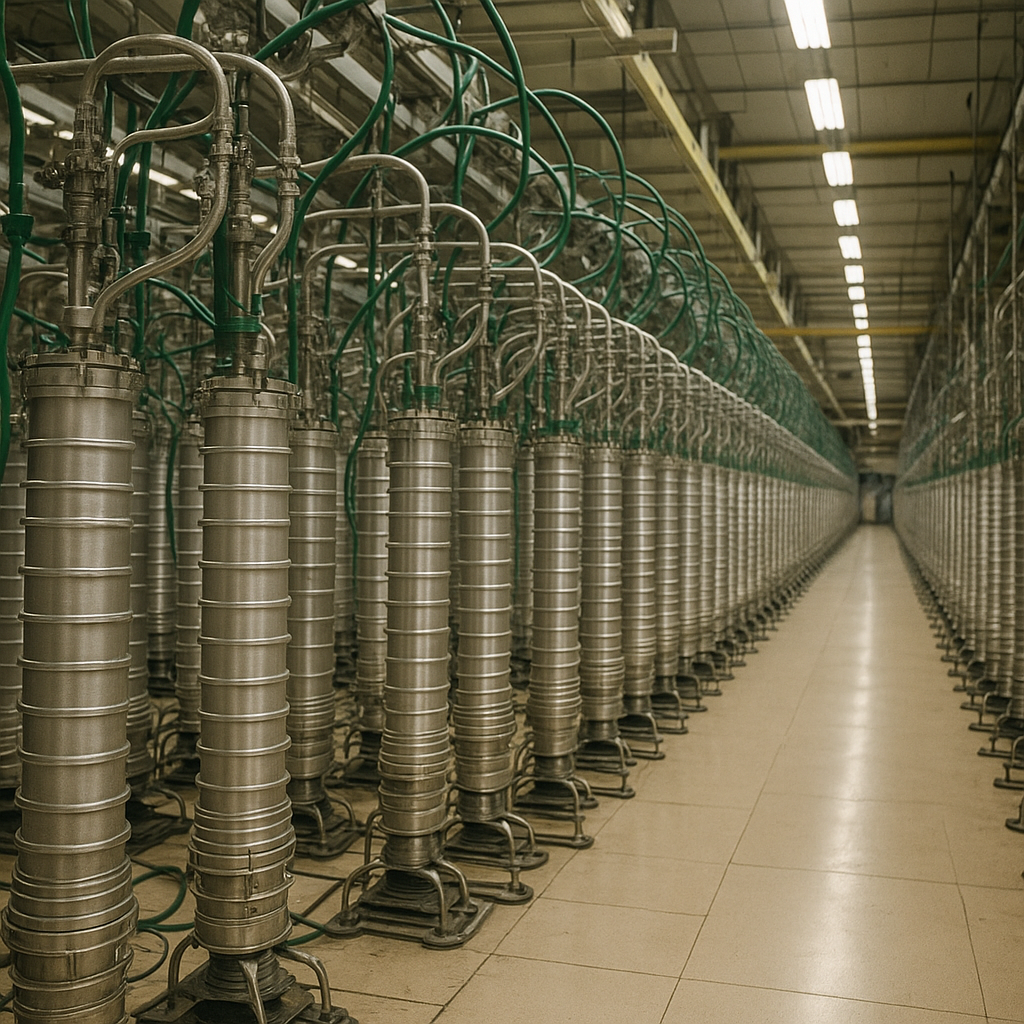
Stuxnet was the first digital weapon to cause physical destruction. By manipulating Siemens PLCs, it ruined Iranian nuclear centrifuges at Natanz. The attack, requiring the resources of a nation-state, proved malware could achieve what once required an airstrike.
Ukraine Power Grid (2015)
Russian hackers infiltrated Ukrainian utilities, cutting power to 230,000 people. Using stolen credentials, they shut down substations, jammed call centers, and destroyed systems with KillDisk malware. It was the first confirmed cyber-induced blackout and a vivid proof-of-concept for cyber-triggered societal paralysis.
Colonial Pipeline (2021)
DarkSide ransomware shut down the pipeline supplying half the U.S. East Coast’s fuel. The attackers never touched the operational controls; encrypting IT billing systems forced operators to halt physical flows. Panic buying, shortages, and economic disruption followed. A single compromised password cascaded into national paralysis.
Together these cases trace a trajectory: from bespoke nation-state tools (Stuxnet), to coordinated state campaigns (Ukraine), to commodified criminal exploits (Colonial Pipeline). The barrier to entry for paralysis is plummeting.
Part V: Blurred Lines—Proxies, Civilians, and the Privatization of War
The new era collapses distinctions between state and non-state, military and civilian.
Russia employs Private Military Companies (PMC) like Wagner offensively. The West, by contrast, relies defensively on private infrastructure operators and tech companies to protect critical systems. This creates dangerous asymmetry: one side uses privatization to attack, the other to defend.
It also raises legal dilemmas. If private-sector employees actively defend national networks during conflict, are they civilians or combatants? International humanitarian law offers no clear answer. Adversaries may exploit this ambiguity, targeting civilian infrastructure or staff as legitimate combatants.
War has always blurred lines, but in this age of systemic paralysis, everyone is on the front line—from coders at Microsoft patching exploits to port workers moving critical minerals.
In The End: Redefining Victory
The evidence is stark: paralysis is the new victory. Traditional military power remains necessary but no longer sufficient. Armies, fleets, and air forces cannot protect societies whose economies, networks, and narratives are collapsing from within.
Victory in this century is defined not by battlefield triumphs but by the collapse of systems: blackouts, broken supply chains, poisoned information environments, shattered trust. The state that can impose such paralysis achieves its aims without decisive battle.
To navigate this future, strategy must shift. Resilience—not just military primacy—must be the cornerstone. Infrastructure must be hardened, supply chains secured, and societies inoculated against cognitive manipulation. Doctrines must integrate non-kinetic defense and offense across economic, cyber, and cognitive fronts. International law must evolve to clarify blurred boundaries.
Above all, nations must recognize that the real contest is not for territory but for coherence. The victor is the actor who can keep its society functioning when attacked, while rendering its opponent incapable of doing so. In this architecture of 21st-century conflict, paralysis is not defeat’s byproduct—it is the very definition of victory.
 Mastermind Century Group