
The Song as Prophecy Leonard Cohen’s “Everybody Knows” first appeared in 1988, yet it sounds like it was written yesterday. Its refrain—everybody knows—is a haunting chorus of resignation, a recognition that corruption, betrayal, and decay are not hidden but openly visible. We live in an age of unprecedented transparency: livestreamed wars, financial scandals dissected in …
The Hammer and the Horizon: Nietzsche’s Challenge to Leadership in an Age of Revaluation: DeMarco Banter
1. Nietzsche’s Enduring Challenge to Conventional Leadership Paradigms Few thinkers unsettle as profoundly as Friedrich Nietzsche. His writings on morality, truth, and meaning strike at the roots of Western culture, exposing what he saw as its life-denying foundations. He argued that conventional values—humility, obedience, piety—emerged not from vitality or strength but from what he called slave morality: the …
The Dialectic of Deception: John Boyd and the Cognitive Battlefield: WOTR
What NATO calls “cognitive warfare” is not simply information operations rebranded. It transcends land, sea, air, space, and even cyberspace. Its purpose is not to control what people know, but to shape how they know it, altering the orientation process that underpins judgment and action. Russia and China treat this as a primary instrument of power: a way to fragment societies and achieve …
Continue reading "The Dialectic of Deception: John Boyd and the Cognitive Battlefield: WOTR"
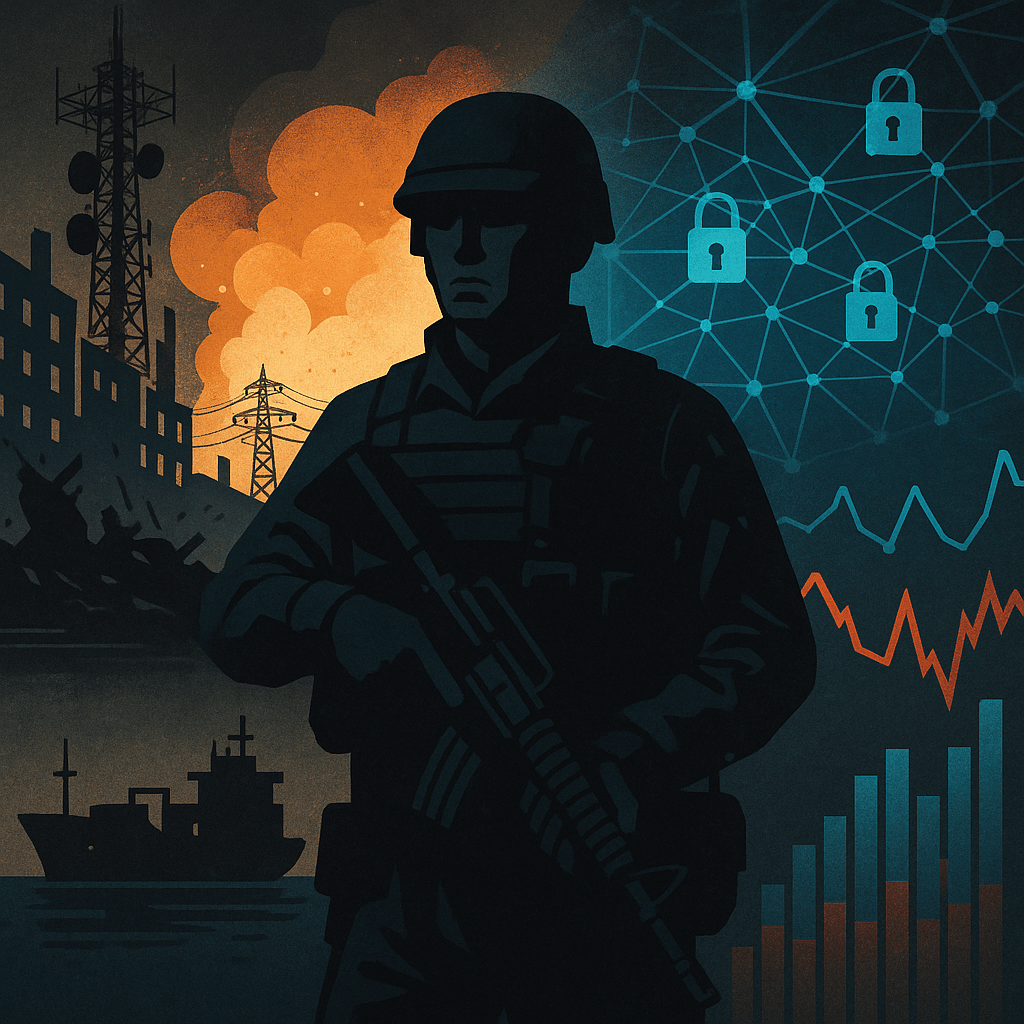
Paralysis as Victory: The Architecture of 21st Century Conflict: DeMarco Banter
The Obsolescence of Decisive Battle The strategic logic of the 20th century rested on a singular premise: wars are decided on the battlefield. The state that destroyed its opponent’s armed forces dictated political outcomes. Clausewitz’s dictum—that war is “an act of force to compel our enemy to do our will”—framed the entire modern era of …
Continue reading "Paralysis as Victory: The Architecture of 21st Century Conflict: DeMarco Banter"