

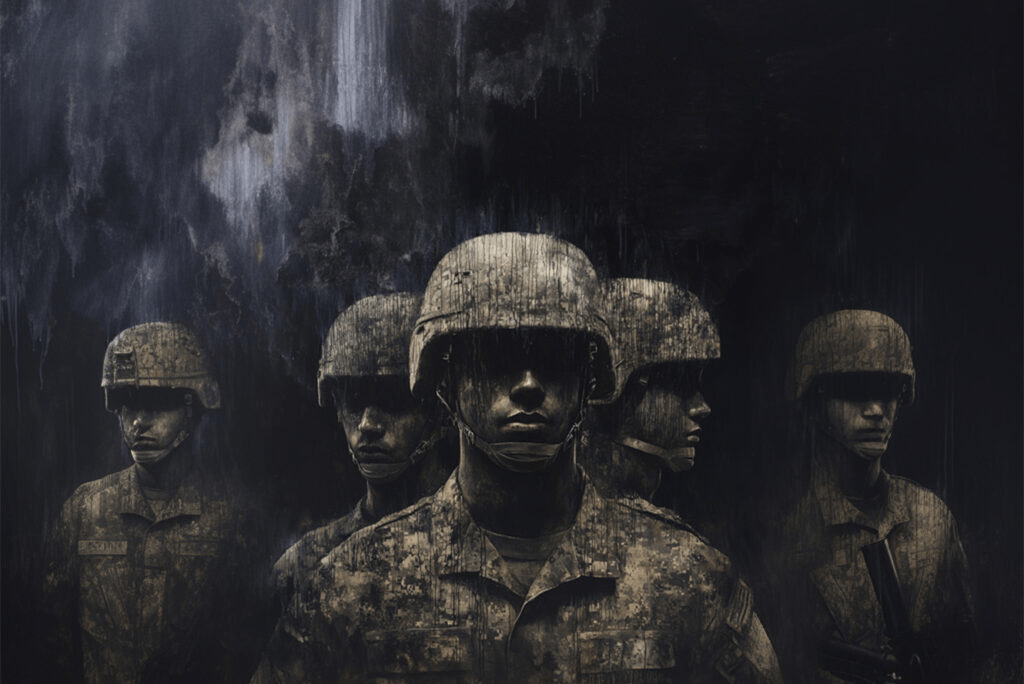
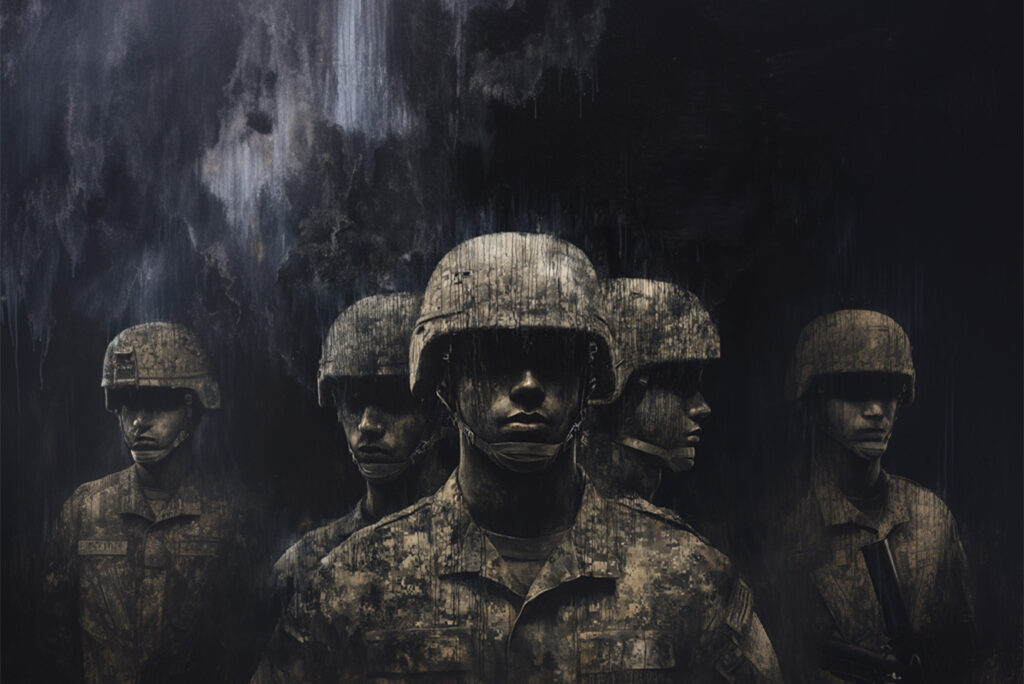
Grateful to the War on the Rocks team for publishing my piece on leadership development and the critical role of crucibles. You can read the opening below—and check out the full article on their site. A follow-up podcast conversation is coming soon. Stay tuned.
A few years ago, a young U.S. military officer asked me a pointed question: “Do you think we’re getting too soft?” I paused, not because I didn’t have an answer, but because I knew the weight behind his words. My answer was yes. The U.S. military has overcorrected. Across talent management systems, performance evaluations, and even professional military education, it has embraced a well-intentioned shift toward empathetic leadership and psychological safety — seen in trends like inflated evaluations, universal academic passing standards, structured self-examination, and 360-degree feedback models that prioritize harmony over critique. Professional military education, in particular, has long wrestled with these challenges, often criticized for valuing credentialing over intellectual rigor. The recent cultural shift didn’t cause this problem, but it may have hardened it — removing friction from the learning environment and replacing it with comfort. In the process, the military has sidelined one of its most essential developmental forces: the crucible.
READ ON: HERE
 Mastermind Century Group