

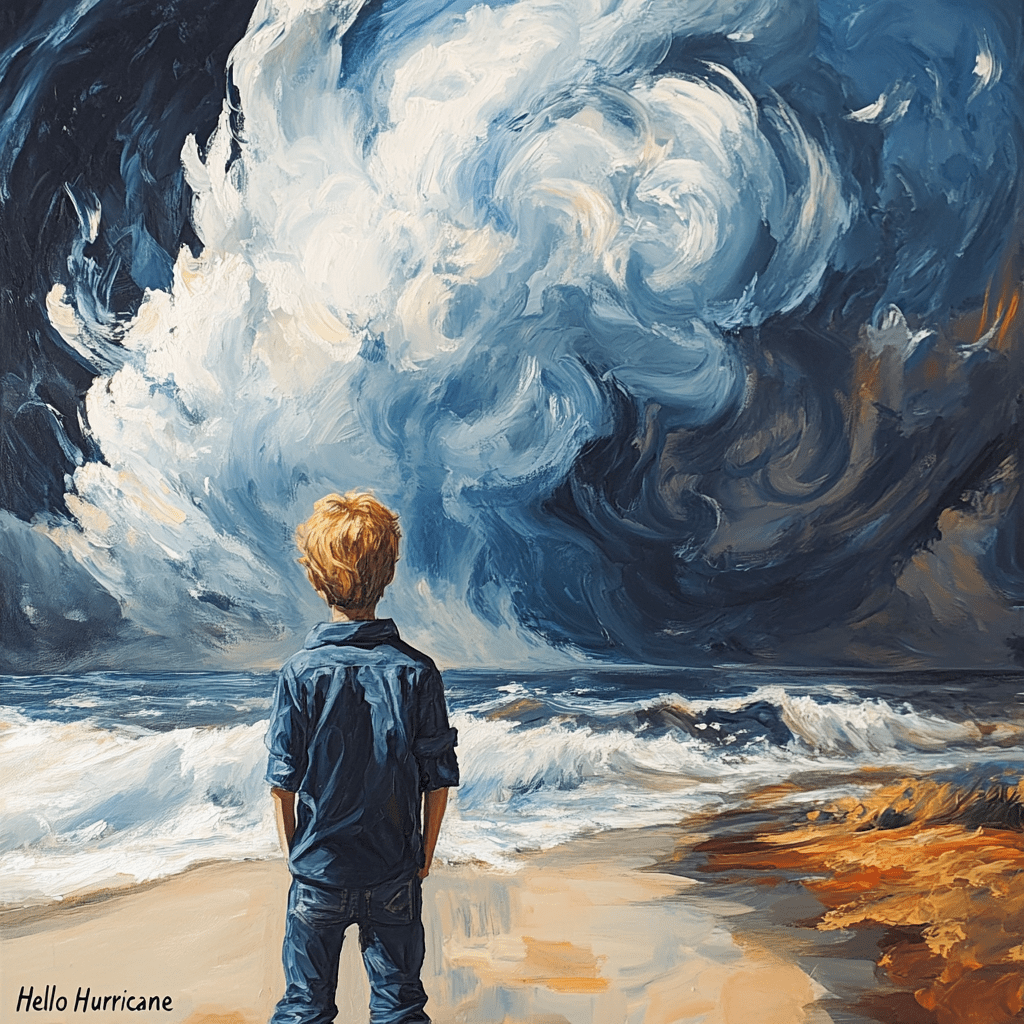
Inspired by “Hello Hurricane” by Switchfoot and Informed by Chaos Theory
Oh, I’ve been watching the skies
They’ve been turning blood red
Not a doubt in my mind anymore
There’s a storm up ahead
Hello hurricane
Chaos Feels Awful—Until It Doesn’t
Chaos is uncomfortable. It’s disorienting. It can be terrifying. When life throws uncertainty our way—whether it’s personal loss, professional upheaval, or global instability—it doesn’t feel like an opportunity. It feels awful.
There’s something uniquely exhausting about dealing with constant unpredictability. When everything feels like it’s shifting beneath our feet, our instinct is often to fight for stability, to regain control as quickly as possible.
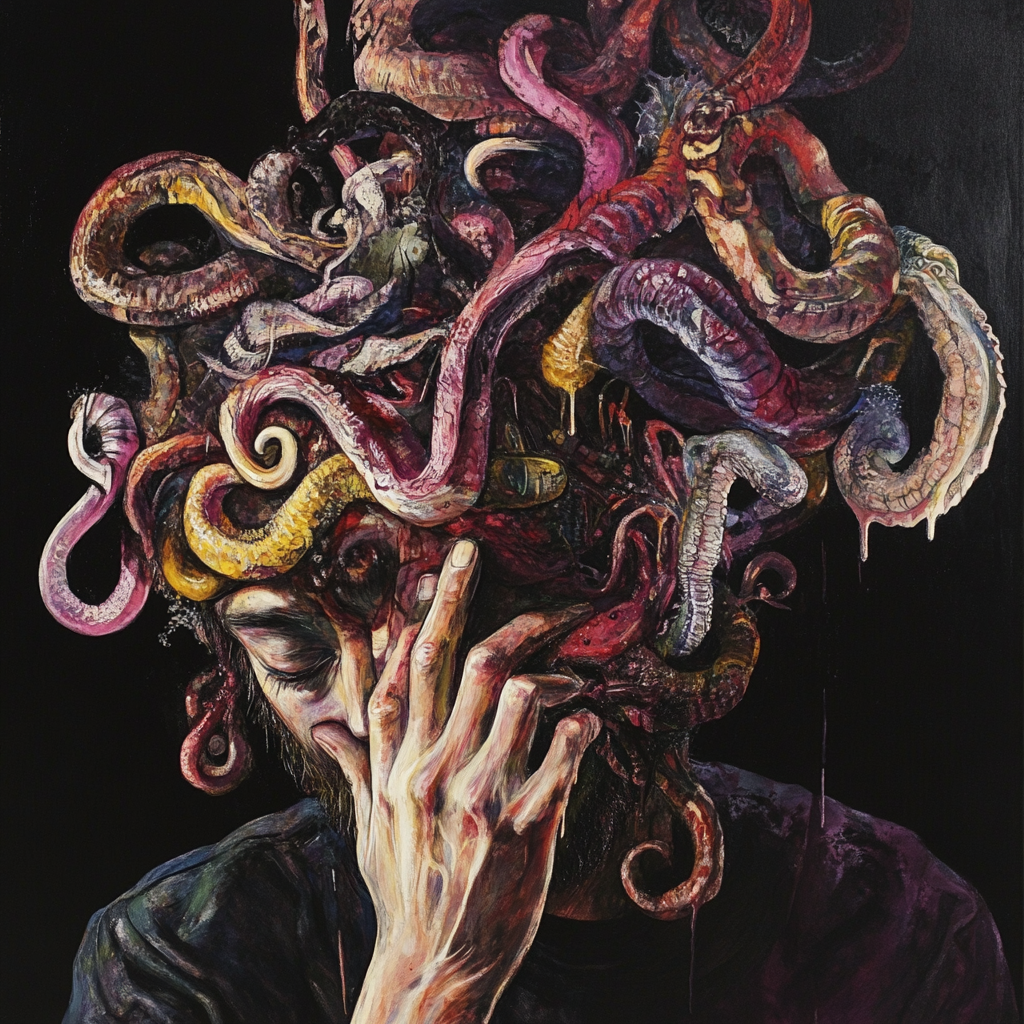
And that makes sense—uncertainty is stressful, and humans crave order.
But what if we can’t stop the storm? What if chaos isn’t just an occasional disruption but a constant part of the world we live in? If that’s the case, maybe the solution isn’t to resist it. Maybe it’s to rethink how we see it.
That’s what Hello Hurricane made me start questioning. The song doesn’t just acknowledge chaos—it welcomes it. You can’t silence my love. There’s no plea for the storm to pass, no desperate clinging to the way things were. Instead, there’s defiance. There’s an embrace of what’s coming, not as something to fear, but as something to push through.
That got me thinking: What if chaos isn’t just something to survive? What if it’s something we need?
That question led me to chaos theory, a framework that suggests that instability and disorder aren’t just random—they’re full of hidden structure and potential. I wanted to explore why things often get better only after they first get worse, why the moments that feel the most destabilizing might actually be the ones filled with the most opportunity.
Why Chaos Creates Opportunity
Chaos theory started with a simple observation: small changes can lead to massive, unpredictable outcomes. Edward Lorenz, a meteorologist, found that the tiniest shift in atmospheric conditions could radically alter weather patterns—a concept now called the butterfly effect (Lorenz, 1963).
But what fascinated me wasn’t just the unpredictability. It was the realization that chaos isn’t random. It has patterns. It has structure. And it often leads to emergence—new forms of order that wouldn’t have existed without the disruption.
Some key ideas from chaos theory stood out:
1. Small Changes Can Lead to Big Impacts – A minor shift at the right moment can change everything.
2. Patterns Emerge from Disorder – What looks like chaos often has an underlying structure.
3. Crisis Forces Evolution – Systems don’t evolve when they’re comfortable; they evolve when they’re pushed to their limits.
Ilya Prigogine, a physicist, found something fascinating about unstable systems: when they’re pushed far from equilibrium, they don’t just collapse. Instead, they reorganize at a higher level (Prigogine & Stengers, 1984).
Growth doesn’t happen despite instability—it happens because of it.
And that made me wonder: Could the same be true for us?
The Chaos of Innovation
The more I thought about it, the more I realized that some of the biggest breakthroughs don’t happen in stability. They happen when something disrupts the system—when an industry is upended, when a company faces collapse, when an old way of thinking no longer works.
• Netflix vs. Blockbuster – Blockbuster ruled the video rental market, but when streaming technology disrupted the industry, it resisted change. Netflix, on the other hand, embraced the chaos of digital transformation, pivoted, and became an entertainment giant. Blockbuster faded into history.
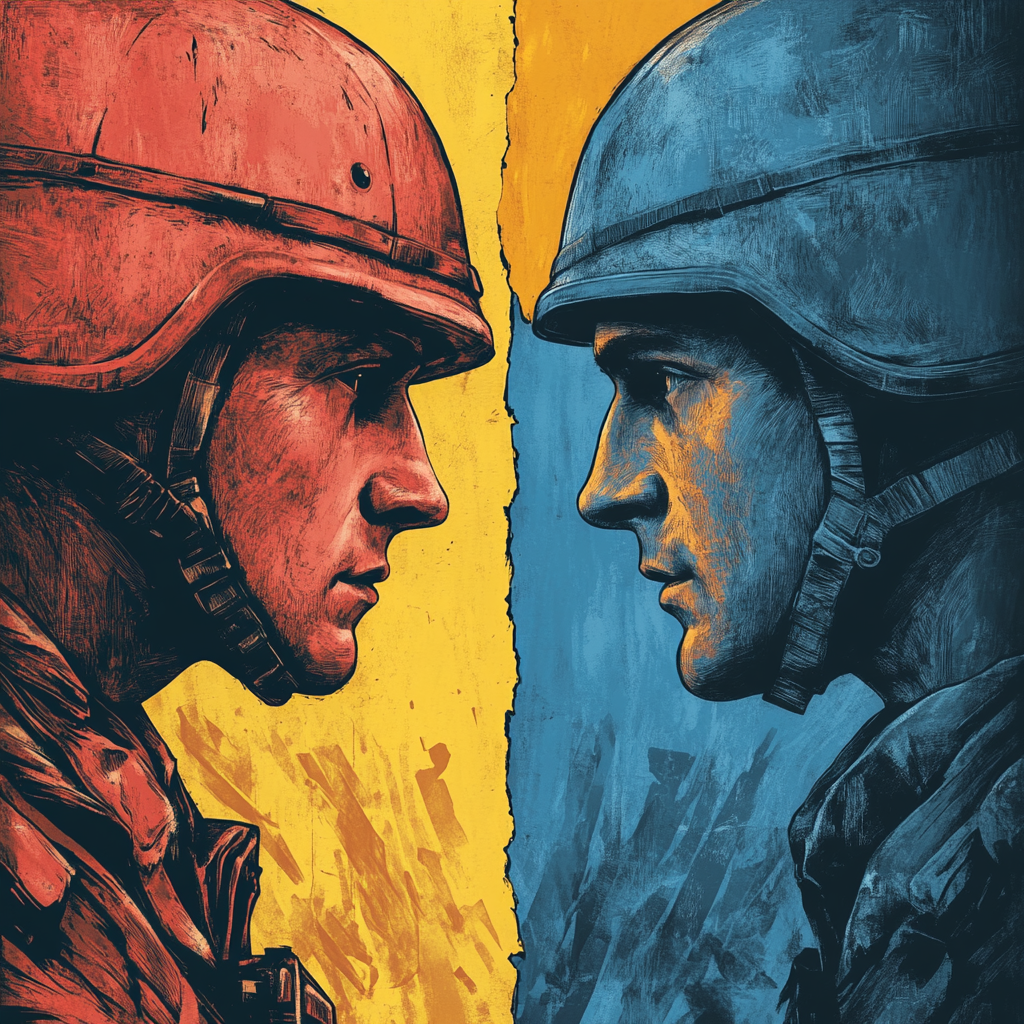
• Ukraine vs. Russia (2022-Present) – When Russia invaded, Ukraine faced a far superior military force. Instead of collapsing, Ukraine embraced the chaos of war—using small, agile units, civilian tech like drones, and rapid innovation. Their adaptability turned the tide, surprising the world and stalling Russia’s advance.
This is exactly what economist Joseph Schumpeter called creative destruction—the idea that economic progress depends on tearing down the old to make way for the new (Schumpeter, 1942). What looks like collapse is often reinvention in disguise.
Chaos and Leadership
I started wondering—what kind of leader thrives in chaos? It turns out, the best ones don’t just manage uncertainty; they use it.
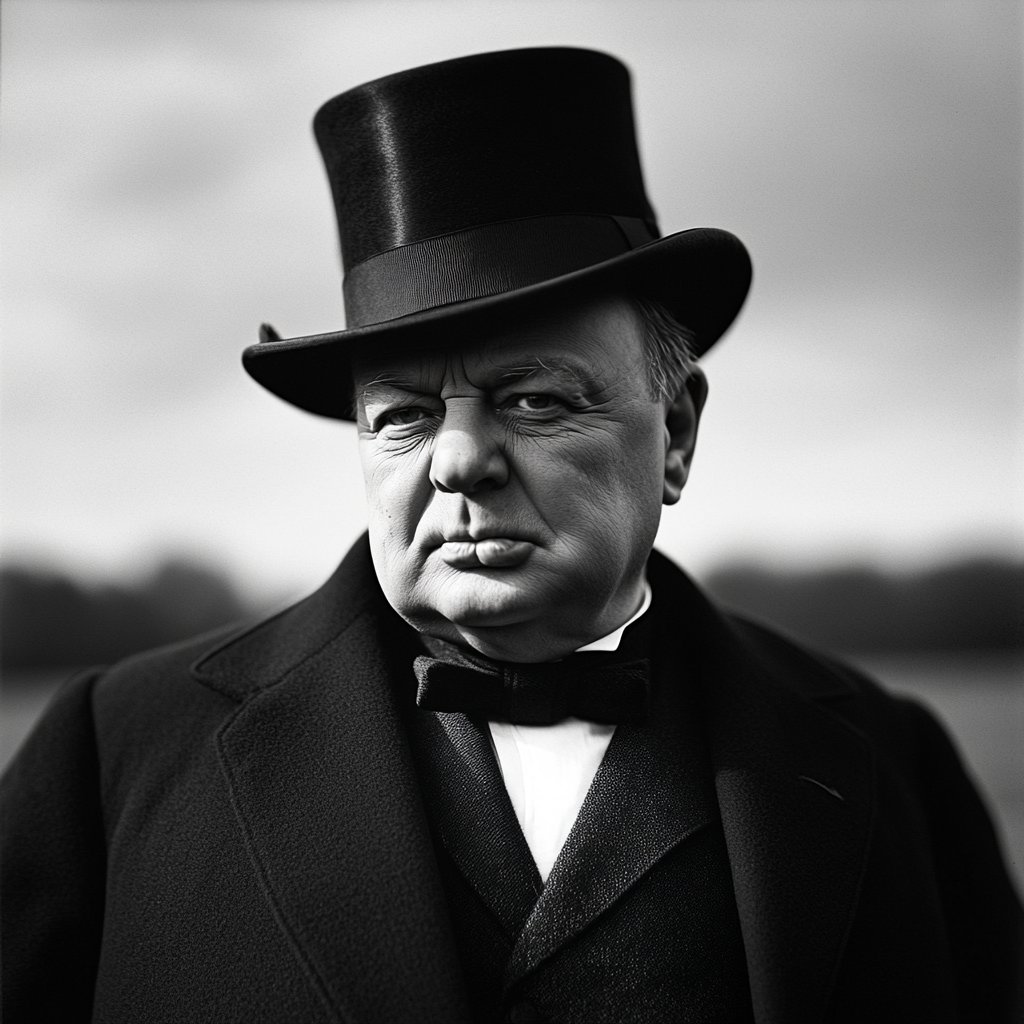
Winston Churchill comes to mind. He wasn’t leading in calm times—he was leading in one of history’s darkest storms. His speeches, his resilience, his ability to take fear and turn it into resolve—that all came from knowing that chaos wasn’t the end. It was just the beginning of something new.
Admiral Nimitz after Pearl Harbor – After the chaos of Pearl Harbor, Nimitz took charge of a broken Pacific Fleet. Rather than waiting for stability, he embraced the uncertainty of war, adapted strategy, and led decisive victories that turned the tide against Japan.
It made me rethink what leadership really is. Maybe it’s not about keeping things steady. Maybe it’s about learning to navigate instability—knowing that turbulence isn’t something to control, but something to move through.
The Personal Side of Chaos
It’s one thing to talk about chaos in business and leadership, but I started thinking: What about personal life? What about when everything feels like it’s falling apart?
Psychologists talk about post-traumatic growth—the idea that people often emerge stronger after facing hardship (Tedeschi & Calhoun, 2004). Viktor Frankl, who survived a Nazi concentration camp, wrote in Man’s Search for Meaning that even in suffering, people can find purpose.

I’ve seen it in athletes, too. Michael Jordan was cut from his high school basketball team. Serena Williams has come back from injuries that should have ended her career. Instead of being crushed by chaos, they used it as fuel.
Looking back at my own life, I see it too. The hardest moments—the ones where nothing made sense, where plans unraveled—weren’t just obstacles. They were turning points. Moments of reinvention. Growth didn’t happen when things were easy. It happened when I was forced to rethink, rebuild, and push forward.
How to Find Opportunity in Chaos
So, if chaos isn’t just destruction but transformation, how do we embrace it?
1. Stop Fighting It – The more we resist change, the harder it is. Chaos is inevitable. What matters is how we respond.
2. Reframe the Story – Instead of seeing disruption as loss, see it as an invitation to rethink, to build, to create something new.
3. Act, Don’t Just React – The people who thrive in chaos are the ones who move forward, even when they don’t have all the answers.
Of course, I am saying this to myself and anyone else who cares to read. I keep coming back to Nassim Taleb’s idea of antifragility—that the opposite of fragile isn’t just resilience. It’s systems that actually grow stronger under stress (Taleb, 2012). Maybe that’s the goal. Not just enduring the storm, but learning to thrive because of it.
Final Thoughts: Defying the Storm
Listening to Hello Hurricane, I realized the song isn’t just about survival. It’s about standing in the middle of the storm and saying, You’re not enough to break me. It’s about looking at the chaos around you—not with fear, but with defiance.
I started this thinking about chaos as something we have to get through. Now, I’m wondering if maybe it’s something we should welcome. Because sometimes, when everything feels like it’s falling apart, it’s actually falling into place.

 Mastermind Century Group