
Introduction
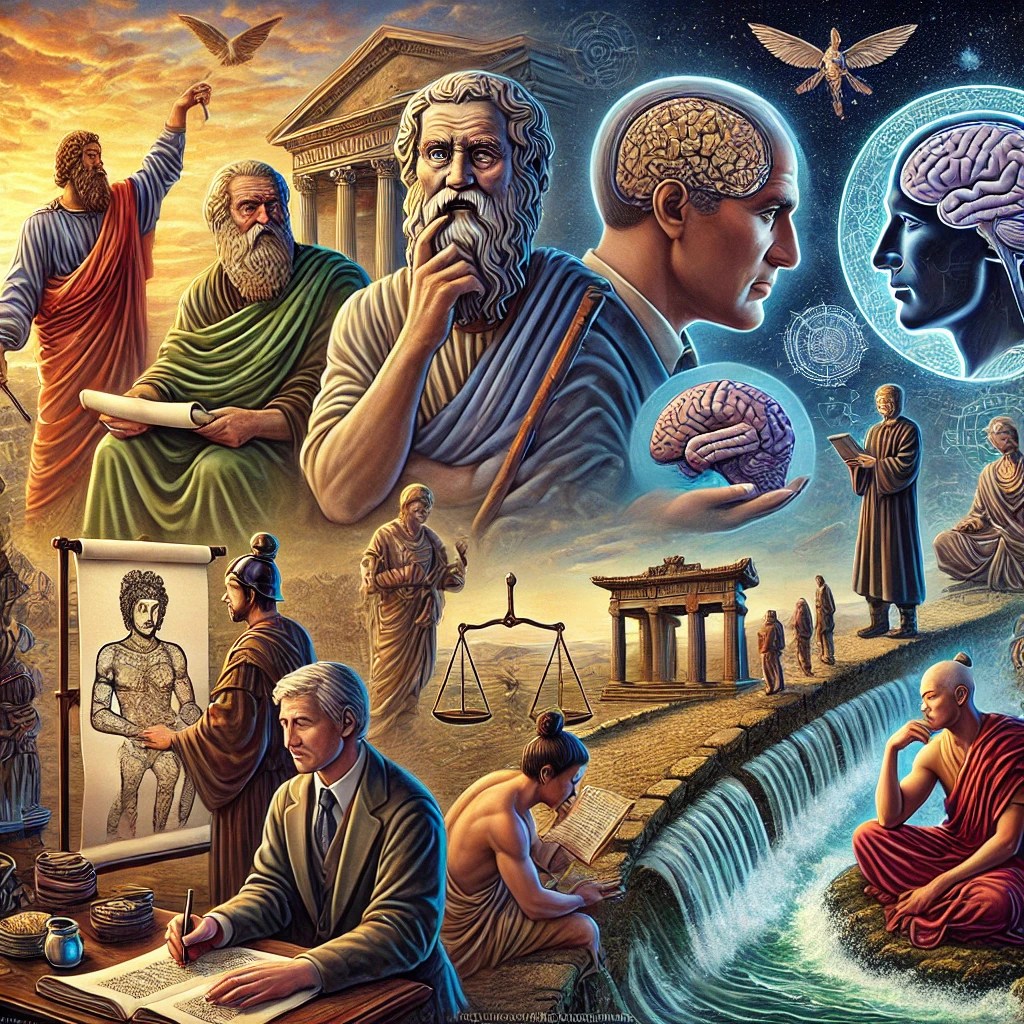
The search for purpose is arguably one of humanity’s oldest and most profound endeavors. Philosophers, theologians, and psychologists alike have sought to understand how individuals find meaning in their lives. From the dialogues of Socrates to contemporary studies in psychology, the question of purpose remains central to human existence. I just wanted to take a minute and explore how ancient wisdom and modern research converge in guiding individuals toward discovering their life’s purpose.
The Ancients and the Question of Purpose
Socrates and the Examined Life
Socrates, through his dialectic method, emphasized self-inquiry as the path to understanding one’s role in life. His famous dictum, “The unexamined life is not worth living,” underscores the belief that purposeful living requires introspection. By questioning societal norms and personal beliefs, individuals discern their true calling rather than conforming to external expectations.
Plato and the Tripartite Soul
Plato, a student of Socrates, introduced the idea that the soul consists of three parts: reason, spirit, and appetite. He argued in The Republic that a well-ordered life, and by extension a purposeful one, emerges when reason governs the other aspects of the soul. Plato suggests that discovering one’s purpose entails aligning one’s abilities and inclinations with a greater societal good.
Marcus Aurelius and Stoic Duty
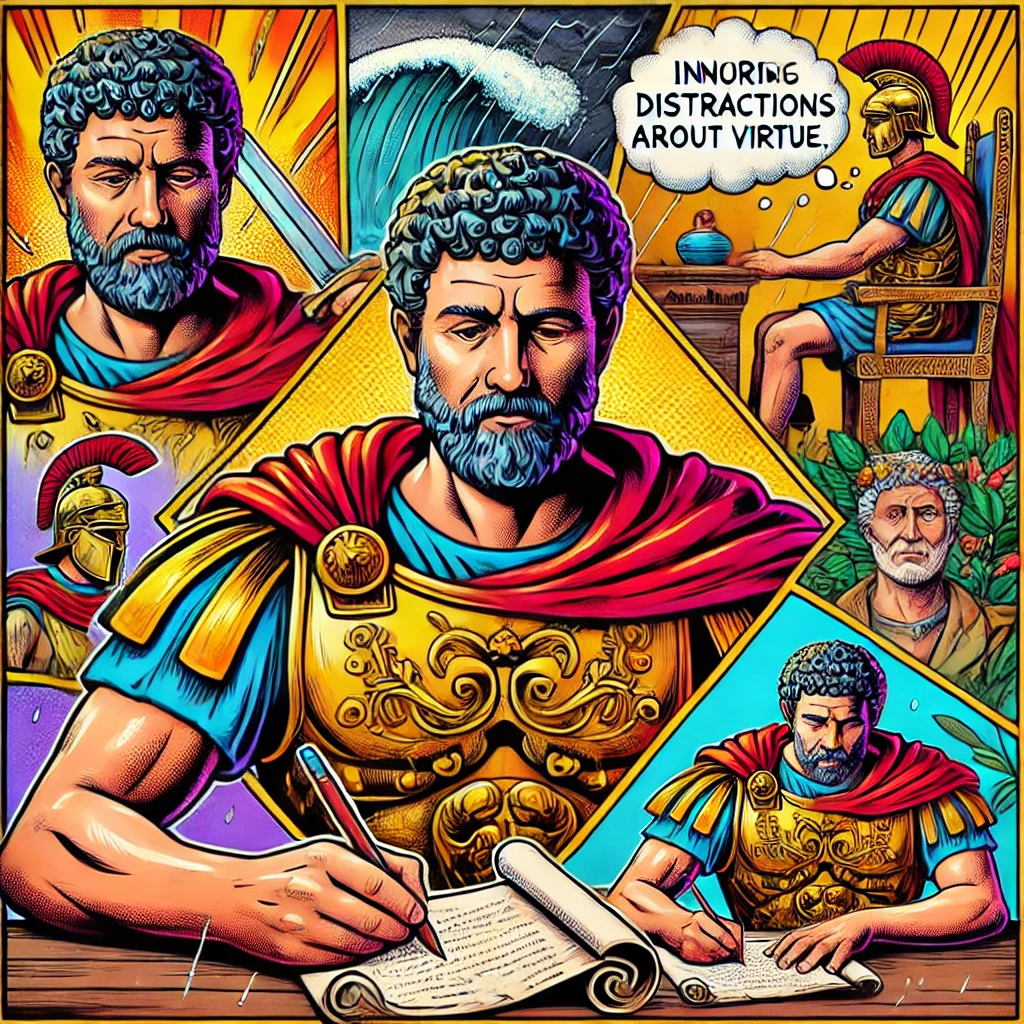
The Stoic philosopher-emperor Marcus Aurelius approached purpose from a perspective of duty and acceptance. In Meditations, he wrote, “What we do now echoes in eternity.” He viewed purpose as fulfilling one’s role with integrity, focusing on virtue over external success. By mastering one’s emotions and aligning with nature’s order, one finds clarity in their purpose.
Sun Tzu and Strategic Purpose
Sun Tzu, in The Art of War, conveys that purpose is not merely found but strategically cultivated. His philosophy suggests that understanding one’s strengths, weaknesses, and environment leads to purposeful action. His ideas resonate with the modern concept of adaptability—aligning oneself with changing circumstances rather than clinging to rigid ideals.
Lao Tzu and the Way of Purpose
Lao Tzu, the founder of Taoism, provides a contrasting perspective. He advocates for wu wei—effortless action aligned with the Tao, or the natural way. In Tao Te Ching, he advises, “By letting go, it all gets done.” For Lao Tzu, purpose is not something to be forced but something that emerges when one follows the flow of life, free from societal pressures and ego-driven pursuits.
Biblical and Theological Perspectives on Purpose
Biblical Foundations of Purpose
The Bible offers profound insights into the nature of purpose. Proverbs 19:21 states, “Many are the plans in a person’s heart, but it is the Lord’s purpose that prevails.” This verse suggests that while humans seek direction, ultimate purpose is divinely ordained. Similarly, Jeremiah 29:11 reassures, “For I know the plans I have for you, declares the Lord, plans to prosper you and not to harm you, plans to give you hope and a future.” These passages highlight a theological understanding of purpose as something revealed through faith and divine providence.
Augustine and the Restless Heart
Saint Augustine, one of Christianity’s most influential theologians, described purpose as a longing for God. In Confessions, he famously wrote, “You have made us for Yourself, O Lord, and our heart is restless until it rests in You.” Augustine’s view aligns with the idea that purpose is discovered through spiritual connection rather than purely rational analysis or worldly success.
Thomas Aquinas and Virtuous Living
Thomas Aquinas further elaborated on purpose through his theological framework, arguing that humans fulfill their highest purpose through the pursuit of virtue and alignment with divine law. In Summa Theologica, he contends that true happiness—often equated with purpose—is found in seeking God and living a life of moral excellence.
Modern Research on Purpose
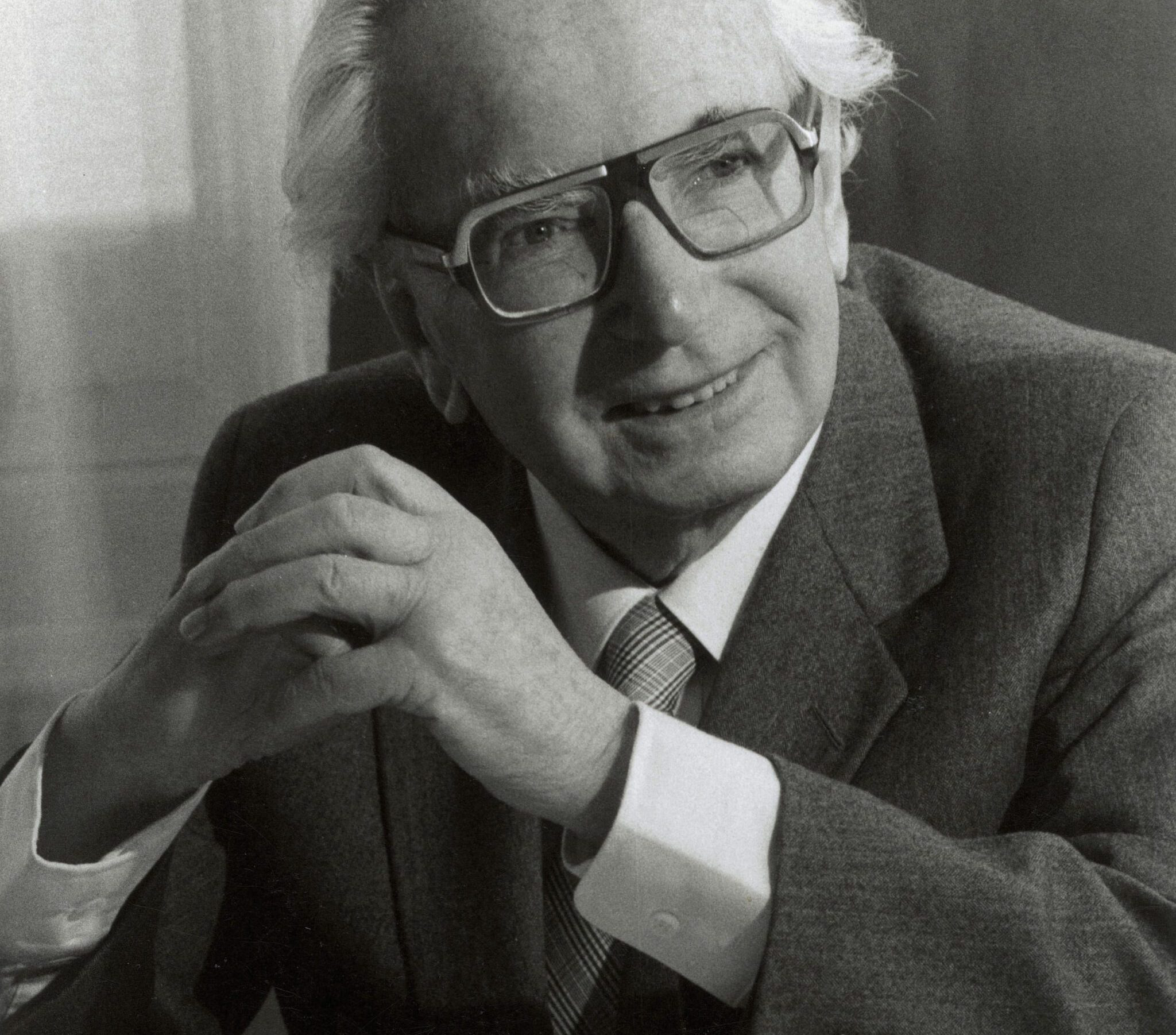
Recent psychological research supports many of these ancient ideas. Viktor Frankl, a Holocaust survivor and psychiatrist, developed logotherapy, which posits that meaning is the primary human drive. In Man’s Search for Meaning, Frankl argues that purpose is found in work, love, and suffering—how one chooses to respond to life’s circumstances.
Positive psychology, led by figures such as Martin Seligman, has also explored the role of purpose in well-being. Seligman’s PERMA model (Positive emotion, Engagement, Relationships, Meaning, and Accomplishment) identifies meaning as a crucial element of fulfillment. Studies show that individuals who have a sense of purpose tend to experience greater resilience, longer lifespans, and improved mental health.
Neuroscientific research suggests that purpose activates the brain’s reward system, reinforcing behaviors that align with one’s values. Studies by researchers such as Patrick Hill and Nicholas Turiano indicate that having a sense of purpose is linked to reduced mortality rates and enhanced cognitive functioning in aging individuals.
The Convergence of Ancient and Modern Thought
The wisdom of the ancients, theological insights, and modern research converge on several key points:
- Introspection Leads to Clarity – As Socrates and psychological research suggest, reflecting on one’s values and experiences is essential to finding purpose.
- Alignment with One’s Strengths Matters – Plato’s philosophy and positive psychology both emphasize that leveraging natural abilities leads to fulfillment.
- Purpose Requires Resilience – Marcus Aurelius and Viktor Frankl highlight that adversity can be a catalyst for discovering deeper meaning.
- Adaptability is Key – Sun Tzu and contemporary thought suggest that purpose is not static but must evolve with life’s changes.
- Letting Go Enhances Discovery – Lao Tzu’s philosophy and mindfulness research indicate that rigid control can hinder the organic emergence of purpose.
- Spirituality as a Guide – Biblical wisdom and theological perspectives affirm that purpose can be found through faith, trust, and alignment with divine will.
In The End…
Finding one’s purpose is an evolving process, informed by ancient wisdom, theological insights, and modern psychological research. Whether through Socratic questioning, Stoic resilience,
Taoist flow, theological reflection, or psychological introspection, the path to purpose is deeply personal yet universally relevant. By integrating philosophical traditions, spiritual beliefs, and contemporary research, individuals can cultivate a sense of direction that is both meaningful and sustainable in a complex world.
 Mastermind Century Group