

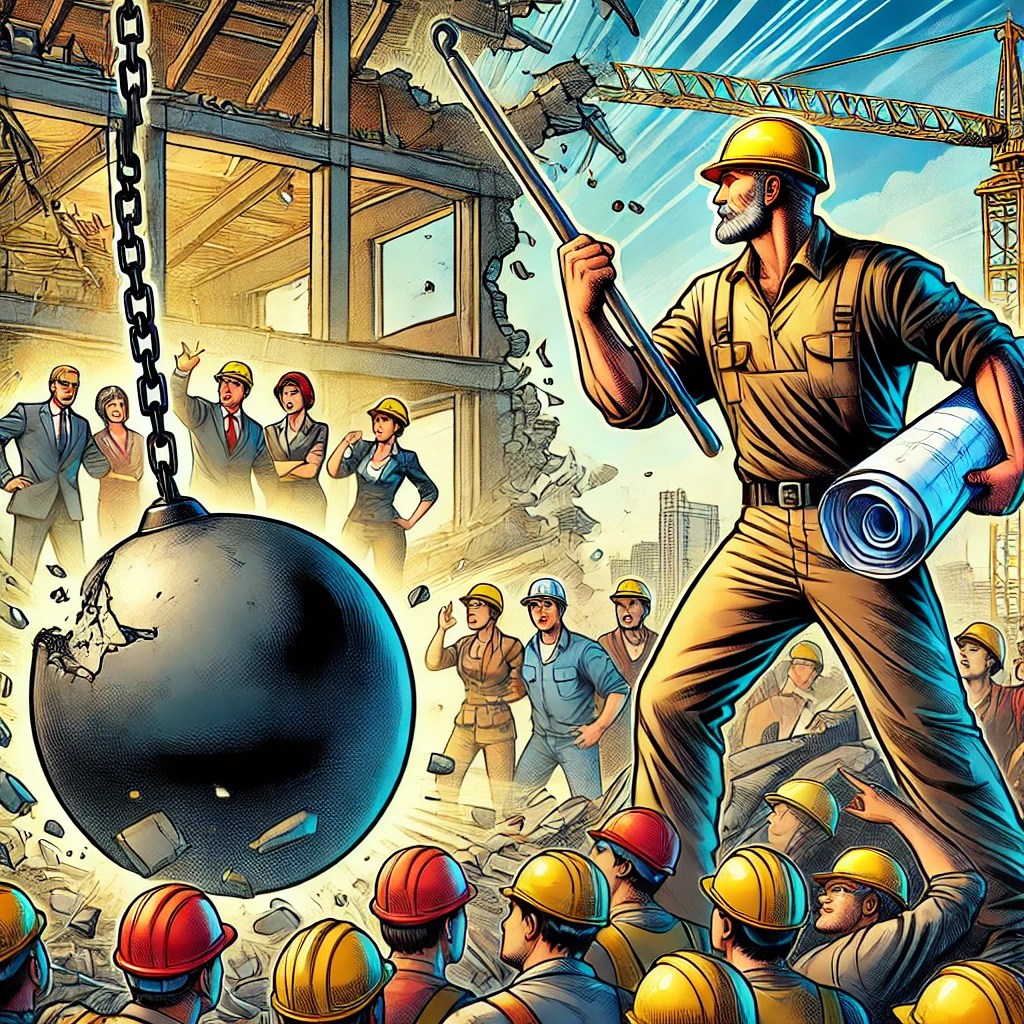
When discussing leadership, innovation, strategy, or even everyday events, people often find it easier to critique than to create. Consider the world of sports—after every major football game, there is an influx of “Monday morning quarterbacks” who analyze every play with the benefit of hindsight, pointing out flaws without considering the immense difficulty of executing a winning strategy in real time. This phenomenon extends beyond sports and permeates leadership, strategy, and innovation, where tearing something down is far easier than building something meaningful and lasting.
Teddy Roosevelt’s famous speech, The Man in the Arena, captures this truth: “It is not the critic who counts; not the man who points out how the strong man stumbles, or where the doer of deeds could have done them better. The credit belongs to the man who is actually in the arena.” Roosevelt reminds us that real achievement comes from effort, resilience, and the courage to build, even when failure is a possibility. In contrast, destruction often requires little courage, effort, or accountability.
Understanding why destruction is easier than creation requires analyzing the phenomenon through multiple lenses: the laws of physics and engineering, the psychology of leadership, the strategy of governance, and the dynamics of innovation. By drawing on historical examples, contemporary case studies, and academic research, key insights emerge on how leaders, organizations, and societies navigate the balance between creative construction and the temptation of destruction.
The Physical and Engineering Perspective: Entropy and Fragility
From a scientific standpoint, the Second Law of Thermodynamics states that entropy—the measure of disorder—tends to increase in a closed system. This principle applies not just to physical structures but to human institutions and organizations.
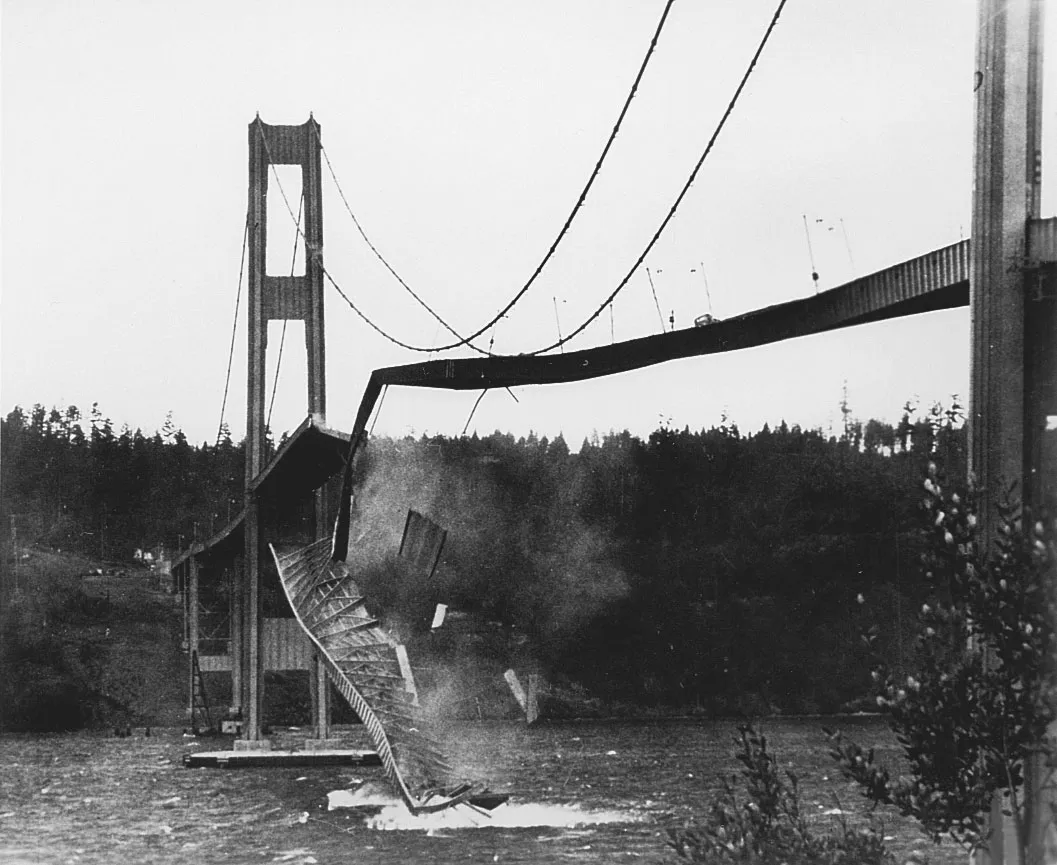
- Structural Fragility: Buildings, infrastructure, and technology require precise engineering and sustained maintenance. The collapse of the Tacoma Narrows Bridge in 1940 serves as a stark example of how complex systems, when not properly maintained, can succumb to destructive forces in an instant (Billington, 1996).
- Energy and Effort Disparity: Destroying a skyscraper with controlled demolition takes minutes, but constructing it requires years of planning, material procurement, engineering calculations, and labor (Gordon, 1978).
- Military Engineering: Throughout history, fortifications such as the Maginot Line in France were designed to withstand attacks, yet were bypassed or neutralized by strategic maneuvering that required far less effort than the construction of the defenses (Van Creveld, 1982).
The same principle applies to human systems. Bureaucracies, organizations, and governments are fragile in that they take decades to build but can be eroded rapidly through internal decay or external disruption.
The Psychological and Social Perspective: The Asymmetry of Effort
Cognitive and behavioral psychology suggests that people find destruction easier than creation due to fundamental cognitive biases.
- Negativity Bias: Research by Baumeister et al. (2001) shows that negative events have a greater impact on individuals and organizations than positive ones. A single scandal or crisis can undo years of credibility and effort.
- The Psychology of Fear and Chaos: Organizational psychologist Edgar Schein (2010) emphasizes that uncertainty and fear create environments where individuals seek self-preservation, often leading to destructive behaviors rather than constructive problem-solving.
- Institutional Trust and Fragility: Francis Fukuyama (1995) argues that trust is the bedrock of effective institutions, but once eroded, it is exceedingly difficult to rebuild. The 2008 financial crisis demonstrated how trust in economic institutions collapsed overnight, yet recovery efforts took years.
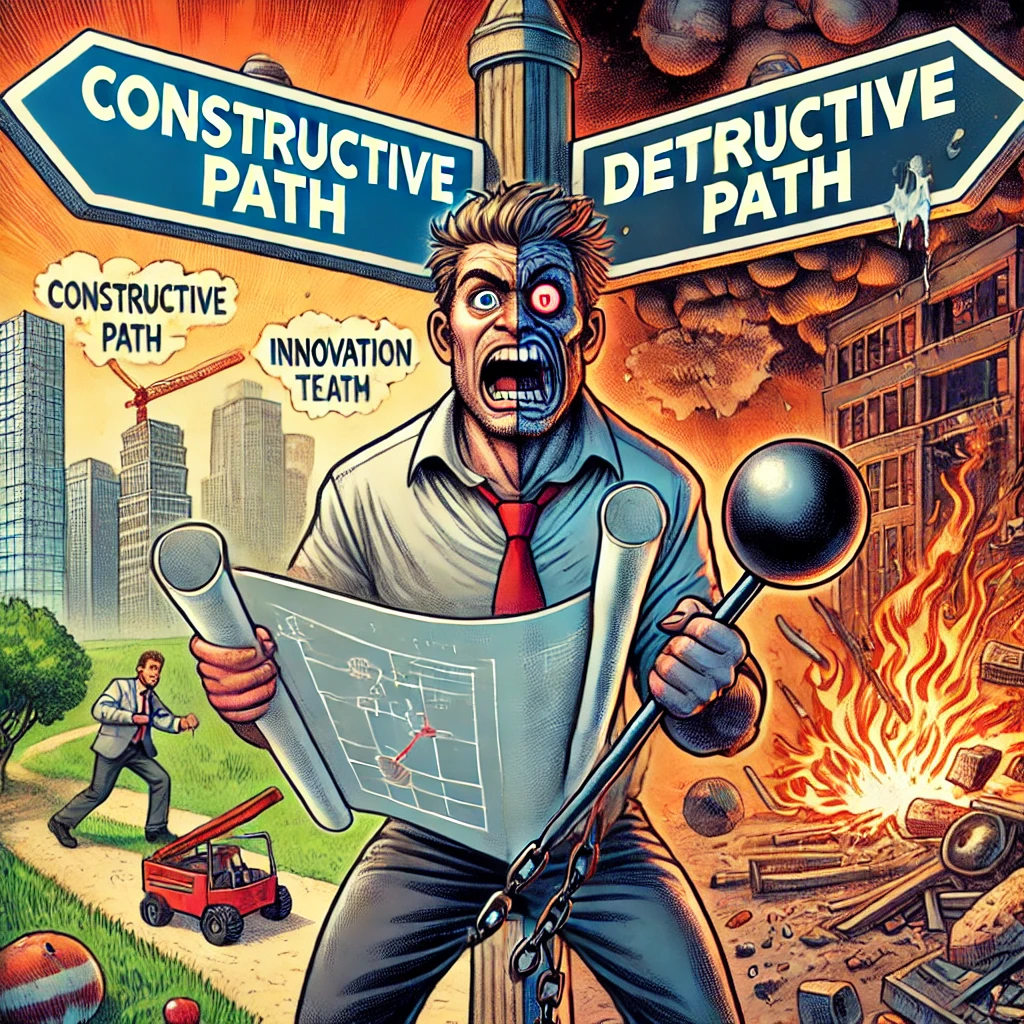
In leadership, psychological factors can determine whether a leader takes a constructive or destructive path. Destructive leadership is often easier because it appeals to short-term incentives, whereas constructive leadership requires vision, patience, and the ability to inspire.
Leadership and Strategy: The Challenge of Building and Sustaining Institutions
The destruction of institutions—whether governmental, corporate, or military—often requires significantly less effort than maintaining or reforming them.
- Warfare and Statecraft: Sun Tzu, in The Art of War, argues that “the supreme art of war is to subdue the enemy without fighting.” Yet, history has shown that while defeating an opponent may be swift, governing and rebuilding require immense resources (Liddell Hart, 1954).
- Corporate Leadership: Jim Collins’ Good to Great (2001) highlights how great organizations take years to develop but can be undone by poor leadership decisions in a fraction of the time. For example, the collapse of Enron was swift compared to the years of growth and stability that preceded it.
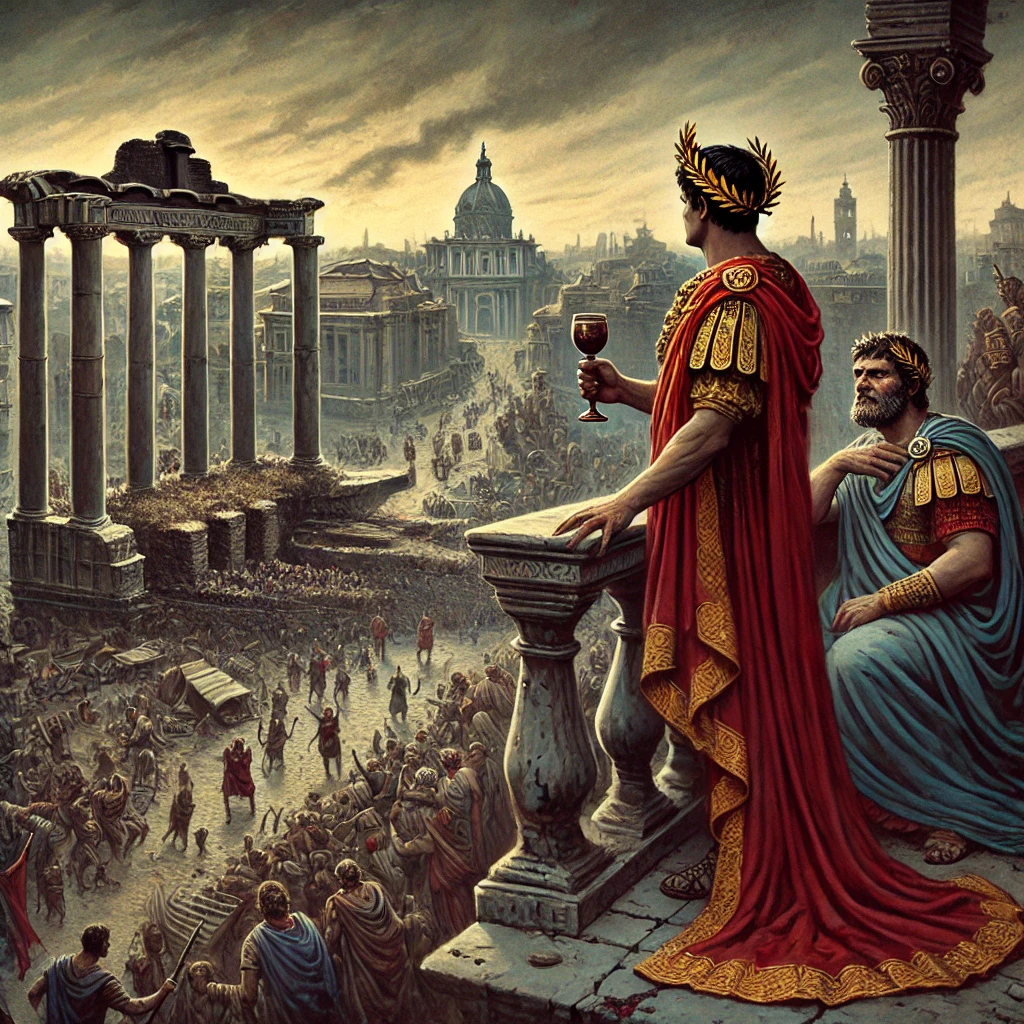
- Government and Bureaucracy: The fall of Rome is often attributed to internal decay and corruption rather than external conquest (Gibbon, 1776). The weakening of administrative institutions, rather than outright military defeat, was what ultimately led to the empire’s collapse.
Constructive leadership requires an ability to resist the temptation of short-termism and instead focus on the long-term sustainability of an organization or state. Destructive leadership, whether through authoritarian impulses, incompetence, or negligence, often provides immediate gratification but long-term disaster.
Innovation: Disruption vs. Creative Construction
The field of innovation provides a compelling case study in the tension between destruction and creation.

- Disruptive Innovation: As theorized by Clayton Christensen (1997), disruptive innovations can destroy incumbent industries, often more easily than it takes to build new ones. Uber, for example, undermined traditional taxi services rapidly, but building a sustainable gig-economy model remains a challenge.
- Creative vs. Destructive Innovation: Some innovations, such as artificial intelligence, threaten existing job markets and social structures before viable replacements are in place (Brynjolfsson & McAfee, 2014).
- The Valley of Death in Innovation: Many technological breakthroughs fail not because they lack merit but because bridging the gap between research and real-world application is immensely difficult (Auerswald & Branscomb, 2003).
Destruction in innovation can be exhilarating, but sustainable progress requires foresight, investment, and a long-term commitment to building functional systems.
In The End: The Strategic Imperative to Build
Across disciplines, the evidence is clear: destruction is easier than creation, but building something of value is what defines lasting success.
- In warfare, winning a battle through destruction is easy; winning the peace through governance is harder.
- In leadership, dismantling an organization or institution requires little effort; sustaining and improving it demands patience and skill.
- In innovation, disruption can be rapid, but constructing a viable long-term model is a far greater challenge.
The challenge of leadership, strategy, and innovation in the 21st century is not merely to prevent destruction but to actively cultivate resilience, creativity, and sustainability. True success lies not in tearing down but in the ability to build and rebuild in the face of inevitable challenges.
References
- Auerswald, P. E., & Branscomb, L. M. (2003). Valleys of Death and Darwinian Seas: Financing the Invention to Innovation Transition in the United States. The Journal of Technology Transfer.
- Baumeister, R. F., Bratslavsky, E., Finkenauer, C., & Vohs, K. D. (2001). Bad is Stronger than Good. Review of General Psychology.
- Billington, D. P. (1996). The Tower and the Bridge: The New Art of Structural Engineering. Princeton University Press.
- Brynjolfsson, E., & McAfee, A. (2014). The Second Machine Age: Work, Progress, and Prosperity in a Time of Brilliant Technologies. W. W. Norton & Company.
- Christensen, C. M. (1997). The Innovator’s Dilemma: When New Technologies Cause Great Firms to Fail. Harvard Business Review Press.
- Fukuyama, F. (1995). Trust: The Social Virtues and The Creation of Prosperity. Free Press.
- Liddell Hart, B. H. (1954). Strategy. Praeger.
- Schein, E. H. (2010). Organizational Culture and Leadership. Jossey-Bass.
 Mastermind Century Group