

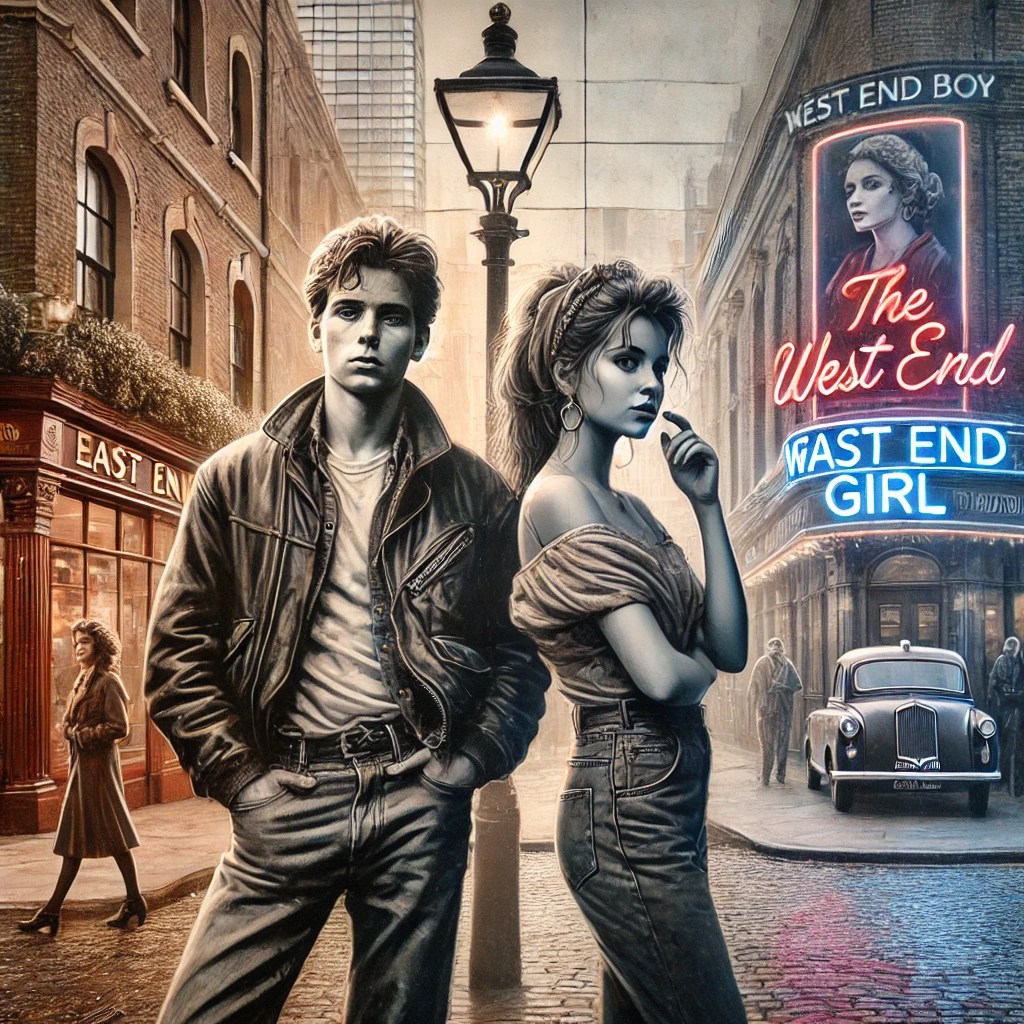
Okay, so this song was never really a favorite of mine, but I can distinctly recall the first couple of times I heard it. The haunting tune and ominous lyrics were captivating and odd at the same time. Back in 1984, I was living in the Bay Area, and London and the UK felt like the epitome of cool and edgy. The song carried that same vibe—cool, edgy, and different. In my 17- or 18-year-old mind, though, all I could think about was the movie Valley Girl with Nick Cage. I mean, wasn’t that kind of a “West Girl, East End Boy” scenario? It seemed like the perfect parallel—a clash of cultures, identities, and aspirations.

Looking back now, it’s fascinating how a song like this, or any song from one’s youth, can be experienced so differently with time. At the time, I totally missed the deeper meaning, the undertones, and the cultural statements embedded in “West End Girls.” As a teenager, it just seemed like a mysterious, moody track—one of those songs you hear everywhere but don’t fully grasp. But as with so much of great music, the layers become clearer as you grow older.
Thinking about it now, the West and East Ends of London embody a true yin-yang relationship—paradoxical yet dependent on one another. The affluence and cultural polish of the West End cannot exist without the grit and resilience of the East End. They are two sides of the same coin, each amplifying the other’s identity. So, what’s going on in the song? What does it say about the culture and the world at the time? Here’s a deeper dive into the track, the historical context, and of course, the usual DeMarco banter.
Origins of “West End Girls”
First released in 1984 with a raw, underground sound produced by Bobby Orlando, “West End Girls” initially gained traction on European club scenes and alternative radio stations. By 1985, re-recorded with producer Stephen Hague, the song’s polished, atmospheric production launched it to international acclaim, topping charts in both the UK and the US. The song’s innovative mix of spoken-word delivery, hip-hop-inspired rhythms, and minimalist synths created a moody yet sophisticated soundscape that reflected the tensions and divides of urban life.
Themes in “West End Girls”
Class and Identity
The lyrics juxtapose the affluent West End of London with the working-class East End, exploring the social and economic divides that define urban existence:
“In a West End town, a dead-end world,
The East End boys and West End girls.”
The “West End Girls” represent materialism and aspiration, while the “East End Boys” symbolize struggle and grit. The song’s narrative conveys a sense of unease in navigating these divides, reflecting broader societal tensions in Thatcher-era Britain.
Urban Alienation
Themes of survival, ambition, and disconnection resonate throughout the song. Neil Tennant’s understated vocals capture the impersonal, fast-paced nature of city life:
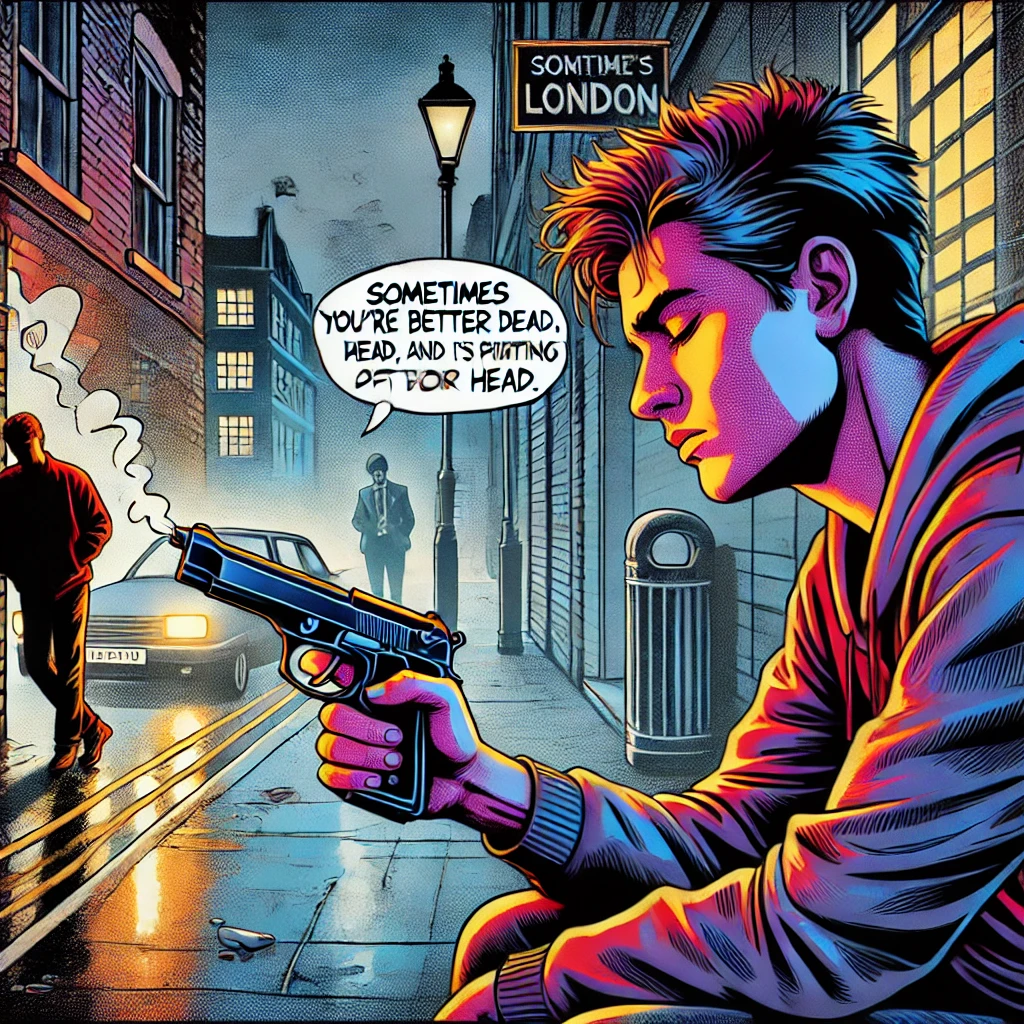
“Sometimes you’re better off dead,
There’s a gun in your hand, and it’s pointing at your head.”
This stark imagery highlights the pressures of urban existence, where identity and social mobility often feel precarious and elusive.
Ambiguity and Fluidity
The title and lyrics suggest fluidity in identity and social roles. Individuals in the city adapt to their surroundings, often blurring the lines between aspiration and authenticity.
The West End: A Historical Overview
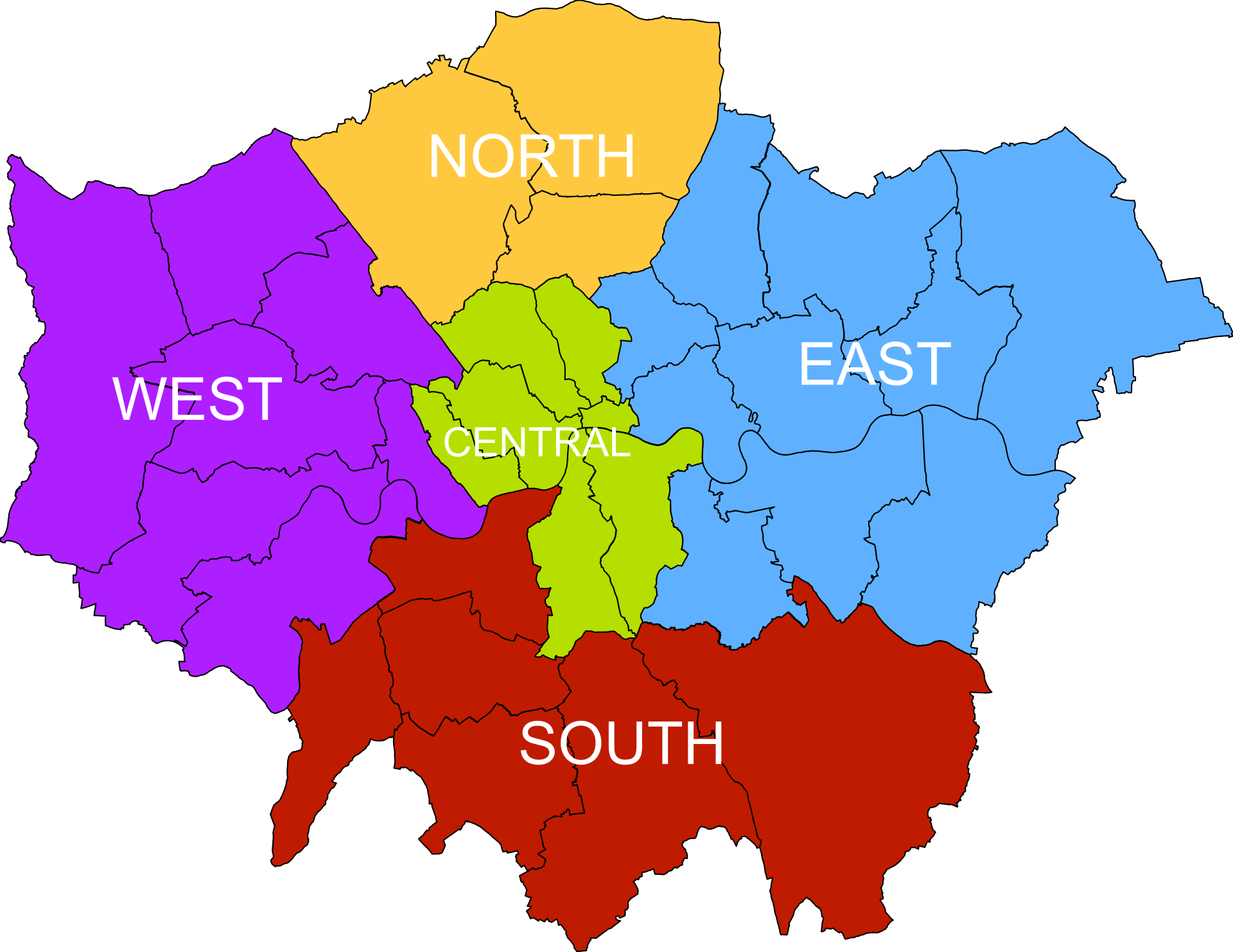
The West End of London has long been synonymous with affluence, culture, and entertainment:
- Origins: Once rural fields and villages, the West End became a retreat for aristocrats in the 17th century. By the 18th century, it was a cultural hub, home to theaters, opera houses, and high-end shopping streets like Bond Street and Regent Street.
- Modern Identity: Today, the West End is a global destination for luxury, nightlife, and theater. Areas like Soho also foster creativity and diversity, making the West End a dynamic symbol of wealth and cultural vibrancy.
The East End: A Story of Struggle and Resilience
In contrast, the East End has historically been a working-class and immigrant community, shaped by its industrial roots and cultural diversity:
- Industrial Hub: From the 16th century onward, the East End’s docks and factories drove London’s economy, but also brought pollution, overcrowding, and poverty.
- Immigration: Waves of immigrants, from Huguenots and Jews to Bangladeshis, have left indelible marks on the East End’s cultural landscape.
- Modern Renaissance: Despite post-war decline, the East End has undergone significant regeneration, becoming a center for art, fashion, and multiculturalism, though gentrification has raised concerns about displacement and inequality.
Cold War Impacts on London’s East and West Ends
While not a direct battleground, the Cold War shaped both the East and West Ends of London in profound ways:
Post-War Rebuilding and Urban Development

The East End, devastated by the Blitz, underwent significant rebuilding in the post-war years. Public housing and welfare programs were designed to improve living conditions and counter communist appeal. Meanwhile, the West End remained a symbol of capitalist prosperity, with its luxury markets and cultural prestige bolstering Britain’s image during the Cold War.
Economic Shifts and Class Struggles
The decline of the East End’s docks in the 1970s mirrored global economic shifts driven by decolonization and globalization. Unemployment and economic stagnation fueled social unrest, echoing Cold War-era struggles in working-class communities worldwide. The West End, by contrast, thrived as a commercial and cultural beacon.
Immigration and Geopolitical Context
The East End’s immigrant communities grew during the Cold War, with refugees from Eastern Europe fleeing communist regimes and Bengali migrants arriving after the Bangladesh Liberation War of 1971. These migrations reshaped the East End, adding to its diversity but also highlighting tensions between local and global forces.
Cultural and Political Activism
Both ends of London were sites of activism during the Cold War. The East End’s working-class roots aligned with socialist movements, while the West End’s cultural institutions often reflected Britain’s alignment with Western liberal values. Anti-nuclear protests and campaigns for social justice found support across the city, reflecting broader anxieties about Cold War geopolitics.
“West End Girls” as a Cultural Artifact
Against this backdrop, “West End Girls” captures the contradictions and complexities of 1980s London:
- Class and Geography: The song’s exploration of the West and East Ends highlights the city’s dualities—wealth and poverty, aspiration and struggle.
- Cold War Tensions: The song’s mood of urban anxiety reflects the broader tensions of the era, where individual and societal identities were shaped by global forces.
- Timeless Appeal: Beyond its immediate context, the song’s themes of alienation, identity, and class remain universally resonant, making it a timeless piece of cultural commentary.
Expanding the Narrative: London’s Dual Identity
The dynamic interplay between the West and East Ends of London is a microcosm of broader societal contrasts. The West End’s theaters, high-end shops, and cultural institutions symbolize ambition and privilege, while the East End’s immigrant roots, industrial legacy, and resilience tell a story of adaptation and endurance. This dual identity of London reflects the city’s capacity to host vast socioeconomic diversity within a shared urban landscape.
Global Influences on Local Narratives
The West End’s affluence and the East End’s challenges were not isolated phenomena but were influenced by global political and economic shifts. The Cold War emphasized capitalist triumphs, seen in the West End’s booming commercial sector, while exposing vulnerabilities in working-class communities like those in the East End.
Gentrification and Transformation
The end of the Cold War brought new challenges and opportunities to both areas. Redevelopment projects, particularly in the East End’s Docklands, signaled a shift from industrial to financial and creative economies. This transformation, while revitalizing the area, also led to displacement and debates about preserving cultural heritage.
In The End:
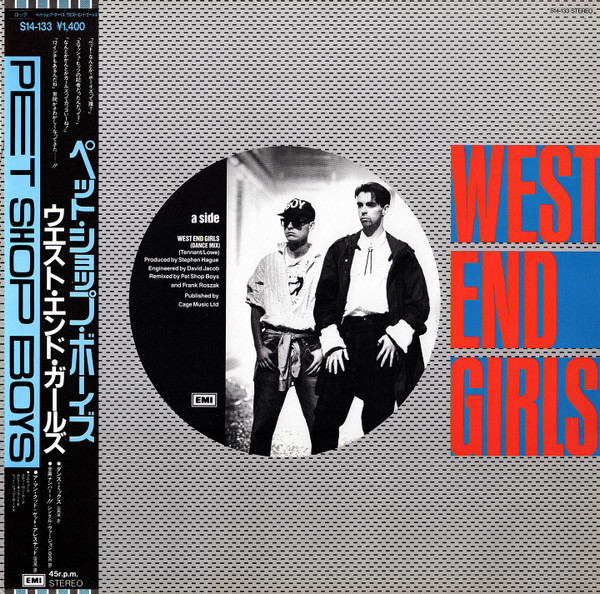
“West End Girls” is more than a pop song; it is a narrative of place, identity, and history. By weaving the stories of London’s West and East Ends with the anxieties of the Cold War era, the Pet Shop Boys created a work that transcends its time. It remains a poignant reminder of the tensions that define urban life—and the music that helps us make sense of it.
Expanding beyond its immediate historical context, the song invites reflection on how cities evolve, how class divisions persist, and how art continues to bridge the divide between aspiration and reality.
 Mastermind Century Group