

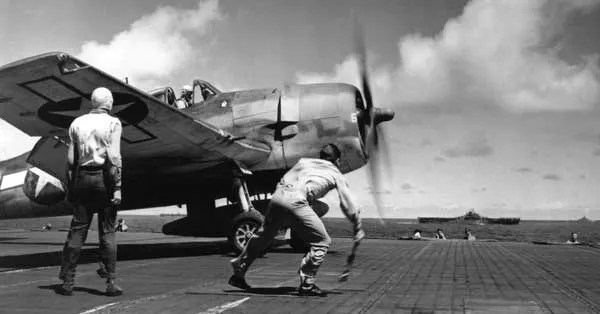
History often provides valuable lessons for shaping the future, particularly in periods of rapid technological and strategic transformation. The interwar years (1919–1939) offer a compelling example of how the U.S. Navy innovated and adapted to prepare for an uncertain future. Faced with emerging technologies like aircraft carriers, submarines, and naval aviation, as well as strategic challenges in the Pacific, the Navy used large-scale exercises—known as Fleet Problems—to experiment with new ideas, refine tactics, and test operational concepts. These exercises not only prepared the Navy for World War II but also fostered a culture of innovation, critical thinking, and adaptability.
As the U.S. Air Force (USAF) grapples with the transformative potential of artificial intelligence (AI), autonomous systems, Next-Generation Air Dominance (NGAD), and the evolving role of manned flight, it may find inspiration in the Navy’s interwar approach. The Fleet Problems were not mere training exercises; they were dynamic experiments that challenged assumptions, evaluated emerging technologies, and informed future doctrine.
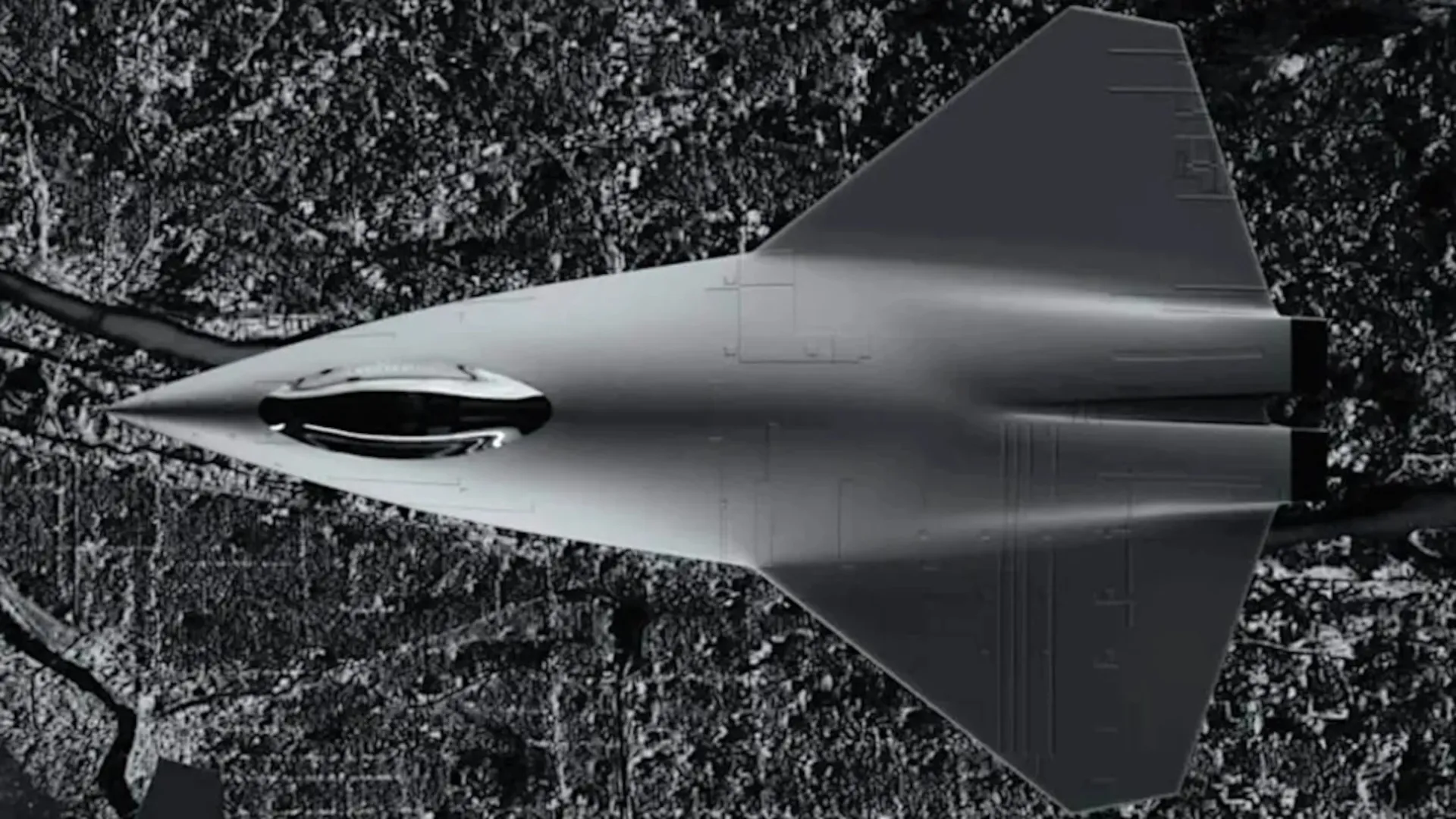
Today, the USAF faces similar uncertainties as it seeks to address questions surrounding the future of warfare, logistics in the Pacific, and the integration of cutting-edge technologies into operational plans.
Could the USAF adopt a modern equivalent of Fleet Problems to test and refine its approach to these challenges? Structured, large-scale exercises could serve as a proving ground for integrating AI into command and control, experimenting with drone swarming tactics, testing logistics resilience in contested environments, and evaluating the role of human decision-makers in an era of advanced autonomy. By revisiting the lessons of the interwar years and the Fleet Problem framework, the USAF might not only accelerate its technological and doctrinal evolution but also foster a culture of innovation that ensures dominance in the conflicts of the 21st century.
The Navy’s Fleet Problems offer a roadmap for how structured experimentation can prepare an organization for the unknown. The following analysis explores the Fleet Problems in detail, highlighting their purpose, structure, and outcomes, and considers how such an approach could shape the future of airpower.
Fleet Problems
The interwar years (1919–1939) were a critical period of innovation and experimentation for the U.S. Navy. During this time, the Navy developed and refined its operational concepts and strategies through large-scale exercises known as Fleet Problems. These exercises were designed to test warfighting concepts, new technologies, and strategies, while preparing the Navy for future conflicts.
Purpose of Fleet Problems
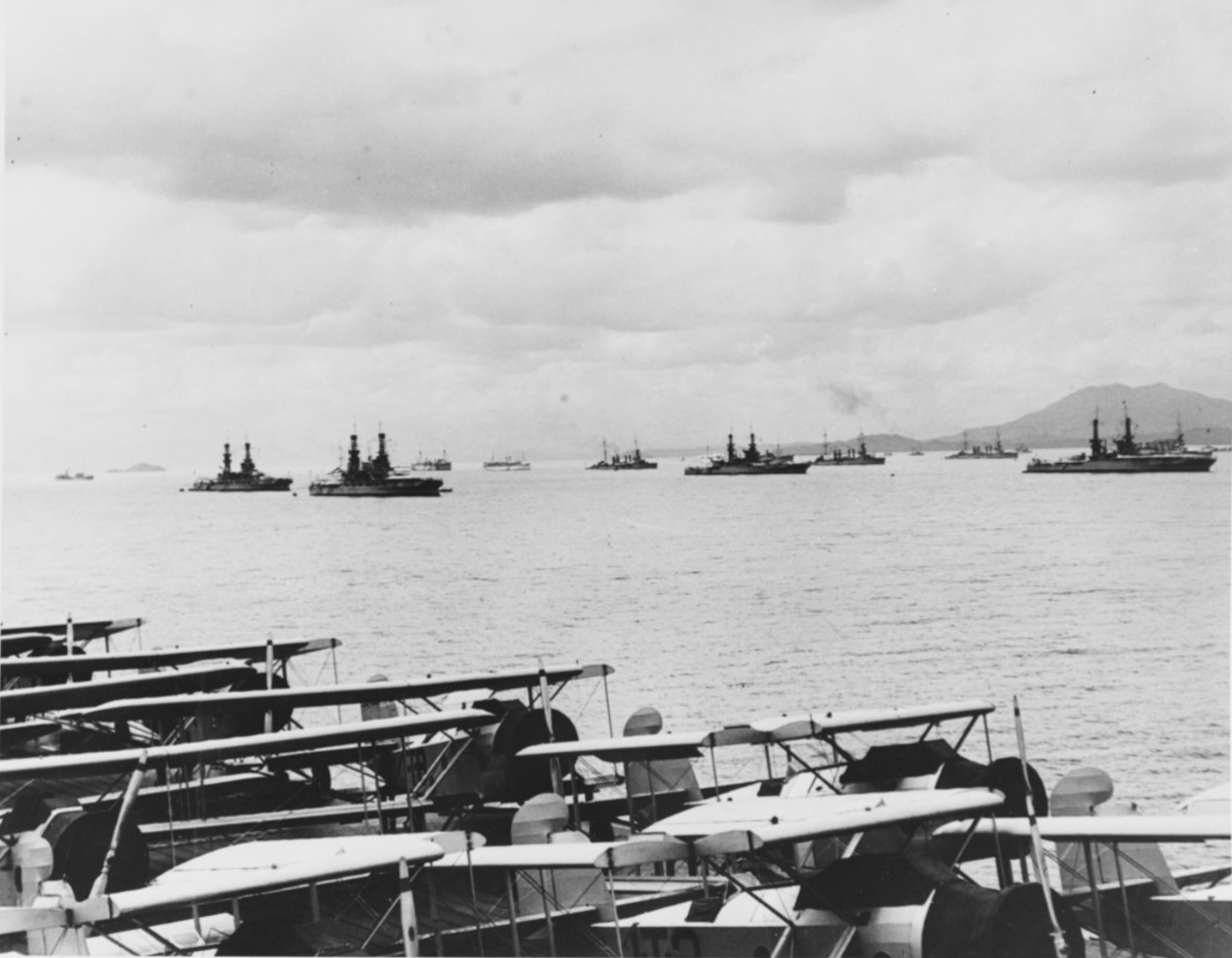
- Strategic and Tactical Development: Fleet Problems focused on addressing real-world scenarios, such as defending the Panama Canal, conducting amphibious assaults, and practicing fleet maneuvers.
- Technology Integration: They provided an opportunity to experiment with new technologies, such as aircraft carriers, submarines, and naval aviation.
- Interwar Planning: The Fleet Problems contributed significantly to the Navy’s preparation for World War II by refining its doctrine and tactics.
Notable Themes in Fleet Problems
- Aircraft Carriers: These exercises highlighted the importance of naval aviation, which became a cornerstone of U.S. Navy strategy during World War II.
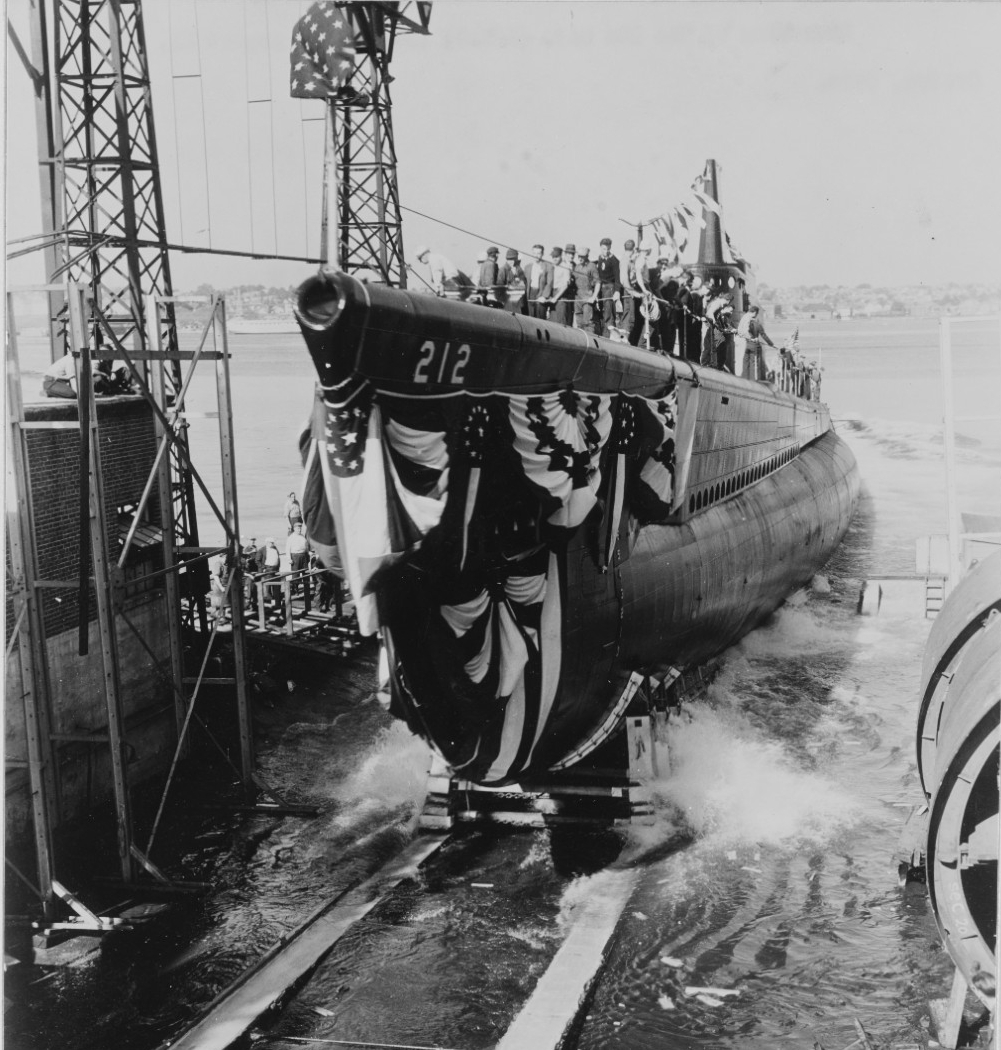
- Submarine Warfare: Submarines played the role of both attackers and defenders, allowing the Navy to explore their strategic potential.
- Logistics and Resupply: The exercises tested the Navy’s ability to operate at long distances, simulating war in the Pacific.
- Joint Operations: Fleet Problems occasionally included collaboration with the Army and Marine Corps to test amphibious operations.
List of Fleet Problems
Below is a chronological list of the Fleet Problems conducted between 1923 and 1940. Each one tested specific scenarios or concepts:
- Fleet Problem I (1923): Simulated defense of the Panama Canal.
- Fleet Problem II (1924): Tested fleet operations in the Caribbean.
- Fleet Problem III (1924): Focused on maneuvers near the Panama Canal.
- Fleet Problem IV (1925): Examined fleet concentration in the Pacific.
- Fleet Problem V (1925): Tested fleet operations in Hawaii and defense scenarios.
- Fleet Problem VI (1926): Evaluated operations along the West Coast of the U.S.
- Fleet Problem VII (1927): Simulated an attack on the Panama Canal by a “Black Fleet.”
- Fleet Problem VIII (1928): Focused on operations in the Caribbean and anti-submarine warfare.
- Fleet Problem IX (1929): Tested defense of the Hawaiian Islands.
- Fleet Problem X (1930): Experimented with long-range operations in the Pacific.
- Fleet Problem XI (1930): Simulated an amphibious assault and fleet resupply.
- Fleet Problem XII (1931): Conducted in the Atlantic, focusing on convoy protection.
- Fleet Problem XIII (1932): Tested fleet concentration in Hawaii.
- Fleet Problem XIV (1933): Evaluated submarine and aircraft operations near Panama.
- Fleet Problem XV (1934): Emphasized fleet defense and amphibious operations in the Pacific.
- Fleet Problem XVI (1935): Focused on carrier operations and fleet logistics.
- Fleet Problem XVII (1936): Tested anti-submarine warfare and convoy protection.
- Fleet Problem XVIII (1937): Simulated operations in the central Pacific.
- Fleet Problem XIX (1938): Highlighted carrier operations and amphibious assaults.
- Fleet Problem XX (1939): Focused on defense of the West Coast and operations in Alaska.
- Fleet Problem XXI (1940): The final pre-war exercise, emphasizing large-scale fleet maneuvers and carrier-based aviation.
Key Takeaways
- Carrier Aviation: Exercises like Fleet Problem IX and XIX underscored the growing importance of aircraft carriers, particularly the lessons of projecting power at long distances.
- Amphibious Warfare: Early Fleet Problems laid the groundwork for the amphibious tactics used during World War II.
- Pacific Focus: Many exercises simulated war against Japan, demonstrating the foresight of naval planners.
- Doctrine Development: Fleet Problems directly influenced the creation of key U.S. Navy doctrines, including carrier strike group operations and the strategic use of submarines.
- The lessons learned from the Fleet Problems proved invaluable during World War II, as they helped shape the Navy’s strategies and operational capabilities, particularly in the Pacific Theater.
Embracing a Culture of Experimentation for the Future
The U.S. Navy’s Fleet Problems during the interwar years provide a powerful example of how a military organization can innovate, adapt, and prepare for an uncertain future. By leveraging large-scale, scenario-based exercises, the Navy was able to test emerging technologies, refine its strategies, and build the doctrines that ultimately proved decisive in World War II. These efforts were underpinned by a willingness to challenge assumptions, embrace failure as a learning tool, and prioritize long-term strategic thinking over immediate operational convenience.
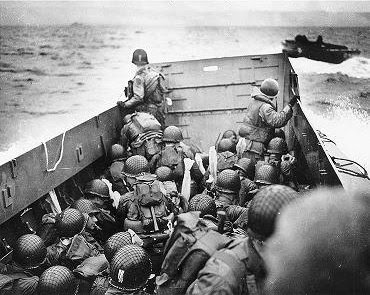
For the U.S. Air Force, the challenges of today—artificial intelligence, autonomous systems, NGAD, contested logistics, and the future role of manned flight—mirror the uncertainty the Navy faced in the interwar period. The USAF is at a pivotal moment, where embracing a culture of structured experimentation, akin to the Fleet Problems, could illuminate the path forward. Such exercises could serve as crucibles for exploring the integration of advanced technologies, testing innovative tactics, and evaluating strategic assumptions in dynamic and realistic environments.
By adopting this approach, the USAF would not only enhance its operational readiness but also foster a mindset of creativity and adaptability across all ranks. This culture of experimentation could prepare the Air Force for a rapidly evolving battlespace, ensuring it retains a strategic advantage in the face of adversaries who are equally invested in technological advancement.
The lessons of the interwar years remind us that the key to navigating periods of transformation lies in embracing the unknown, rigorously testing new ideas, and being unafraid to revise outdated doctrines. Just as the Fleet Problems shaped the Navy’s success in the Pacific, a modernized version of such exercises could shape the Air Force’s ability to dominate the skies and the battlefields of tomorrow. History demonstrates that those who innovate today will win tomorrow—and the USAF has a unique opportunity to lead the way.
 Mastermind Century Group