

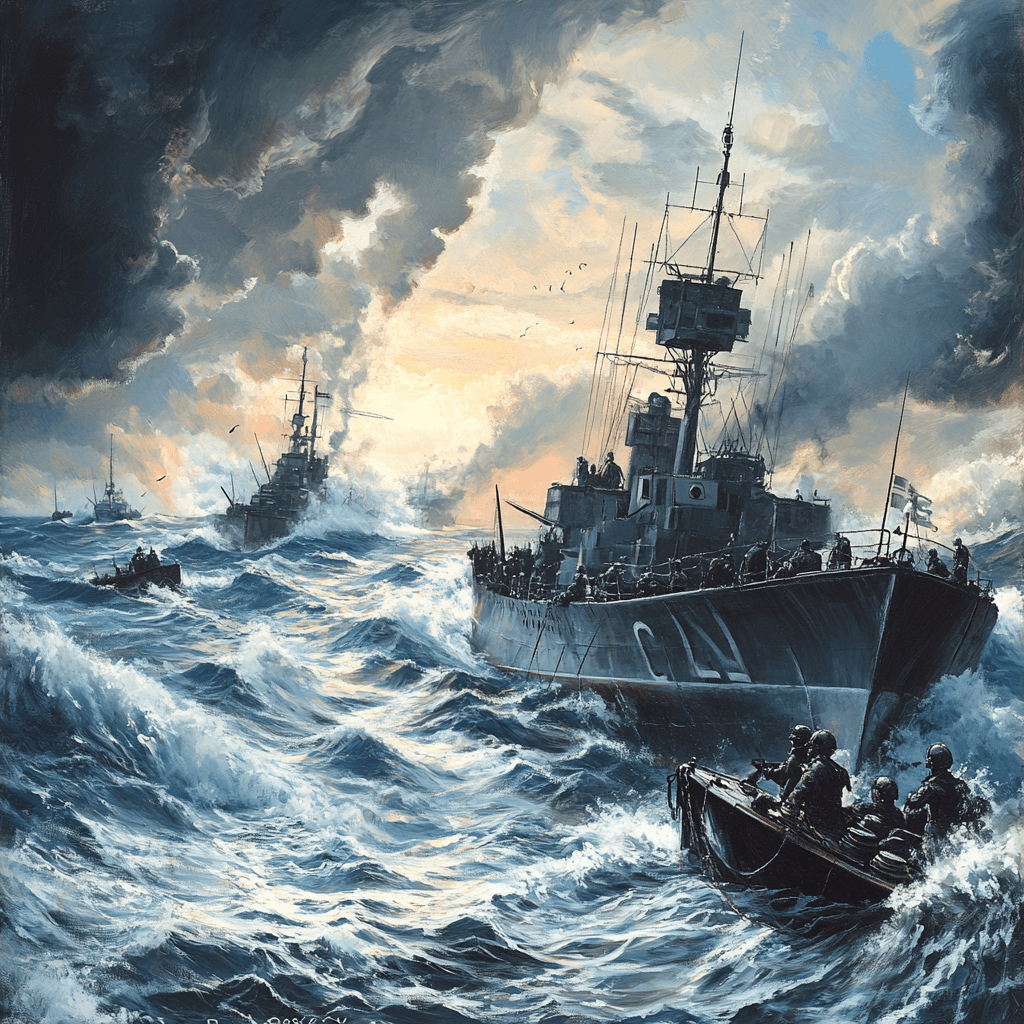
In The Origins of Victory, Andrew F. Krepinevich explores the pivotal role of innovation in securing and maintaining national security. Through compelling historical case studies, he demonstrates that nations that anticipate and adapt to change often secure decisive advantages. Among these case studies, one that resonates strongly today is the Fisher Revolution in late 19th and early 20th century Britain. At a time when the Royal Navy ruled the seas, its leaders assumed that their historic dominance would endure indefinitely. However, rival powers, particularly Germany, began modernizing their fleets and developing new naval technologies, threatening to erode Britain’s maritime supremacy.
This historical scenario bears an uncanny resemblance to challenges facing the United States today. As emerging technologies such as artificial intelligence (AI) and autonomous systems reshape warfare, the U.S. must grapple with questions of complacency and innovation. Just as Admiral Sir John Fisher’s reforms redefined the Royal Navy and preserved its dominance, the U.S. faces a similar choice: lead the ongoing technological revolution or risk falling behind more agile and adaptive competitors. The Fisher Revolution provides a timely reminder of the dangers of stagnation and the transformative potential of bold innovation in preserving national security.
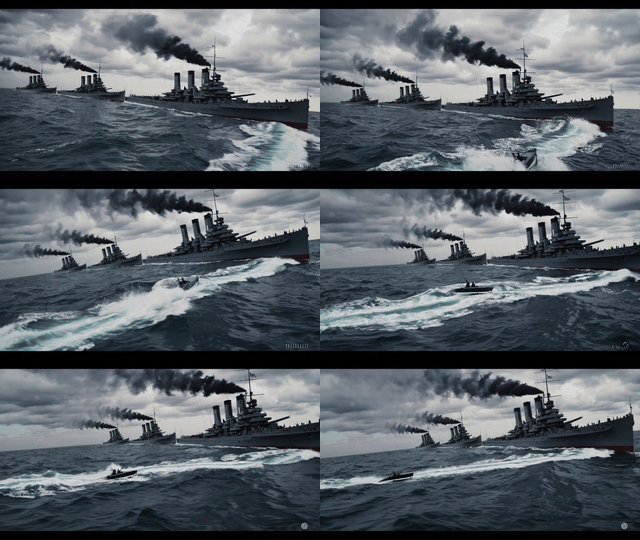
The Fisher Revolution
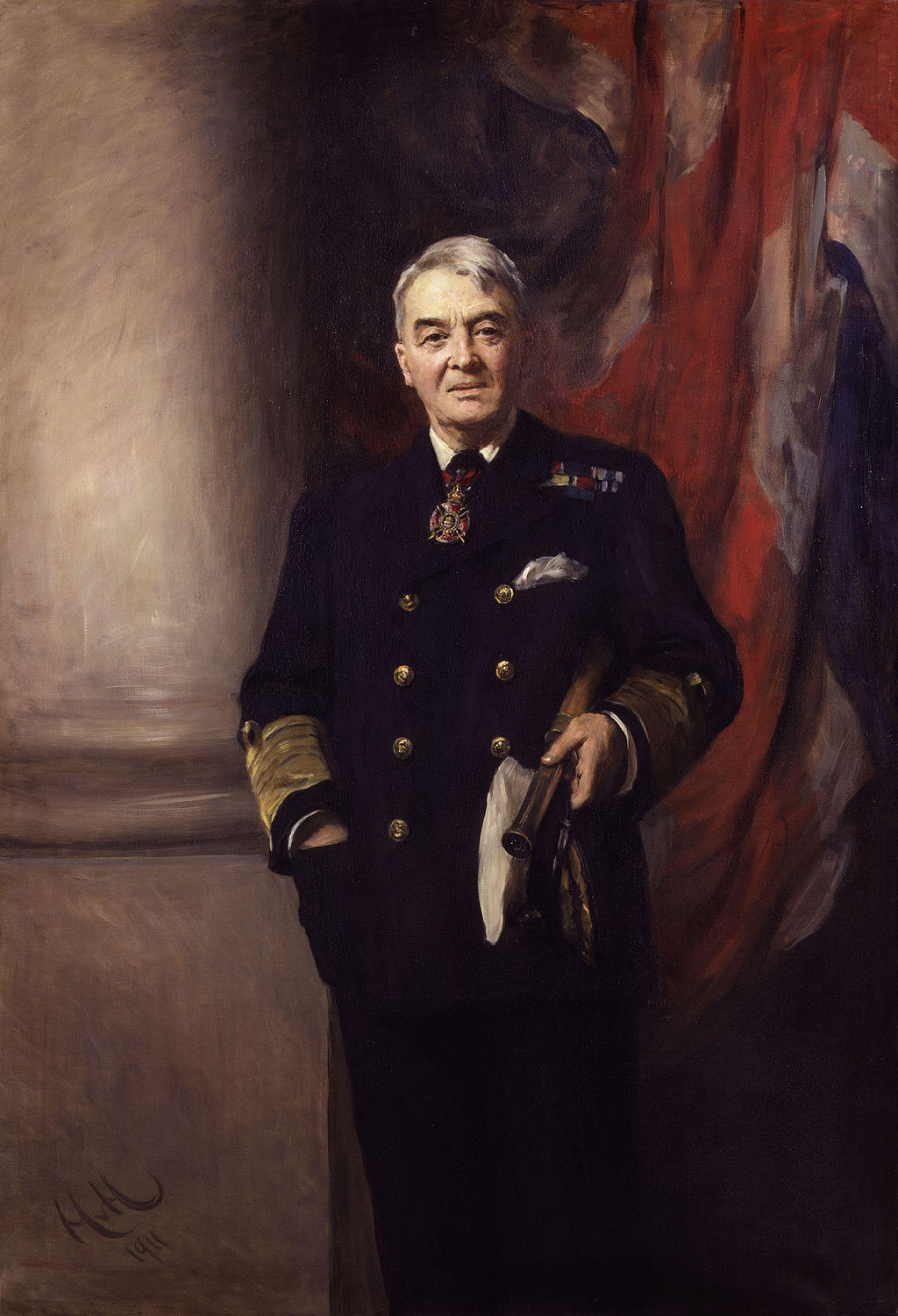
Admiral Sir John Fisher’s leadership marked a turning point in naval history. At the time, the Royal Navy was an institution steeped in tradition and overconfidence, its leaders slow to recognize the rapid technological advancements that were transforming warfare. Fisher, however, was a visionary. He understood that the advent of steam power, ironclad construction, and torpedo technology would render traditional wooden sailing ships and outdated tactics obsolete. His recognition of these shifts and his determination to modernize the Royal Navy ensured that Britain retained its maritime dominance well into the 20th century.
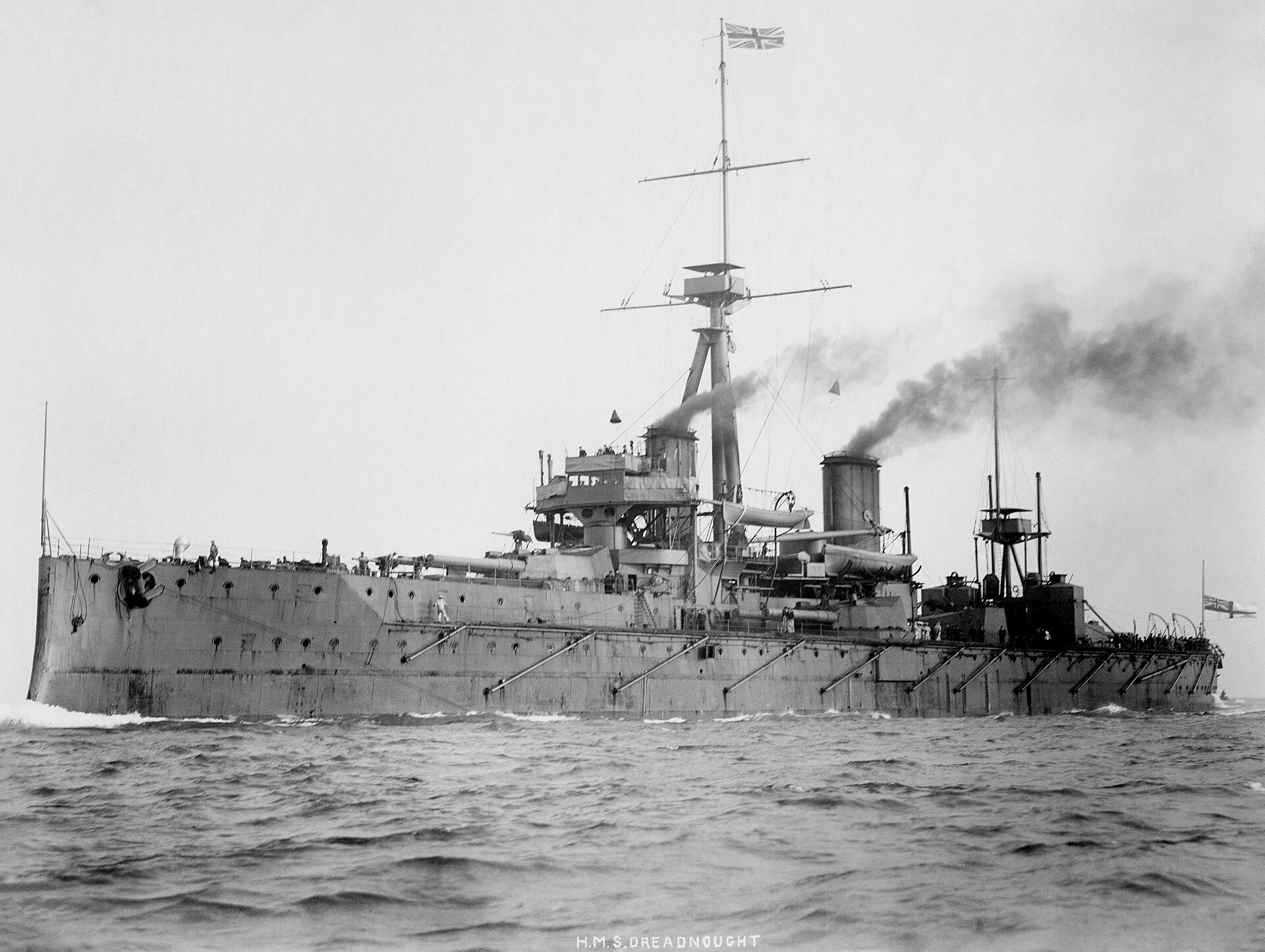
Fisher’s most significant achievement was the design and commissioning of the HMS Dreadnought in 1906. This revolutionary battleship, powered by steam turbines and armed with a uniform battery of large-caliber guns, rendered all other warships obsolete overnight. The Dreadnought not only showcased Britain’s technological superiority but also forced rival navies into a costly and ultimately unsuccessful arms race to catch up. Fisher’s embrace of submarines and torpedo boats further demonstrated his ability to think asymmetrically, recognizing that smaller, less expensive vessels could challenge larger, more traditional ships in unconventional ways.
However, Fisher’s reforms extended beyond technology. He restructured the Royal Navy’s organizational and logistical systems, modernized shipyards, and overhauled training programs to prepare officers and sailors for the demands of modern warfare.
His emphasis on speed, firepower, and centralized command represented a significant shift in naval doctrine, one that aligned with the technological realities of his time. Fisher’s leadership not only preserved Britain’s naval supremacy but also laid the groundwork for strategies that would shape both World Wars.
Parallels to Modern Military Challenges
The challenges Fisher confronted in his time are strikingly similar to those faced by modern militaries. Just as the Industrial Revolution brought steam power and ironclads to naval warfare, today’s technological revolution is driven by AI, drones, and autonomous systems. These innovations are redefining the nature of combat, disrupting traditional doctrines, and creating new opportunities for asymmetric warfare.
AI is transforming the way militaries approach decision-making, logistics, and battlefield awareness. Algorithms now enable predictive maintenance, real-time data analysis, and autonomous navigation, enhancing both efficiency and effectiveness.
Similarly, drones and autonomous systems have revolutionized air, land, and sea combat, offering precision strike capabilities and the ability to overwhelm adversaries with swarm tactics. These technologies are as disruptive today as the torpedoes and submarines Fisher championed in his time.
Yet technological innovation alone is not enough. The modern U.S. military, like the Royal Navy of Fisher’s era, must adapt its doctrines, organizational structures, and training programs to fully exploit these advancements. This requires balancing legacy platforms with emerging technologies, a challenge that Fisher navigated skillfully. His ability to transition from sail to steam while maintaining operational readiness provides a valuable lesson for today’s military leaders.
The Leadership of Admiral Fisher
Fisher’s success was not merely a result of his technical acumen but also his exceptional leadership. He was a visionary who anticipated the technological and geopolitical changes of his time and aligned naval strategy accordingly. His ability to articulate a clear vision for the Royal Navy, combined with his relentless drive to implement reforms, made him a transformational leader. However, his leadership style was not without controversy. Fisher was unapologetically bold, often clashing with traditionalists who resisted his changes.
Despite these conflicts, Fisher remained steadfast in his commitment to innovation. His motto, “Sleep is a crime,” reflected his relentless work ethic and sense of urgency. He recognized that maintaining naval supremacy required constant adaptation and was willing to make difficult decisions, such as decommissioning older ships and investing in unproven technologies. Fisher’s legacy serves as a powerful reminder that effective leadership requires not only vision but also the courage to challenge the status quo.
Current Leadership in the AI Era
Today, the U.S. military lacks a figure comparable to Fisher—a singular leader capable of unifying efforts to integrate AI into warfare. The Department of Defense (DoD) has established the Chief Digital and Artificial Intelligence Office (CDAO) to oversee AI adoption, with figures like Dr. Radha Iyengar Plumb and Dr. William W. Streilein playing key roles. Yet leadership in this area remains fragmented, with responsibilities distributed across various offices and branches. External advocates like Eric Schmidt and Alexandr Wang have highlighted the transformative potential of AI, but their contributions are limited to advisory roles.

This lack of a unifying leader reflects the complexity of AI’s impact on warfare, which spans technology, policy, ethics, and strategy. However, the absence of centralized leadership also creates risks, including bureaucratic inertia, inconsistent priorities, and missed opportunities.
Call to Action: Revitalizing Leadership and Innovation
To address these challenges, the U.S. military must take decisive action. First, it needs to empower a central figure with the authority and resources to drive AI adoption across all branches. This leader must possess both technological expertise and strategic vision, much like Fisher did during his revolution.
Second, the DoD must develop a coherent doctrine that integrates AI, drones, and other emerging technologies into its overall strategy. This doctrine should emphasize interoperability, ethical considerations, and the ability to operationalize new capabilities effectively.
Third, the U.S. should strengthen partnerships with private industry and academia to accelerate innovation. Programs like DARPA should be expanded, and collaboration with tech leaders must be prioritized.
Finally, the military must invest in education and training to prepare personnel for the demands of AI-driven warfare. Establishing specialized institutions, akin to Fisher’s Royal Naval Colleges, would ensure that future leaders are equipped to navigate this new era of conflict.
Conclusion
The Fisher Revolution underscores a timeless lesson: complacency in the face of change is the greatest threat to dominance. Admiral Sir John Fisher’s bold leadership, willingness to embrace innovation, and commitment to transformation preserved Britain’s naval supremacy during a critical period of technological upheaval.
Today, the United States faces its own inflection point. As AI and autonomous systems reshape the nature of warfare, the stakes are higher than ever. Without visionary leadership and a clear strategy, the risks of stagnation and decline grow ever greater. The U.S. must rise to this challenge, drawing inspiration from Fisher’s example to lead the next military revolution. The time to act is now.

 Mastermind Century Group