


Discipline often stands misunderstood as mere adherence to rules or rigorous routine. True discipline, however, reveals itself in the quiet moments when we choose action over avoidance, especially in tasks we dislike or fear. It is in these moments that discipline becomes not just a tool for productivity but a defining trait of leadership.
At its core, discipline is the act of overcoming inertia—facing what is uncomfortable or inconvenient to achieve something greater. Leaders who embody discipline understand this truth: success is not a product of fleeting inspiration but of sustained effort, often in the face of resistance.
Philosophers throughout history have highlighted discipline as the bedrock of personal growth and leadership. As Aristotle remarked, “We are what we repeatedly do. Excellence, then, is not an act, but a habit.” This timeless observation reminds us that discipline is not a one-time exertion but a consistent practice shaping who we become.
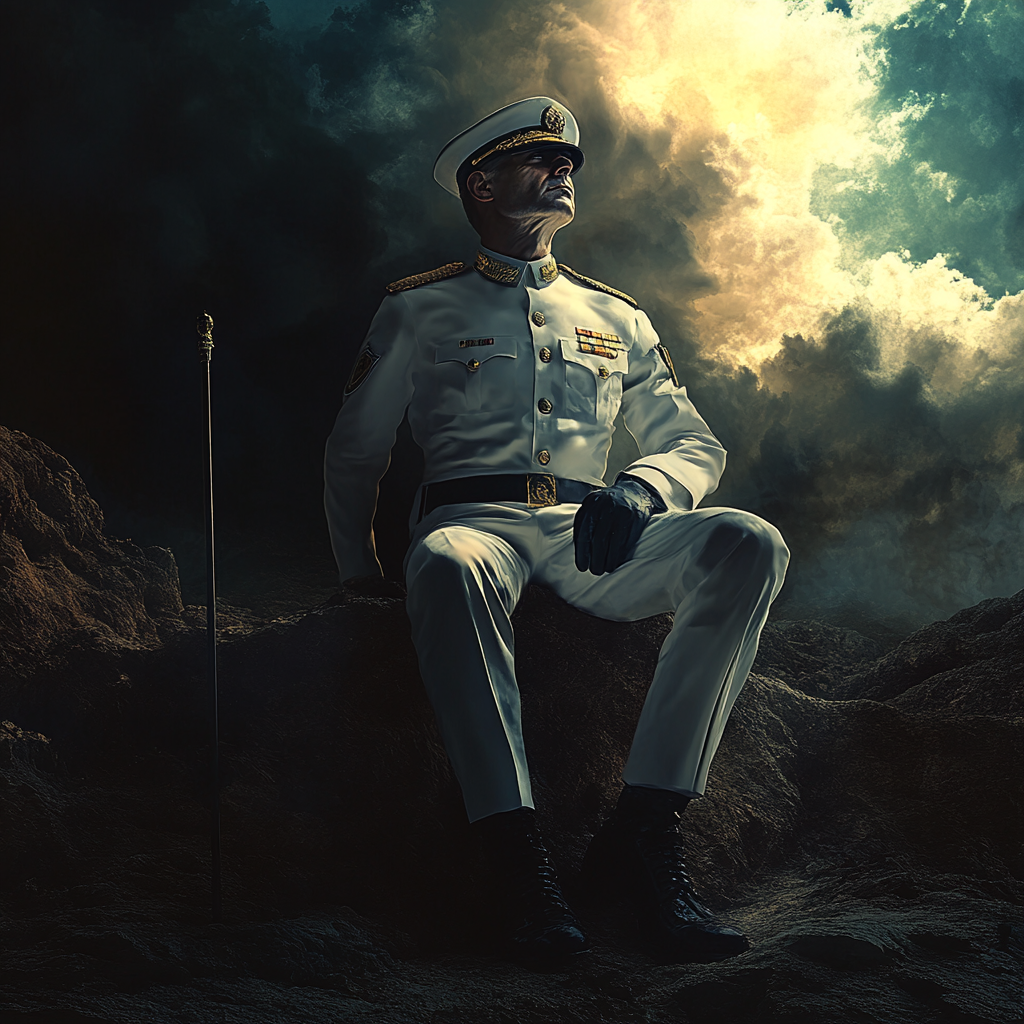
Friedrich Nietzsche emphasized discipline’s role in human strength and development, stating, “He who cannot obey himself will be commanded. That is the nature of living creatures.” For Nietzsche, self-discipline is a precursor to autonomy and self-mastery, enabling leaders to command their own lives before they can guide others.
Immanuel Kant also underscores the moral dimension of discipline. In his view, “Discipline is the constraint of freedom by law.” This notion points to discipline as an essential force that harmonizes individual liberty with responsibility, a vital balance for effective leadership.
The Case of General George Washington
One of history’s greatest examples of disciplined leadership is General George Washington during the American Revolutionary War. Washington’s ability to persevere and lead through adversity demonstrates how discipline transcends personal preferences and immediate gratification for the sake of a larger purpose.
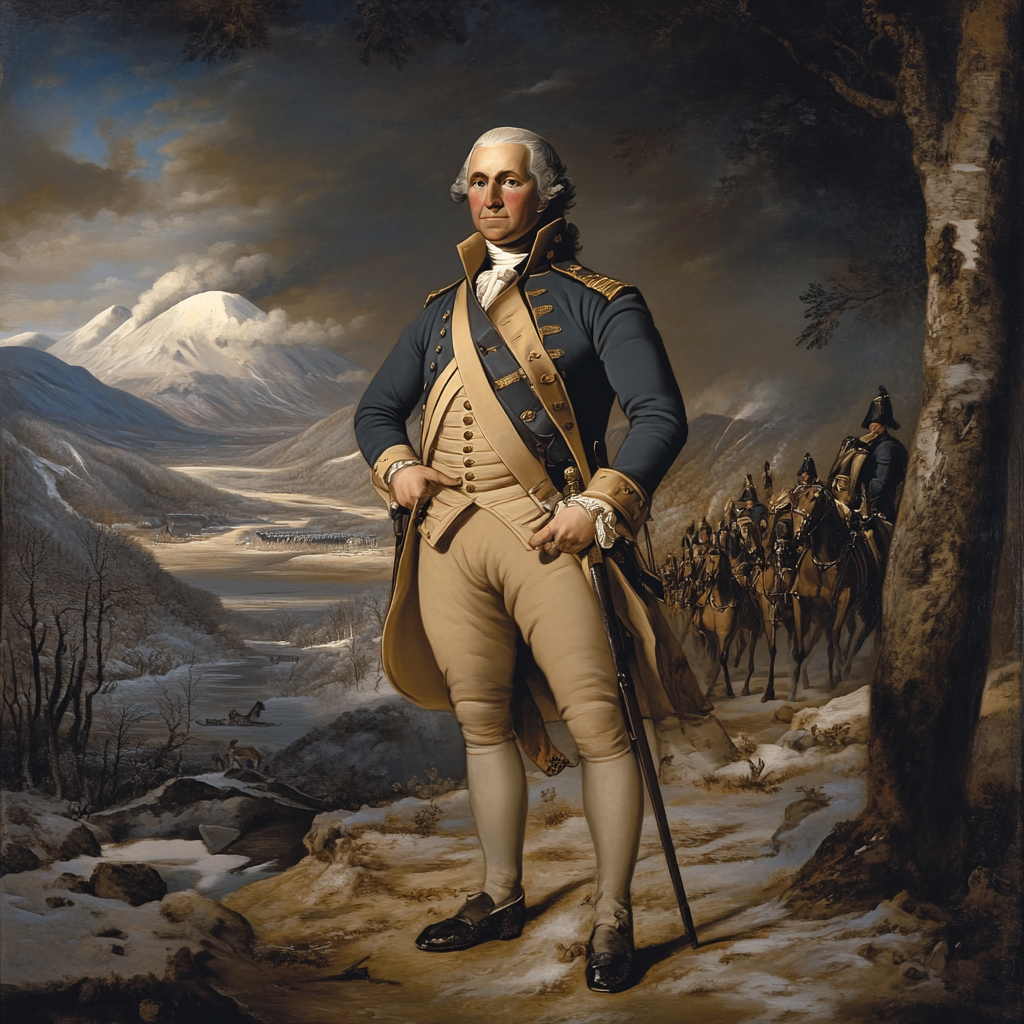
Faced with a poorly equipped and undertrained Continental Army, Washington’s leadership was marked by his relentless commitment to discipline. He understood that for his army to have any chance against the superior British forces, it needed structure, training, and unwavering resilience. Despite the grim conditions at Valley Forge during the winter of 1777-78—marked by extreme cold, disease, and scarce resources—Washington enforced rigorous training regimens led by Baron von Steuben. This disciplined approach transformed his ragtag group of soldiers into a cohesive and formidable force.
Washington himself embodied the discipline he demanded. He stayed with his troops through the harsh winter, sharing their suffering and demonstrating by example that leadership is rooted in sacrifice and consistency. This act of solidarity inspired loyalty and galvanized his army’s morale, showing that discipline not only builds strength but also fosters trust and unity.
Philosopher Epictetus famously said, “No great thing is created suddenly.” Washington’s leadership illustrates this truth. The ultimate victory of the Continental Army was not the result of fleeting moments of brilliance but of sustained discipline over years of hardship and struggle.
The Role of Discipline in Resilience and Leadership
Discipline sharpens resilience. It builds the muscle of commitment, making leaders capable of staying the course through adversity. By embracing what we don’t want to do, we confront not only the task itself but also the internal hesitations that hold us back.
The mark of disciplined leadership is not perfection but persistence. It lies in the small, deliberate acts of showing up, doing the work, and moving forward, even when the easier choice is to step aside. In these acts, we find the power to transform not only ourselves but also those we lead. For discipline inspires trust—it assures others that the leader can and will persevere, setting the example that excellence is built one intentional act at a time.

True discipline, then, is not about what we can do when motivated but what we will do regardless of how we feel. It is a declaration, echoing Washington’s own leadership, that our goals matter more than our comfort. Discipline becomes the cornerstone of meaningful leadership, proving that the greatest victories are won not in moments of ease but through the deliberate endurance of difficulty.
 Mastermind Century Group