

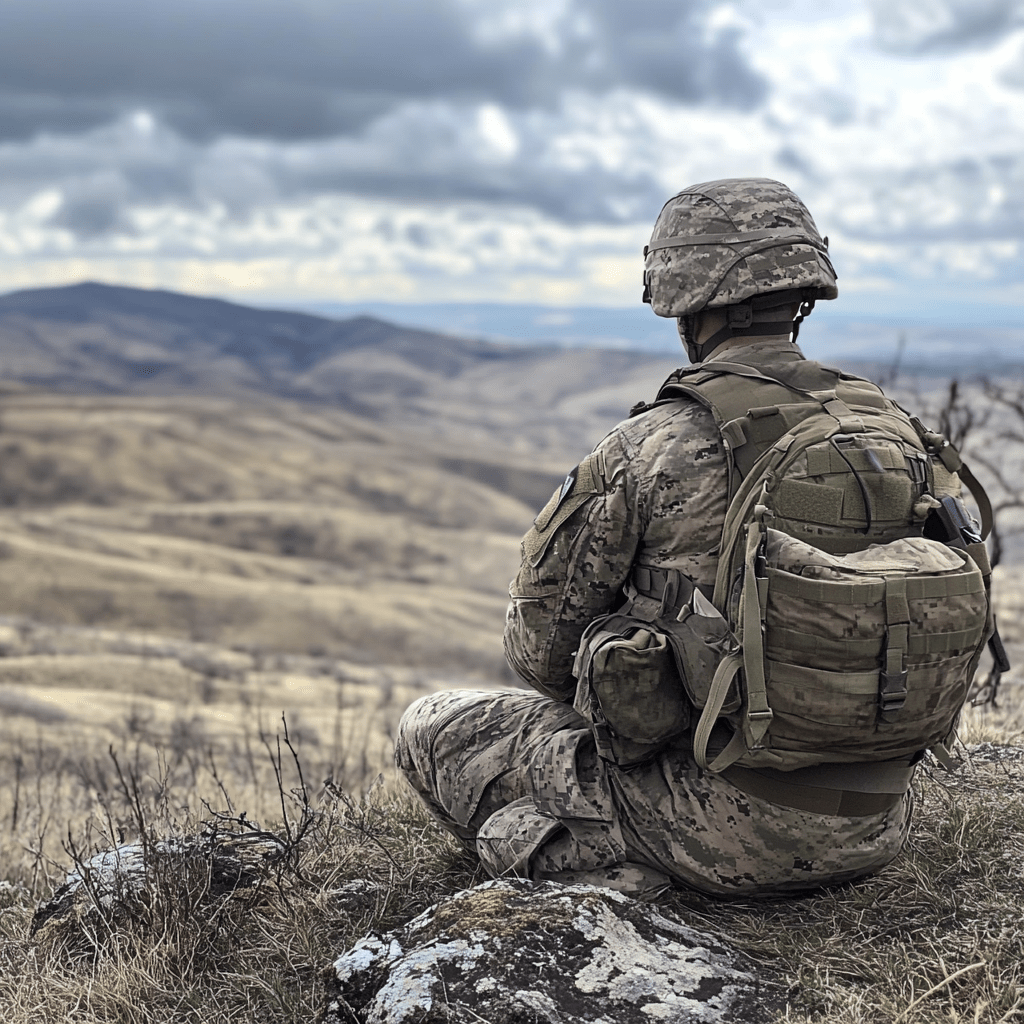
The war in Ukraine has provided critical insights into military strategy, technology, logistics, and geopolitics, with leading institutions like RAND Corporation, the Royal United Services Institute (RUSI), Harvard Kennedy School, ETH Zurich’s Center for Security Studies, and the National Defense University (NDU) actively analyzing these lessons. This conflict is reshaping global defense thinking, and while the Department of Defense (DoD) has been studying the war closely, the integration of these lessons into U.S. Professional Military Education (PME) remains inconsistent.
I came across an article the other day asking the question: Is the US military learning enough from Ukraine? It’s easy to point fingers and assign blame when something falls short in implementation, but true progress often requires us to look inward and ask what we, individually, can do to make a difference. Whether leading an initiative, teaching others, or strategizing solutions, we can actively contribute with the resources and authority we have now. Leading the Innovation Accelerator and teaching within the Innovation Research Task Force (iRTF), I believe in focusing our energy on applying these lessons where we stand. By embedding these insights into our PME framework, AUiX and the iRTF can cultivate a more forward-looking, futures-literate approach that better equips military officers to anticipate and respond to emerging threats. The question becomes: what actionable steps can we take today to make these critical lessons real for our current and future leaders?
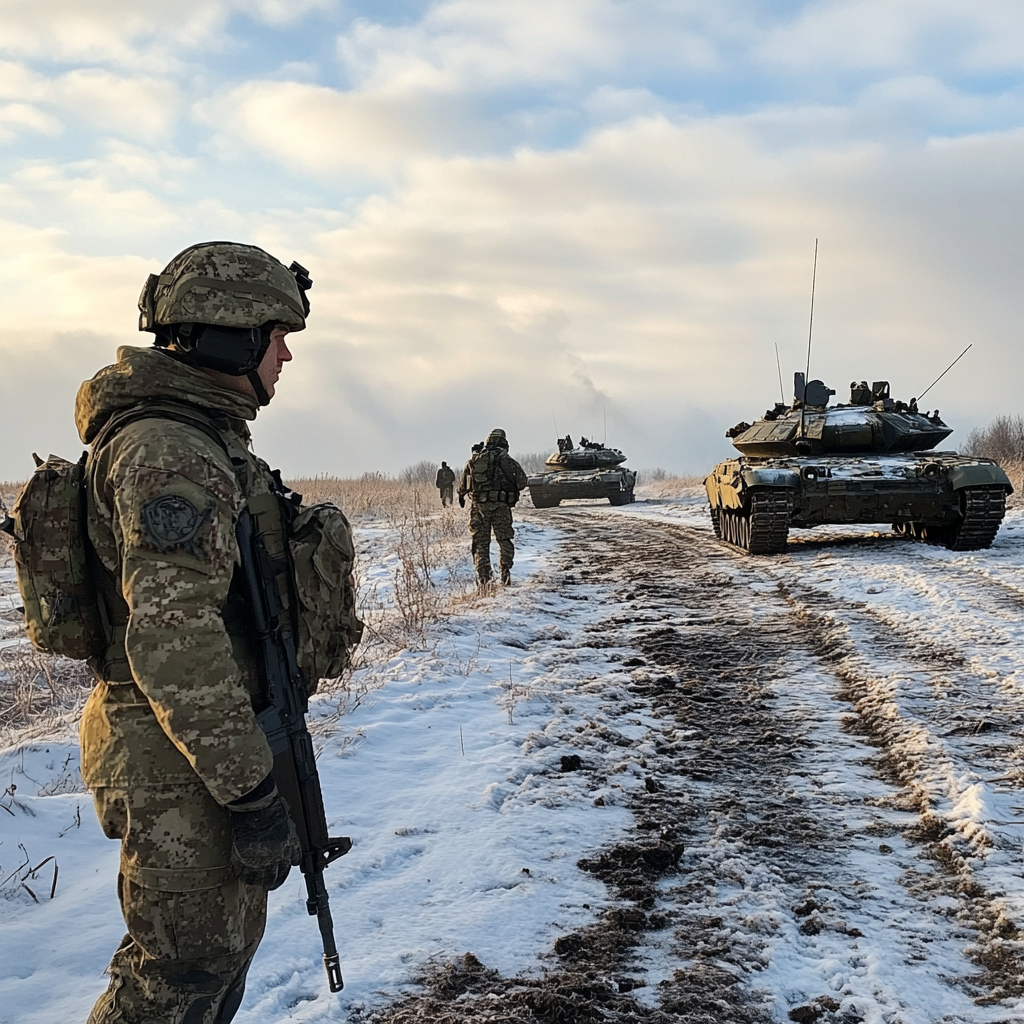
Key Lessons from the Ukraine Conflict
- Modern Warfare’s Complexity and Unpredictability
The conflict reveals the need for flexibility, mobility, and decentralized operations. Ukraine’s success in dispersing assets and leveraging precision weaponry underscores the demand for adaptive combat strategies
Homepage
NDU Press
. - The Growing Role of Uncrewed Systems and Electronic Warfare (EW)
The effectiveness of drones and UAS in Ukraine highlights the critical need for affordable, expendable systems that can provide situational awareness and direct engagement. Additionally, electronic warfare has proven essential for disrupting enemy communications and countering UAS threats, emphasizing the importance of mastering the electromagnetic spectrum
ETH Zürich
Homepage
. - Logistical Preparedness and Sustained Combat
With both sides dependent on large ammunition stockpiles, this war has highlighted the challenges of sustaining long-term operations. The DoD’s current logistical readiness, particularly concerning stockpiling and rapid resupply under combat conditions, needs re-evaluation
Harvard Kennedy School
. - Innovation and Adaptability in Tactics
Ukraine’s rapid adaptation to Russian tactics showcases the importance of agile, innovative thinking at all command levels. Bottom-up innovation, coupled with a willingness to test and adapt new strategies, is vital for success
NDU Press
Homepage
. - Geopolitical and Strategic Adaptation
The conflict has forced a recalibration of alliances and highlighted the strategic complexities of deterrence, especially as nuclear threats loom. Integrating geopolitical analysis into PME would ensure that future leaders understand how military action fits within broader strategic frameworks
Harvard Kennedy School
RAND Corporation
.
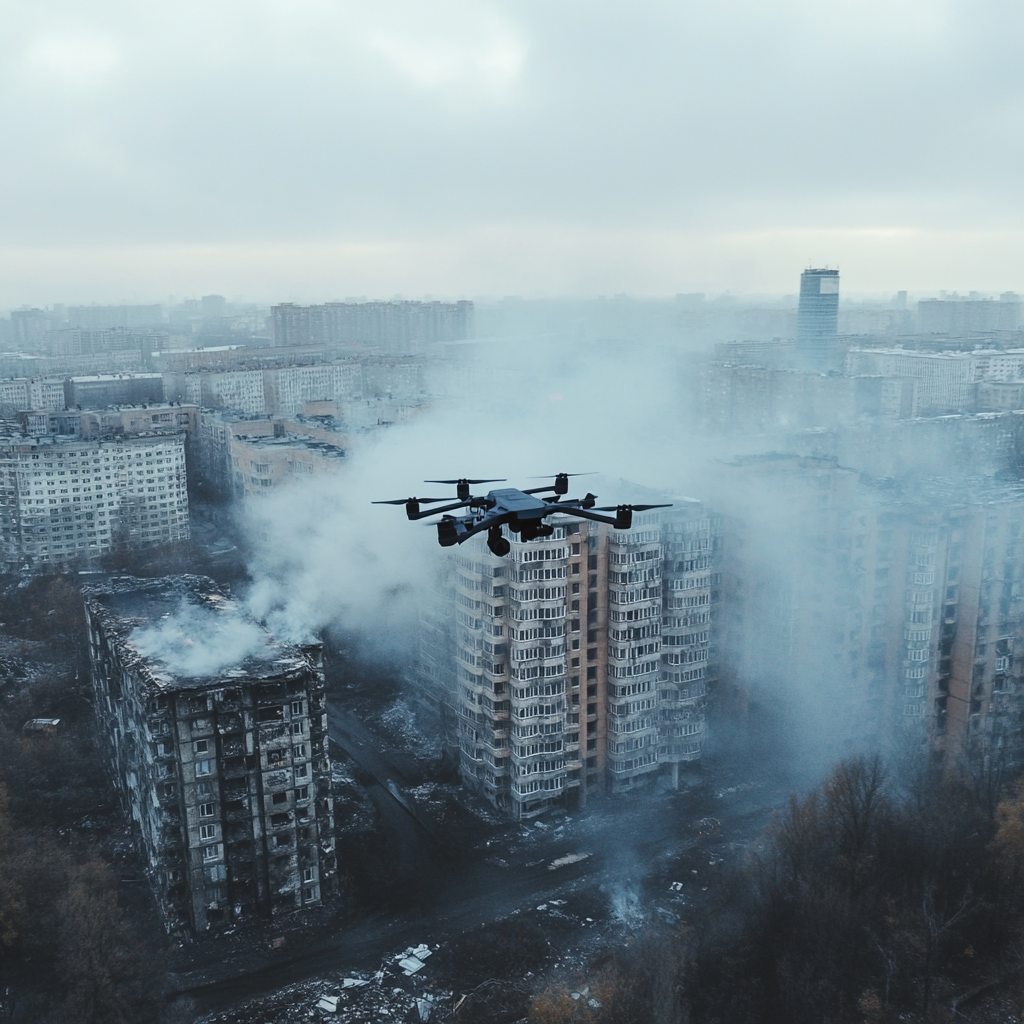
Embedding Ukraine’s Lessons in the iRTF and AUiX Programs
- Cross-Domain and Multi-Domain Operations
By incorporating training that emphasizes joint fires and cross-domain tactics, AUiX and iRTF can better prepare officers to lead in complex environments. Research should focus on refining command and control for inter-domain operations, with training simulations that mimic real-world conditions
Homepage
. - Integration of Uncrewed Systems and EW
Training on tactical and strategic applications of UAS, coupled with hands-on exercises on operating under degraded communications, would ensure that officers are EW-competent and skilled in UAS deployment. AUiX should work with iRTF on advancing counter-UAS and EW research, ensuring resilience in future battlefields
ETH Zürich
. - Enhanced Logistics and Industrial Readiness
Exercises simulating supply chain disruptions and resource shortages would help officers gain practical experience in adaptive logistics. By focusing research on decentralized production technologies, like 3D printing for field use, iRTF could support logistics sustainability during extended conflicts
Harvard Kennedy School
RAND Corporation
. - Cultivating Innovation and Rapid Adaptation
Prototyping workshops and innovation sprints would allow officers to develop, test, and iterate new strategies rapidly. Organizational flexibility research at iRTF could reveal structures and processes that encourage adaptive thinking and readiness for high-stress situations
NDU Press
RAND Corporation
. - Geopolitical and Strategic Awareness
Scenario-based simulations that account for diplomatic, economic, and military pressures would prepare officers to make informed decisions. iRTF research could focus on developing methods for strategic analysis, particularly for regions like the Indo-Pacific
Harvard Kennedy School
Homepage
. - Fostering Resilience and Survivability
Exercises that emphasize asset dispersion, rapid movement, and communications loss would reinforce the importance of resilience under fire. Research on survivable, decentralized operations would enhance leadership capabilities in decentralized settings
Homepage
RAND Corporation
. - Ethics and Leadership in Modern Warfare
Introducing ethical frameworks for deploying AI and autonomous systems would prepare officers to lead responsibly amid rapid technological advancements. iRTF could lead research into ethical decision-making in high-tech warfare
ETH Zürich
.
Possible Endings of the Ukraine Conflict and Future Implications
Experts suggest several outcomes, each with implications for military strategy and PME. A frozen conflict may lead to a demilitarized zone with long-standing borders, while a negotiated settlement could bring peace with concessions, possibly reshaping international security policies
The less likely scenarios of Ukrainian victory or broader conflict escalation would require rapid adaptation to new geopolitical realities
For iRTF and AUiX, understanding these potential outcomes is crucial to fostering futures literacy and preparing officers for various strategic shifts.
Conclusion
The lessons of the Ukraine war—adaptability, logistics, technological integration, and ethical awareness—are essential for modern military education. By embedding these insights into the PME framework at AUiX and iRTF, Air University can cultivate a generation of leaders equipped to anticipate, adapt, and innovate in an era defined by complexity and change.
 Mastermind Century Group