


Gen Mattis: Joint Forces Staff College
Years ago I attended Joint Forces Staff College in Norfolk VA, General Mattis commanded the Joint Forces Command at the time. One afternoon he gave a lecture on the Royal Navy in the Battle of Trafalgar vs the Battle of Jutland and I have pondered that lecture ever since.
Gen Mattis pointed out examining the evolution of military strategy and leadership, the battles of Trafalgar and Jutland offer valuable insights. Trafalgar (1805) and Jutland (1916) were pivotal naval battles that highlighted the contrasting leadership styles and strategic approaches of their respective eras. Similarly, the evolution of the United States Air Force (USAF) from World War II to contemporary conflicts such as the Global War on Terror (GWOT) and potential future conflicts in the Pacific provides an interesting parallel case study in the transformation of military strategy and leadership over time. This thought piece explores these historical and modern contexts, comparing and contrasting leadership styles, strategic outcomes, and institutional dynamics, and considers whether the USAF has already experienced its “Jutland” or if such a moment is yet to come.
Battle of Trafalgar vs. Battle of Jutland
Battle of Trafalgar (1805): The Battle of Trafalgar occurred during the Napoleonic Wars, a series of conflicts between Napoleonic France and various European coalitions. Fought on October 21, 1805, off the coast of Cape Trafalgar, Spain, the battle pitted the British Royal Navy, under Admiral Horatio Nelson, against the combined fleets of France and Spain. The British aimed to prevent Napoleon from invading Britain by securing naval dominance. The battle resulted in a decisive British victory, establishing British naval supremacy and significantly weakening Napoleon’s maritime capabilities.
British Losses:
- Ships: 0/27 ships lost
- Casualties: Approximately 1,700 casualties (including around 449 killed and 1,241 wounded)
Enemy Losses (Franco-Spanish Fleet):
- Ships: 22/33 ships lost (18 captured, 1 destroyed, and 3 scuttled after the battle)
- Casualties: Approximately 13,781 casualties (including around 4,480 killed and 2,500 wounded, with the remainder captured or missing)
- Outcome: Decisive British victory; Admiral Horatio Nelson’s innovative tactics resulted in the destruction of a significant portion of the Franco-Spanish fleet.
- Tactics: Nelson employed unorthodox tactics, breaking the enemy line to induce chaos and maximize the effectiveness of his fleet.
- Significance: This victory established British naval supremacy for over a century, preventing Napoleon from invading Britain.

Battle of Jutland (1916): The Battle of Jutland, fought from May 31 to June 1, 1916, during World War I, was the largest naval battle between the British Royal Navy’s Grand Fleet and the Imperial German Navy’s High Seas Fleet. The battle took place in the North Sea, near the coast of Denmark’s Jutland Peninsula. Both sides aimed to achieve naval dominance and control of the North Sea. While the battle was tactically inconclusive, with both sides claiming victory, it strategically favored the British by confining the German fleet to port for the remainder of the war, thus maintaining British naval blockade and control of crucial sea routes.
British Losses:
- Ships: 14 ships lost (3 battlecruisers, 3 armored cruisers, 8 destroyers)
- Casualties: Approximately 6,784 casualties (including around 6,094 killed and 674 wounded, with 11 taken as prisoners)
German Losses:
- Ships: 11 ships lost (1 battlecruiser, 1 pre-dreadnought battleship, 4 light cruisers, 5 destroyers)
- Casualties: Approximately 3,058 casualties (including around 2,551 killed and 507 wounded)
- Outcome: Tactically inconclusive but strategically a British victory; the German fleet remained confined to port afterward.
- Tactics: Traditional line-of-battle tactics dominated the engagement, reflecting a cautious and methodical approach.
- Significance: Jutland ensured British control of the North Sea and maintained the blockade that contributed to the eventual Allied victory but also raised questions about risk aversion and strategic boldness.
Command Types: Nelson vs. Jellicoe
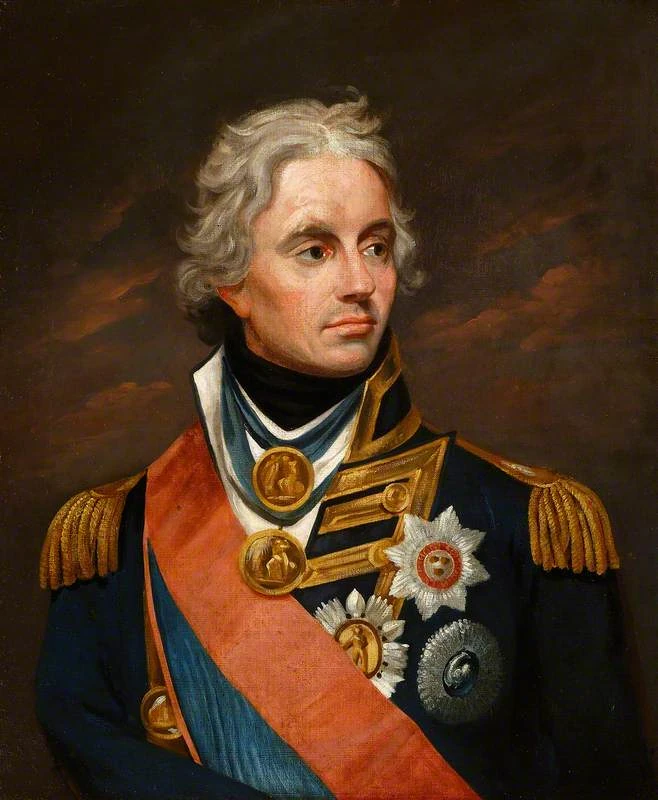
Admiral Horatio Nelson: Admiral Horatio Nelson was a prominent British naval commander known for his bold and innovative tactics during the late 18th and early 19th centuries. Serving during the Napoleonic Wars, Nelson became renowned for his leadership and victories against the French and Spanish fleets. His most famous battle was, of course, the Battle of Trafalgar in 1805, where his unorthodox tactics led to a decisive British victory but resulted in his death. Nelson’s legacy is marked by his strategic brilliance, inspirational leadership, and significant contributions to establishing British naval supremacy.
- Leadership Style: Charismatic and bold, known for his willingness to take calculated risks.
- Tactics: Innovative and aggressive; Nelson’s tactic of breaking the enemy line at Trafalgar disrupted conventional naval warfare norms.
- Personality: Hands-on leader who inspired his men through personal bravery and presence.
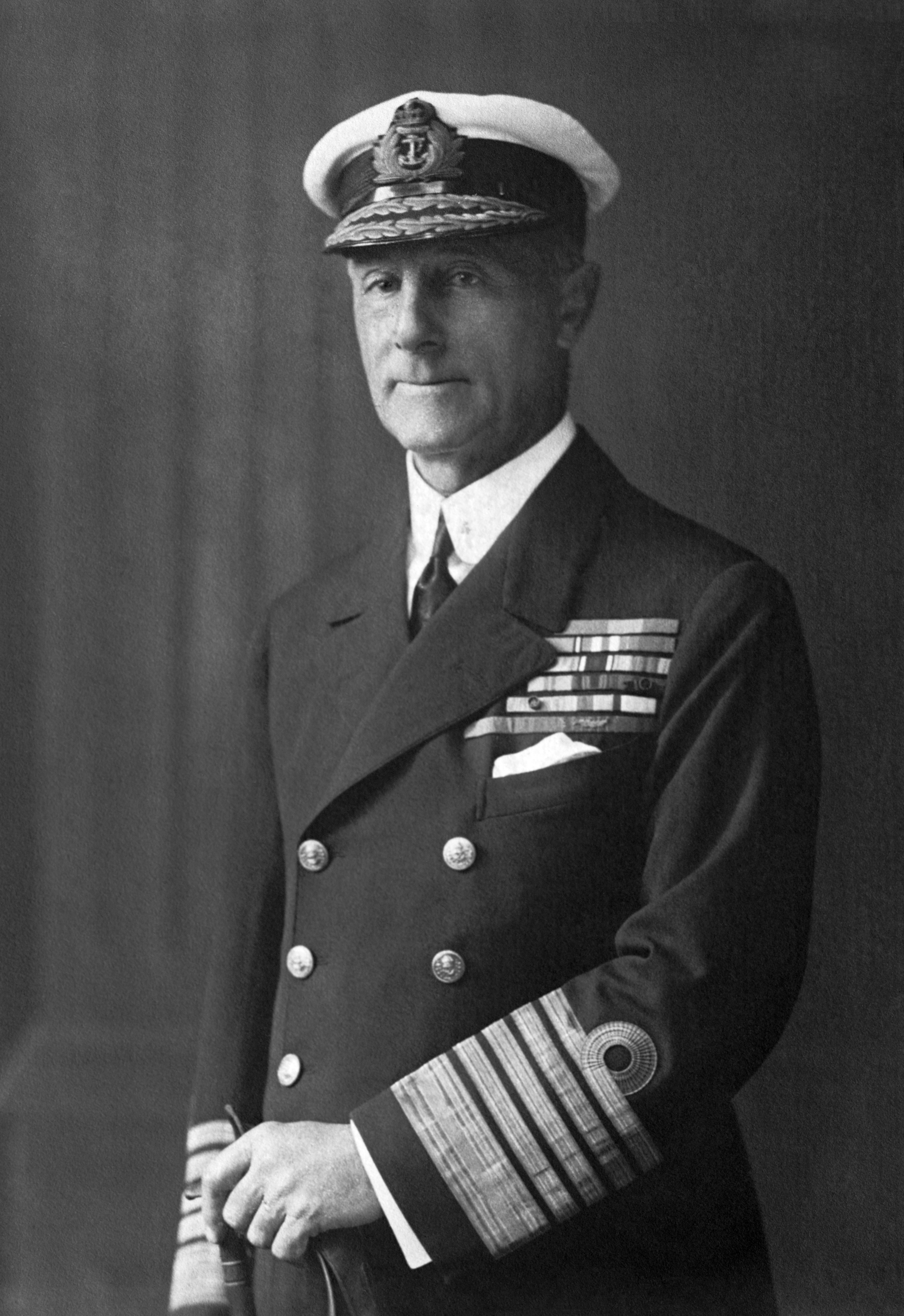
Admiral John Jellicoe: Admiral John Jellicoe was a senior officer in the British Royal Navy who played a crucial role during World War I. As commander of the Grand Fleet, he led the British forces at the Battle of Jutland in 1916, the largest naval battle of the war. Jellicoe’s cautious and methodical approach during the battle aimed to minimize risks and preserve the fleet, resulting in a strategically significant, though tactically inconclusive, outcome. His leadership helped maintain British naval dominance and contributed to the blockade that weakened Germany over time. Jellicoe’s tenure is characterized by his emphasis on strategic stability and fleet preservation.
- Leadership Style: Cautious and methodical, emphasizing fleet preservation.
- Tactics: Adhered to traditional naval tactics, maintaining the line of battle.
- Personality: Bureaucratic and detail-oriented, focusing on minimizing risk and adhering to established protocols.
Structural Influences and Risk Aversion
Nelson’s Era. During Admiral Horatio Nelson’s era, the Royal Navy operated within a structure that encouraged individual initiative and aggressive tactics. The meritocratic system of promotion rewarded boldness and battlefield success, fostering a culture of innovation and daring leadership. This environment enabled commanders like Nelson to implement unorthodox strategies that maximized their tactical advantages. Strategically, Britain was focused on countering Napoleonic France’s expansionist ambitions and safeguarding its own maritime trade routes. The Royal Navy’s decisive victories, exemplified by the Battle of Trafalgar in 1805, were crucial in maintaining British naval supremacy, preventing invasions, and ensuring the nation’s economic and military security during a time of intense geopolitical rivalry.
- Structure: The Royal Navy of Nelson’s time encouraged individual initiative and aggressive tactics.
- Development: Nelson’s rise through the ranks was influenced by a meritocratic system that rewarded boldness and battlefield success.
- Pax Britannica: Following Trafalgar, the Royal Navy became the dominant global maritime force, leading to a period of relative peace and stability on the seas.
Jellicoe’s Era: In Admiral John Jellicoe’s era, during World War I, the Royal Navy had evolved into a highly bureaucratic institution with rigid command structures. This environment emphasized caution, detailed planning, and the preservation of naval assets, leading to a more risk-averse approach. The focus was on maintaining Britain’s naval blockade of Germany and ensuring control over crucial sea routes, which were vital for sustaining the war effort and economic stability. Strategically, Britain sought to prevent the German High Seas Fleet from breaking out into the Atlantic, which was crucial for maintaining Allied supply lines and exerting pressure on Germany. Jellicoe’s cautious tactics at the Battle of Jutland in 1916 reflected these priorities, aiming to avoid unnecessary losses while securing long-term strategic advantages for Britain.
- Structure: By World War I, the Royal Navy had become a highly bureaucratic institution with rigid command structures.
- Development: Officers like Jellicoe emerged from a system that valued caution and the preservation of naval assets.
- Risk Aversion: The transition to Pax Britannica led to a more conservative approach, emphasizing dominance through overwhelming force rather than daring tactics.
Comparing AirPower in WWII to Trafalgar
AirPower in WWII:
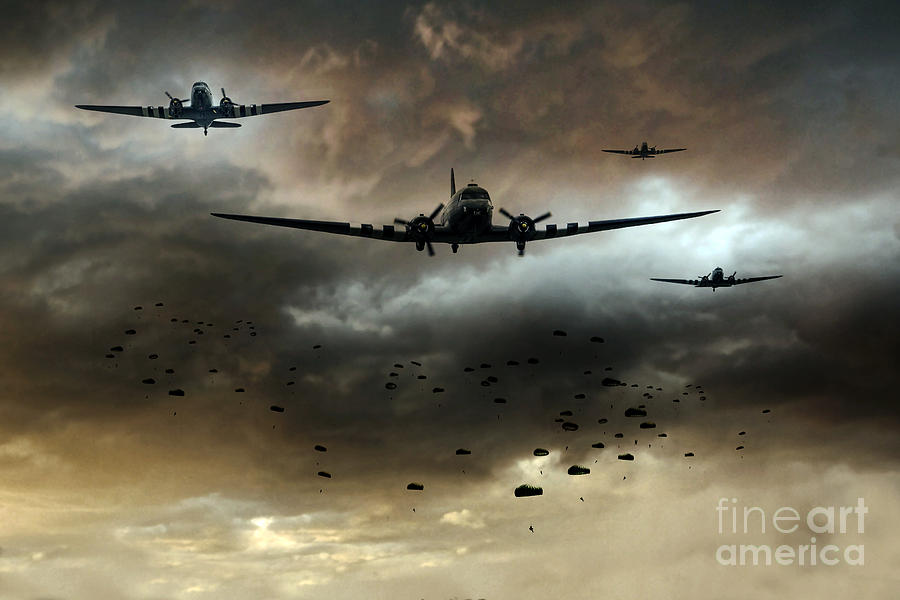
- Context: The use of strategic bombing, air superiority missions, and innovative air tactics during World War II established the United States as a dominant air power.
- Outcome: Decisive Allied victory; air power played a crucial role in achieving strategic objectives.
- Tactics: Leaders like Hap Arnold and Jimmy Doolittle demonstrated bold and innovative leadership, akin to Nelson’s at Trafalgar.
- Significance: The success of the USAF in WWII ensured American air dominance and shaped the future of global military strategy.
Possible USAF’s Jutland Equivalent–Where/When?
Vietnam War:

- Context: Prolonged conflict with extensive air campaigns (Operation Rolling Thunder, Linebacker I and II).
- Outcome: Despite significant efforts and resources, the air campaigns did not achieve the desired strategic outcomes.
- Tactics: Conventional bombing campaigns, heavy reliance on traditional air power.
- Leadership: Mixed; some bold initiatives (e.g., Linebacker II), but overall cautious and constrained by political and strategic limitations.
- Significance: Raised questions about the efficacy of strategic bombing and air power in achieving political objectives, highlighting the limitations of air power in complex conflicts.
Potential Future Conflict in the Pacific:
- Context: Rising tensions with China over issues such as Taiwan, South China Sea, and regional dominance. Potential for large-scale conventional and naval engagements.
- Outcome: Uncertain, with the potential for a significant, decisive engagement that could shape future strategic dynamics in the region.
- Tactics: Likely to involve advanced air and naval capabilities, cyber warfare, space-based assets, and integrated joint operations. Emphasis on technological superiority and strategic positioning.
- Leadership: Would require bold, adaptive, and innovative leadership to navigate complex geopolitical and military challenges. Risk of cautious and risk-averse approaches due to high stakes and potential for significant losses.
Analysis of Leadership and Institutional Dynamics
Early Leaders:
- Warrior Spirit: Leaders like Billy Mitchell, Hap Arnold, and Jimmy Doolittle embodied the warrior ethos, willing to take significant risks to achieve strategic breakthroughs and demonstrate the value of air power.
- Cultural Product: They were products of a time when the USAF was still establishing its identity and capabilities, encouraging bold, decisive action to shape its future.
Modern Leaders:
- Bureaucratic Approach: Current USAF leaders often operate within a more bureaucratic and risk-averse environment, focusing on strategic stability and the integration of advanced technologies.
- Structural Influence: The bureaucratic nature of the modern USAF, with its emphasis on data-driven decision-making and the preservation of high-value assets, can constrain individual initiative and foster a more conservative mindset.
Thoughts
AirPower in WWII (D-Day) as Trafalgar:
- WWII established the USAF as the dominant air force, similar to how Trafalgar established British naval supremacy.
- Innovative tactics and bold leadership were key to this dominance.
Vietnam as Jutland:
- The Vietnam War can be seen as the USAF’s Jutland, demonstrating the limitations of air power in achieving strategic goals in asymmetric warfare. Leadership has been characterized by a cautious, risk-averse approach focused on precision and minimizing collateral damage.
GWOT as Jutland:
- The GWOT can also be seen as the USAF’s Jutland, highlighting the challenges of achieving long-term strategic goals through air power alone in asymmetrical and insurgency-based conflicts. Leadership has been generally cautious, emphasizing precision and risk management.
Potential Pacific Conflict as Jutland:
- The potential for a future conflict in the Pacific to become the USAF’s Jutland is significant. Such a conflict would test the USAF’s capabilities and leadership in a high-stakes, technologically advanced environment. The outcome could shape global strategic dynamics and the future of air power.
In both historical and modern contexts, the evolution of military strategy and leadership underscores the cyclical nature of bold innovation and cautious reassessment. The battles of Trafalgar and Jutland, along with the experiences of the USAF from WWII to contemporary conflicts, highlight the ongoing tension between the need for decisive, visionary leadership and the demands of maintaining strategic stability in an increasingly complex and interconnected world.
The USAF as the Greatest Air Force and Parallels to the Royal Navy
The USAF is often regarded as the greatest air force the world has ever seen, much like the British Royal Navy in its era of dominance. Several factors contribute to this status, including technological superiority, extensive resources, strategic reach, and a history of successful engagements. However, the parallels to the Royal Navy under Jellicoe suggest that maintaining this preeminence involves certain structural and strategic challenges.
Technological and Strategic Superiority:
- Technological Edge: The USAF’s technological advancements in stealth, precision-guided munitions, drones, and cyber capabilities ensure its dominance in modern warfare.
- Global Reach: With the ability to project power anywhere in the world, the USAF plays a critical role in both deterrence and active combat operations.
- Historical Success: Like the Royal Navy, the USAF has a history of decisive victories, from World War II through to contemporary conflicts, establishing its reputation and strategic importance.
Structural Influences and Risk Aversion:
- Bureaucratic Evolution: As with the Royal Navy in Jellicoe’s time, the USAF has evolved into a highly structured and bureaucratic institution. This can foster a more cautious approach to operations, emphasizing the preservation of advanced assets and minimizing risks.
- Strategic Priorities: The strategic environment today requires the USAF to maintain air superiority, protect global trade routes (through air transport), and support ground operations, paralleling the Royal Navy’s objectives of maintaining sea control and blockading enemy fleets.
- Leadership Dynamics: Modern USAF leaders must balance innovation with strategic caution, similar to Jellicoe’s challenge of managing a powerful but vulnerable fleet in a high-stakes environment.
Potential Challenges:
- Complex Conflicts: Just as the Royal Navy faced the challenge of the German High Seas Fleet, the USAF must contend with rising powers like China and Russia, who are developing advanced air and missile capabilities.
- Asymmetrical Threats: The USAF’s engagements in asymmetric warfare, such as in the Global War on Terror, highlight the limitations of conventional air power in achieving strategic goals, akin to the Royal Navy’s challenges during World War I.
Maintaining Dominance:
- Adaptability: To remain the greatest air force, the USAF must continue to innovate and adapt to new forms of warfare, much like the Royal Navy had to evolve with changing naval technology and tactics.
- Strategic Balance: The USAF must strike a balance between bold, innovative strategies and the cautious preservation of its advanced assets, learning from the lessons of both Trafalgar and Jutland.
The USAF’s status as the greatest air force mirrors the Royal Navy’s historical dominance. Both institutions achieved their preeminence through technological superiority, strategic reach, and a history of successful engagements. However, maintaining this dominance involves navigating structural and strategic challenges. The evolution towards a more bureaucratic and risk-averse approach, as seen in the Royal Navy during Jellicoe’s era, can be paralleled in the modern USAF. To sustain its leading position, the USAF must continue to innovate, adapt, and balance bold strategies with cautious asset preservation, learning from both its own history and that of its naval predecessor.
 Mastermind Century Group