


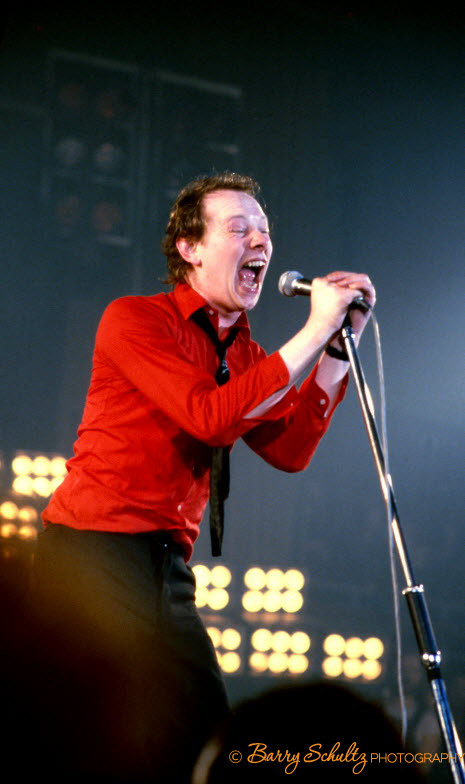
As a fan of Joe Jackson since the early 1980s, I’ve witnessed the remarkable range of his music, spanning genres like punk, new wave, jazz, and pop. His song “I’m the Man” particularly stands out for its mix of humor and sharp social commentary. This track, with its witty lyrics and energetic rhythm, exemplifies Jackson’s unique style and his ability to blend satirical content with catchy tunes. Analyzing “I’m the Man” offers insights into not only Jackson’s musical talents but also his observations on the music industry and consumer culture of the late 70s and early 80s. This exploration provides a deeper understanding of the song’s enduring appeal and Joe Jackson’s place in music history.
WHO?

Joe Jackson, born David Ian Jackson on August 11, 1954, in Burton upon Trent, Staffordshire, England, is a renowned English musician, singer, and songwriter. He grew up in Portsmouth, Hampshire, and was initially trained in classical music. Jackson gained popularity with his 1979 hit “Is She Really Going Out with Him?” and is recognized for his contributions to the new wave genre. He further expanded his musical style to include jazz-inflected pop, achieving a top 10 hit in 1982 with “Steppin’ Out.” Jackson’s involvement in the 1980s Second British Invasion of the US is notable, and he has also composed classical music. Over his career, he has recorded 20 studio albums and received five Grammy Award nominations. His distinct style, blending elements of rock, pop, new wave, jazz, and classical genres, has marked him as a versatile and influential figure in the music industry.
THE SONG
“I’m the Man” is a song by Joe Jackson, an English musician and singer-songwriter. It was released as the title track of his second album, “I’m the Man,” in 1979. The album followed his successful debut album, “Look Sharp!” Both albums are part of the late 1970s and early 1980s new wave music scene.
The song “I’m the Man” is known for its energetic, punk-influenced sound and satirical lyrics. Joe Jackson’s work during this period is often characterized by sharp, witty lyrics that blend pop and punk elements. This song, in particular, is seen as a satirical take on consumerism and the commercial music industry, with Jackson adopting a brash, cocky persona to mock the notion of a music “star” who is more product than artist.
Musically, it’s representative of the new wave style, which combined elements of punk’s energy and attitude with more sophisticated musical arrangements and production. Joe Jackson’s music, especially in his early career, exemplified this blend, appealing to both pop and rock audiences.
The late 1970s were a period of transition and experimentation in popular music, with the decline of disco and the simultaneous rise of punk, new wave, and post-punk genres. Artists like Joe Jackson were at the forefront of this change, bringing a new sensibility to pop music that was both critically acclaimed and commercially successful.
“I’m the Man” remains an important part of Joe Jackson’s discography and is often cited as a classic example of the new wave genre.
The song “I’m the Man” by Joe Jackson, despite its energetic style and sharp lyrics, did not achieve significant chart success. It was released as the lead single from his album of the same name in 1979. While the song reached number 23 in Canada, it failed to chart in both the United States and the United Kingdom, which was a source of frustration for Jackson. This was in contrast to the album’s follow-up single, “It’s Different for Girls,” which became a top 10 hit in the UK and performed better commercially.
The album “I’m the Man” itself, however, received more success. It reached number 12 on the UK Albums Chart and number 22 on the US Billboard 200. In Canada, the album was particularly successful, earning a Gold certification.
Joe Jackson’s approach with “I’m the Man” was seen as a continuation of the style he established in his debut album, “Look Sharp!.” It represented the New Wave sound of the late 1970s and was filled with short, sharp pop-punk tracks. Despite the single’s lower commercial performance, “I’m the Man” (the song) has been recognized for its energetic rhythm and is considered an important part of Joe Jackson’s discography.
Let’s break the lyrics down… what’s Joe talking about?
Pretty soon now
Why ‘know I’m gonna make a comeback
And like the birds and the bees in the trees
It’s a sure-fire smash
I’ll speak
To the masses throughout the media
And if you got anything to say to me
You can say it with cash
‘Cause I got the trash and you got the cash
So baby we should get along fine
So give me all your money
Cause I know you think I’m funny
Can’t you hear me laughing
Can’t you see me smile
Jackson adopts a satirical tone above in commenting on the commercialization of the music industry in good Punk Fashion.
The lines “I got the trash and you got the cash, so baby we should get along fine” is a cynical view of the relationship between artists and their audiences, where artistic integrity is often less valued than financial gain. The song portrays the artist as someone who is willing to sell out for money, highlighting the transactional nature of the entertainment industry. Jackson’s lyrics blend humor with sharp social commentary, and this song is a prime example of his style, mocking the idea of selling out for commercial success.
Joe goes on to say…
I’m the man
I’m the man that gave you the hula-hoop
I’m the man
I’m the man that gave you the yo-yo
Hula-Hoop
Ah, the hula-hoop…and its history—totally fascinating, combining ancient traditions with (somewhat) modern commercial success:
- Ancient Origins: The concept of hooping has been around for thousands of years. Ancient Greeks used hooping as a form of exercise to tone the body, particularly the hips and abdomen. Similar hoop activities were found in various cultures around the world, including in ancient Egypt and among Native American tribes.
- 19th Century: In the early 19th century, British sailors witnessed hula dancing in the Hawaiian Islands, and the hooping motion reminded them of the hula dance. This association led to the term “hula hoop.”
- 1950s – Commercialization: The modern hula hoop was popularized and commercialized in 1958 by Richard Knerr and Arthur “Spud” Melin, founders of the toy company Wham-O. They marketed a plastic version of the hoop, capitalizing on the post-World War II consumer boom and the emerging interest in fitness and leisure activities.
- Global Craze: After its introduction, the hula hoop quickly became a worldwide sensation. It was an affordable and fun toy that appealed to children and adults alike. In its first year, Wham-O sold over 25 million hoops. The hula hoop craze was a phenomenon, with hooping contests and demonstrations becoming common.
- 1960s Onwards: The initial craze of the hula hoop died down after the 1960s, but it never completely disappeared. It has seen periodic revivals in popularity, often associated with fitness and exercise trends. The hula hoop remains a staple in physical education classes and is used in various workout routines for its benefits in improving coordination, flexibility, and core strength.
- Modern Variations and Uses: Today, hula hooping has expanded beyond a child’s toy into the realms of fitness and even performance art. Weighted hoops are used for exercise, and LED hoops have become popular in festivals and performances. Hooping has become a part of the flow arts community, incorporating dance and acrobatic elements.
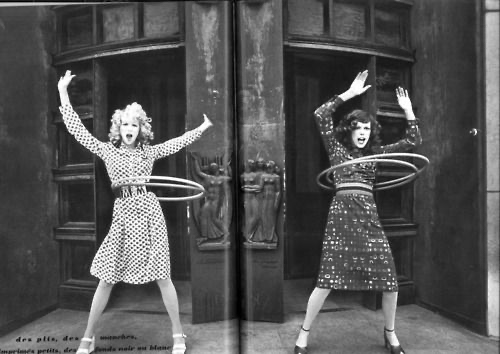
The hula hoop’s enduring popularity demonstrates its appeal as a simple yet versatile tool for fun, exercise, and artistic expression. Its journey from ancient activity to a staple of modern culture highlights the enduring human love for play and movement.
Yo-Yo
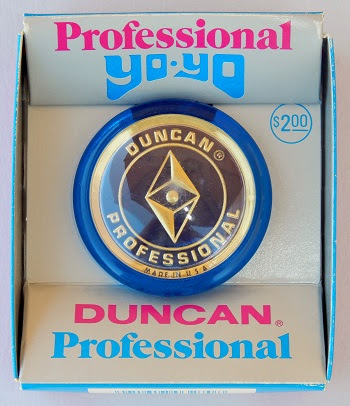
AND… the yo-yo, it seems all Gen-Xers have to recall Duncan…if you were super cool, you had a Duncan Professional…
Any Duncan yo-yo is a classic toy with a rich history, and its popularity in the 1970s is a notable chapter in its story. The Duncan Toy Company, founded by Donald F. Duncan Sr., played a pivotal role in popularizing yo-yos in the United States and across the world.
In the 1970s, Duncan yo-yos enjoyed a resurgence in popularity, attributed to several factors:
- Marketing and Promotion: Duncan was renowned for its marketing strategies. The company often held competitions and demonstrations, attracting children and teenagers. These events were not only entertaining but also showcased the potential of what could be done with a yo-yo, inspiring many to learn and master various tricks.
- Variety of Models: During this era, Duncan introduced a range of yo-yos designed to appeal to different skill levels and preferences. This included models made from various materials, designs, and colors, catering to a broader audience and keeping the interest alive.
- Cultural Trends: The 1970s was a time of diverse cultural trends, and toys like the yo-yo fit well into the era’s playful and experimental spirit. The yo-yo was seen as both a fun toy and a form of skillful expression, akin to other skill toys like skateboards or frisbees.
- Nostalgia and Revival: For many adults, yo-yos were a nostalgic item from their childhood, which they introduced to their own children. This generational bridge helped maintain the yo-yo’s popularity.
- Educational and Competitive Aspects: Yo-yoing was not just about play; it involved skill, practice, and coordination. Schools and community groups sometimes incorporated yo-yos into activities and competitions, further bolstering their appeal.
The 1970s were a significant time for Duncan and the yo-yo, helping to cement its status as a timeless toy. Despite the rise of electronic and digital entertainment in later years, the yo-yo has retained a place in popular culture, thanks in part to the groundwork laid during this decade.
Jackson goes on to mention Kung-Fu, skateboards, and Jaws…
Kung fu
That was one of my good ones
Well what’s a few broken bones
When we all know it’s good clean fun
Skateboards
I’ve almost made them respectable
You see I can’t always get through to you
So I go for your son
I had a giant rubber shark
And it really made a mark
Didja looka looka lookit alla blood
Give me all your money
Cause I know you think I’m funny
Can’t you hear me laughing
Can’t you see me smile
Kung fu:
During the time when “I’m the Man” was released (1979), Kung Fu was an incredibly popular cultural phenomenon in the West, largely due to the influence of martial arts movies and the television show “Kung Fu” starring David Carradine.
In the context of the song, Joe Jackson is uses “Kung Fu” as an example of a trendy cultural fad. By saying “Well, that was one of my good ones,” Joe’s adopting the persona of someone who’ owns for these trends, boasting about creating or popularizing them. It’s a tongue-in-cheek way of commenting on how the entertainment industry often jumps on bandwagons and exploits trends for profit, regardless of their artistic value or longevity.
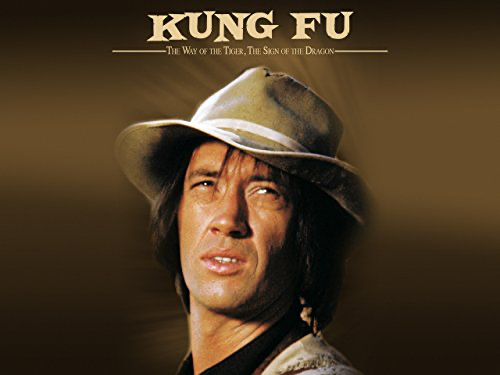
I’m old… but remember all the Kung fu lunch boxes…. In the 1970s, Kung Fu experienced a significant surge in popularity in Western culture, largely due to several key influences from television, music, and cinema. This period saw a fusion of Eastern martial arts with Western pop culture, leading to a widespread fascination with Kung Fu. Here are some of the major influences:
- TV Show “Kung Fu” (1972-1975): This American television series was a crucial factor in popularizing Kung Fu in the West. Starring David Carradine as Kwai Chang Caine, a Shaolin monk traveling through the American Old West, the show combined elements of Eastern philosophy and martial arts with Western genres. Its portrayal of martial arts, along with its philosophical and moral themes, captured the imagination of American audiences.
- “Kung Fu Fighting” by Carl Douglas (1974): This song became a massive hit, topping charts worldwide. Its catchy tune and lyrics, along with its incorporation of Kung Fu-themed music and sounds, played a significant role in bringing the concept of Kung Fu into the mainstream music scene. The song’s popularity reflected and further fueled the growing interest in martial arts in Western pop culture.
- Hong Kong Phooey (1974): This animated television series was another reflection of the Kung Fu craze. The show featured a mild-mannered dog named Penry who, upon hearing a distress call, would transform into the martial arts superhero Hong Kong Phooey. The series was a humorous take on the Kung Fu genre and was popular with children.
- Bruce Lee and Martial Arts Movies: Bruce Lee, a martial arts icon, also played a pivotal role in popularizing Kung Fu in the West during the early 70s. Movies like “Enter the Dragon” (1973) were hugely successful and introduced Western audiences to the art and philosophy of Kung Fu. Lee’s charisma and martial arts prowess had a lasting impact on Western perceptions of Asian martial arts.
- Cultural Context: The 1970s were a time of cultural exploration and experimentation in the West. People were increasingly interested in Eastern philosophies and practices, including martial arts like Kung Fu. This interest was part of a broader trend of seeking alternative lifestyles and philosophies, which was prevalent during that era.
Skateboards:
“Skateboards, I’ve almost made them respectable” is another instance of the song’s satirical commentary. Through these lyrics, Joe continues to embody the character who claims to be a trendsetter or a commercial mastermind behind popular youth trends, including skateboards.
In the 1970s, skateboarding was undergoing a significant transformation and was beginning to be seen more as a legitimate sport and less as a childish pastime. This period was crucial in the evolution of skateboarding culture. With brands like GT, Huffy, and Continental fitting into this context:

- Evolution of Skateboarding: The 1970s saw the transformation of skateboarding from a sidewalk surfing hobby to a more serious sport. This change was driven by advancements in skateboard technology, such as the introduction of urethane wheels, which allowed for greater maneuverability and tricks.
- Skateboard Brands: Brands like GT (Gordon & Smith), Huffy, and Continental were part of this emerging skateboard scene. These companies began to manufacture and market skateboards that were significantly better in quality and performance compared to the earlier clay or metal-wheeled boards.
- Skateboarding Culture: The 70s also saw the birth of modern skateboarding culture. With the advent of skate parks and the rise of professional skateboarding competitions, the sport began to gain legitimacy and a dedicated following. Magazines and media dedicated to skateboarding started to appear, further promoting the sport and its culture.
- Mainstream Recognition: By the mid to late 70s, skateboarding was becoming increasingly mainstream. It was no longer just a fringe activity but was starting to be recognized as a legitimate sport and an important part of youth culture.
In the context of Joe Jackson’s lyrics, the reference to making skateboards “respectable”is a tongue-in-cheek boast about being responsible for the growing acceptance and popularity of skateboarding among the general public. It reflects the trend of the music and entertainment industry to adopt and commercialize youth subcultures.
JAWS!!!
…. “had a giant rubber shark and it really made a mark” in Jackson’s “I’m the Man” is indeed a nod to the film “Jaws.” Released in 1975, directed by Steven Spielberg and based on the 1974 novel by Peter Benchley, “Jaws” had a monumental impact on both cinema and popular culture.
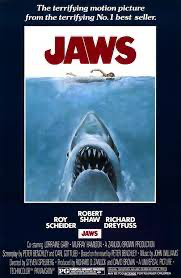
- Impact on Cinema: “Jaws” is widely regarded as the first modern blockbuster. Its success changed how movies were made and marketed. It was one of the first films to receive a wide release across the country (instead of a gradual rollout) and was accompanied by an extensive advertising campaign, especially on television. This approach set a new standard for movie distribution and marketing.
- Financial Success: “Jaws” was a massive financial success. It became the highest-grossing film of all time until the release of “Star Wars” in 1977. Its profitability demonstrated the potential of the summer blockbuster and influenced the types of films studios were willing to invest in.
- Cultural Influence: The film had a significant cultural impact. It not only influenced the public’s perception of sharks, leading to a heightened fear and fascination with them, but it also became a part of the cultural lexicon. Phrases like “You’re gonna need a bigger boat” became widely recognized references.
- Advancements in Filmmaking: “Jaws” was notable for its technical achievements, particularly the use of mechanical sharks (the “giant rubber shark”) which, despite causing numerous problems during production, contributed to the film’s intense and realistic portrayal of the shark attacks. The film’s use of suspense and its iconic soundtrack also set new standards for thriller and horror films.
- Influence on the Book Industry: Peter Benchley’s novel “Jaws” was a bestseller even before the film’s release, but the movie’s success further boosted its popularity. The novel and the film together sparked a trend of similar horror and adventure stories involving nature’s terrors.
- Sequels and Merchandise: The success of “Jaws” led to a series of sequels and an array of merchandise, from toys and games to clothing, demonstrating the commercial potential of film franchising.
In the context of Joe Jackson’s song, the reference to “Jaws” and its “giant rubber shark” is simply another satirical nod to how entertainment trends and big hits, like “Jaws,” can leave a lasting impression (“really made a mark”) on popular culture and consumer behavior.
Right now
I think I’m gonna plan a new trend
Because the line on the graph’s getting low
And we can’t have that
And you think you’re immune
But I can sell you anything
Anything from a thin safety pin
To a pork pie hat
Cause I got the trash and you got the cash
So baby we should get along fine
So give me all your money
Cause I know you think I’m funny
Can’t you hear me laughing
Can’t you see me smile
Commercial Music:
“Because the line on the graph’s getting low and we can’t have that” reflects the song’s overarching theme of satirizing the commercial and profit-driven aspects of the entertainment industry.
- Concern for Profits: The “line on the graph” obviously refers to a sales/profit graph. In a business context, a declining line on a graph indicates falling sales, profits, or market interest. The phrase “we can’t have that” is the sense of urgency about the decline, highlighting the priority given to maintaining profitability and success in the commercial world.
- Pressure to Maintain Success: This line is a commentary on the constant pressure within the entertainment and music industry to keep producing hits and stay commercially viable. There’s an implicit critique of how artistic and creative endeavors are often tertiary to the financial bottom line.
- Trend Dependency: The entertainment and fashion industries are notoriously trend-driven, with success often hinging on the ability to capitalize on or create the next big thing. Jackson captures the anxiety of needing to continuously generate trends and consumer interest to keep the “line on the graph” from dropping, emphasizing the relentless nature of these markets.
- Satirical Take on Industry Practices: In keeping with his satirical tone, Jackson takes a wry observation of how commercial interests often dictate the direction of the entertainment industry, sometimes at the expense of authenticity or artistic integrity.
Fashion:
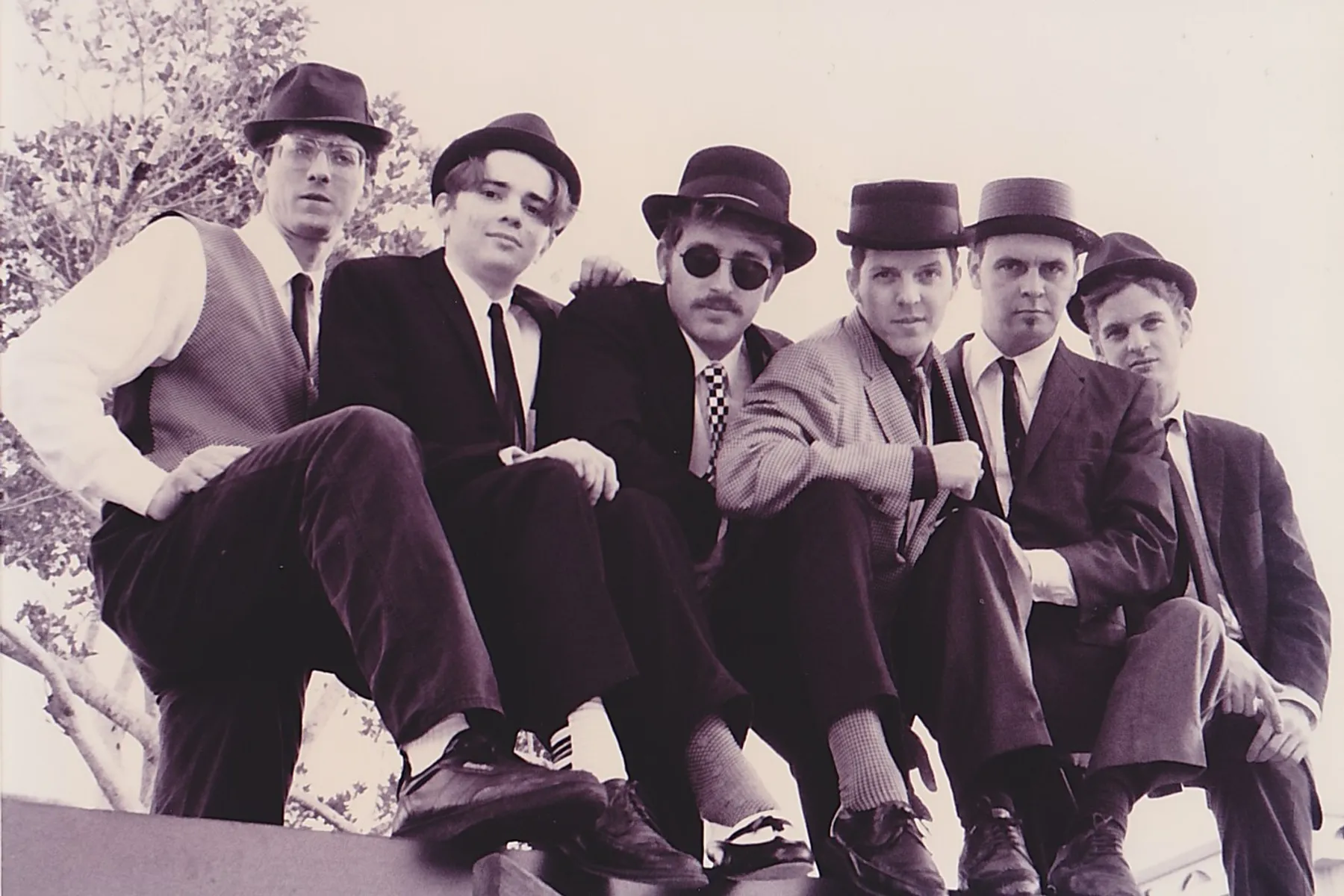
“Anything from a thin safety pin to a pork pie hat” is part of the satirical commentary on consumerism and the tendency of the music and fashion industries to turn virtually anything into a trend or a fashion statement.
Consider:
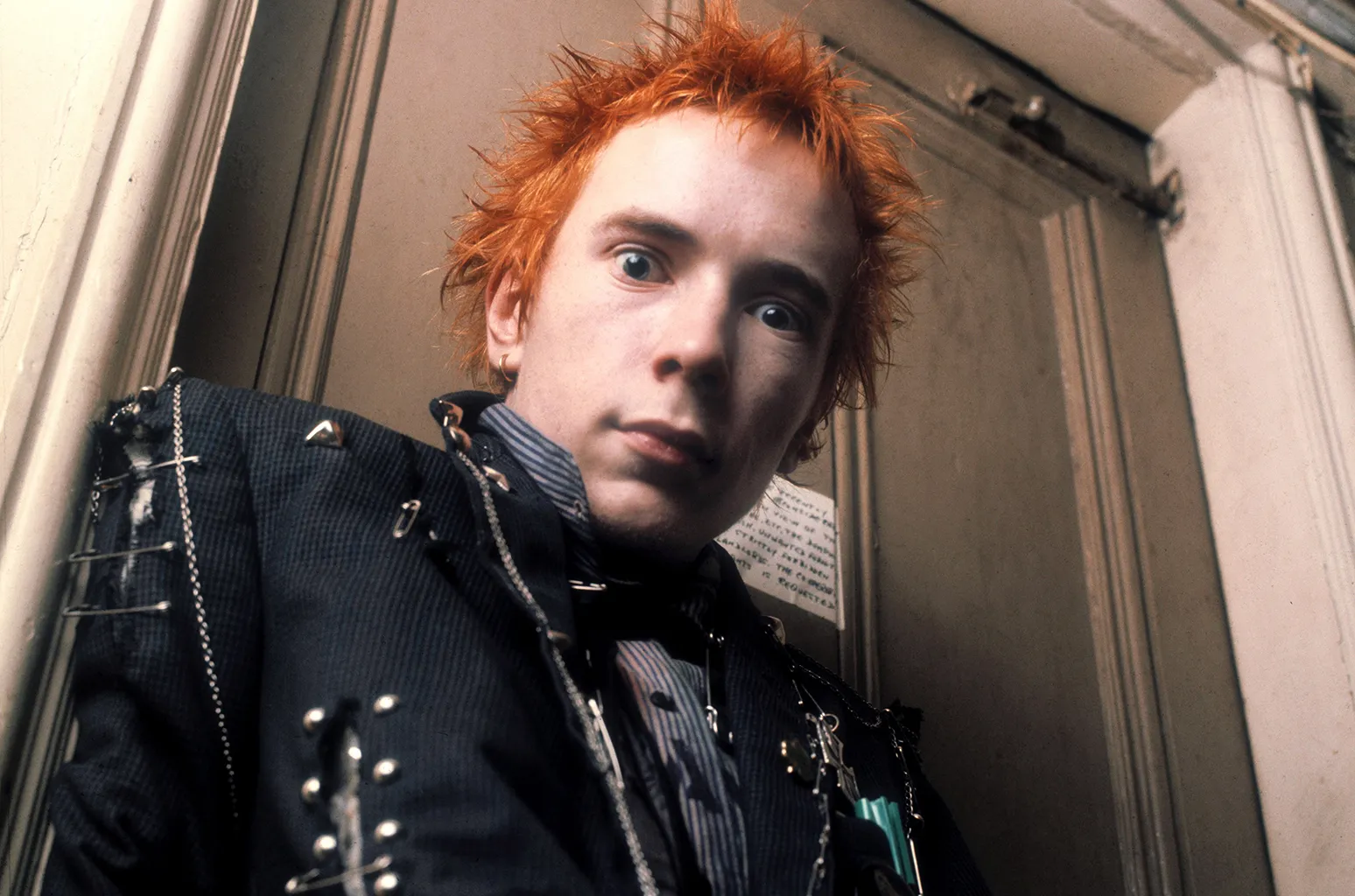
- Range of Trends: The mention of items as disparate as a “thin safety pin” and a “pork pie hat” illustrates the wide range of items that can become fashionable or trendy. Safety pins, for instance, became associated with punk fashion in the 1970s, symbolizing a rebellious, anti-establishment attitude. Pork pie hats associated with various music and fashion cultures, including jazz, ska, and the mod subculture. T
- Arbitrariness of Fashion: The contrast between a mundane item like a safety pin and a more traditional fashion item like a pork pie hat highlights the almost arbitrary nature of fashion trends. What becomes popular or trendy can often seem random and is heavily influenced by the whims of the fashion and entertainment industries.
- Commercialization of Subcultures: The line also suggests how the fashion industry commercializes elements of various subcultures. Both punk (with its use of safety pins) and certain music scenes (associated with pork pie hats) started as countercultural movements with distinct styles that were later adopted and commodified by mainstream fashion.
In summary, this line from “I’m the Man” cleverly encapsulates the whimsical and sometimes nonsensical nature of fashion and consumer trends, highlighting the power of the entertainment and fashion industries in shaping consumer behavior and cultural norms.
The sad, yet interesting news…
The song “I’m the Man”, despite its awesmomess did not achieve significant chart success. It was released as the lead single from Jackson’s album of the same name in 1979. While the song reached number 23 in Canada, it failed to chart in both the United States and the United Kingdom, which was a source of frustration for Jackson. This was in contrast to the album’s follow-up single, “It’s Different for Girls,” which became a top 10 hit in the UK and performed better commercially.
The album “I’m the Man” itself, however, received more success. It reached number 12 on the UK Albums Chart and number 22 on the US Billboard 200. In Canada, the album was particularly successful, earning a Gold certification.
Joe Jackson’s approach with “I’m the Man” was seen as a continuation of the style he established in his debut album, “Look Sharp!.” It represented the New Wave sound of the late 1970s and was filled with short, sharp pop-punk tracks. Despite the single’s lower commercial performance, “I’m the Man” (the song) has been recognized for its energetic rhythm and is considered an important part of Joe Jackson’s discography.
 Mastermind Century Group