

THE BAND

Talking Heads was an American rock band formed in New York City in 1975. The band consisted of David Byrne (vocals, guitar), Chris Frantz (drums), Tina Weymouth (bass), and Jerry Harrison (keyboards, guitar). Over the course of their career, Talking Heads became one of the leading bands of the New Wave movement, blending elements of punk, funk, and world music to create a distinctive and influential sound.
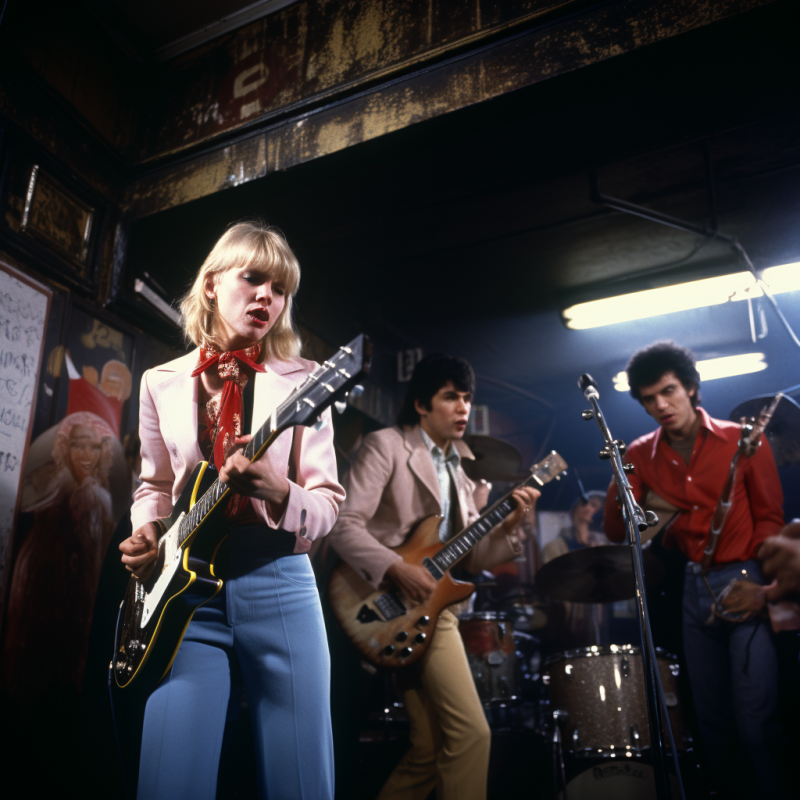
The band’s early days were spent performing at the legendary CBGB club in New York City, where they developed a dedicated following and attracted the attention of music industry insiders. Their debut album, “Talking Heads: 77”, was released in (you guessed it) 1977 and received critical acclaim for its innovative sound and Byrne’s quirky and imaginative lyrics.
Over the next decade, Talking Heads continued to evolve and expand their musical style, incorporating elements of world music, funk, and art rock into their music. They released a string of critically acclaimed albums, including “More Songs About Buildings and Food” (1978), “Fear of Music” (1979), and “Remain in Light” (1980), and became one of the most popular and influential bands of the New Wave era.
In the mid-1980s, the band’s popularity waned, and they eventually disbanded in 1991, after releasing their final album, “Naked”. Despite this, Talking Heads continue to be remembered as one of the most innovative and influential bands of the New Wave era, and their music continues to be celebrated and rediscovered by new generations of music fans.
Throughout their career, Talking Heads were known for their eclectic and genre-defying musical style, imaginative lyrics, and Byrne’s distinctive stage presence and performance art. Their impact on the music industry and popular culture continues to be felt, and they are widely regarded as one of the most influential bands of the 20th century.
DAVID BYRNE: THE MAN, THE LEADER, INNOVATOR, STRATEGIST
David Byrne, a musician, songwriter, and artist who is widely recognized for his leadership, strategy, and innovation in the music industry He was active with Talking Heads from 1975 to 1991, and has since been a solo artist.
Leadership: David Byrne is a visionary leader who always pushes the boundaries in terms of musical style, performance, and creativity. He is known for his eclectic musical taste, combining elements of punk, new wave, world music, and art rock to create a unique sound. His leadership style is marked by his ability to bring together diverse musical elements and his willingness to experiment with new ideas.
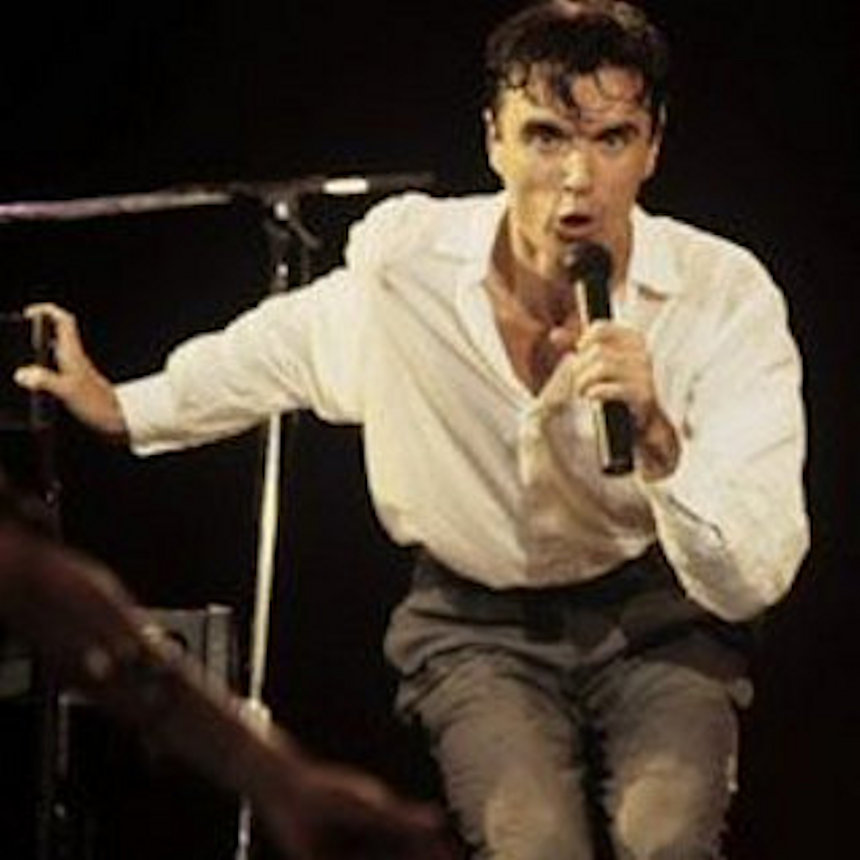
Strategy: Byrne is strategic in his approach to the music industry, constantly seeking new ways to connect with audiences and expand his reach. He was one of the early adopters of the internet as a means of promoting his music and connecting with fans. He also took advantage of opportunities to collaborate with other artists, both within the music industry and in other creative fields, in order to reach new audiences and create new styles of music.
Innovation: David Byrne is an innovative artist who is always exploring new creative avenues. He was one of the pioneers of the “world music” genre, incorporating elements of African, South American, and Asian music into his work. He is also known for his innovative use of technology in his performances, incorporating video, lighting, and other visual elements into his live shows. Additionally, he has always been a trailblazer in terms of album packaging and design, often collaborating with visual artists to create unique and memorable album covers.
Overall, David Byrne’s leadership, strategy, and innovation have had a lasting impact on the music industry and continue to inspire musicians, artists, and fans alike.
THE PLACE: CBGB
CBGB, short for Country, Bluegrass, and Blues, was a music club located in the Bowery neighborhood of Manhattan, New York City. It was opened in 1973 by Hilly Kristal and quickly became a legendary venue for punk and new wave bands in the 1970s and 1980s.

Talking Heads were one of the early bands to perform at CBGB, making their debut at the club in 1975. At the time, the band was still relatively unknown and was still experimenting with their sound. They had a minimalistic approach, relying on Byrne’s unusual stage presence and offbeat lyrics, along with the band’s tight musicianship.
CBGB provided a platform for Talking Heads to showcase their unique sound and gain a following among the punk and new wave crowd. They performed regularly at the club and developed a reputation as one of the most innovative and exciting bands of the era.
Their performances at CBGB helped to establish Talking Heads as one of the leading bands of the new wave movement and played a crucial role in launching their career. The band went on to release several successful albums, including “More Songs About Buildings and Food” and “Remain in Light”, and became one of the most influential and respected bands of the 1980s.
CBGB itself was closed in 2006, but its legacy lives on as a symbol of the punk and new wave era and the many iconic bands that performed there, including Talking Heads.
BURNING DOWN THE HOUSE
Talking Heads’ top-charting single in the United States was “Burning Down the House.” It reached No. 9 on the Billboard Hot 100 chart in 1983. This song, from their album “Speaking in Tongues,” became one of their most iconic and commercially successful tracks.

Burning Down the House” lyrics, written by David Byrne, have been interpreted in various ways, one of which is as a metaphor for losing control.
In the song, the lyrics talk about a house that is “burning down” and how the narrator feels powerless to stop it. The imagery of a house burning down can be seen as a metaphor for a situation that is spiraling out of control.
The lyrics “watch out, you might get what you’re after” can be interpreted as a warning to be careful of what you wish for, as you may not be able to handle the consequences.
Additionally, the phrase “burning down the house” can also be seen as a metaphor for a relationship falling apart. It can be interpreted as the end of a relationship, where the couple’s home (the house) is burning down, and they are unable to stop it.
“Burning Down the House” and its meaning has been interpreted in various ways. However, it is not confirmed by the band or the author of the song what the meaning behind it is.
THE FILM: STOP MAKING SENSE
“Stop Making Sense” is a 1984 concert film directed by Jonathan Demme that captures the live performance of Talking Heads, led by David Byrne. The film is often regarded as a seminal work in the concert film genre, and its title has been interpreted as a metaphor for a number of different themes.
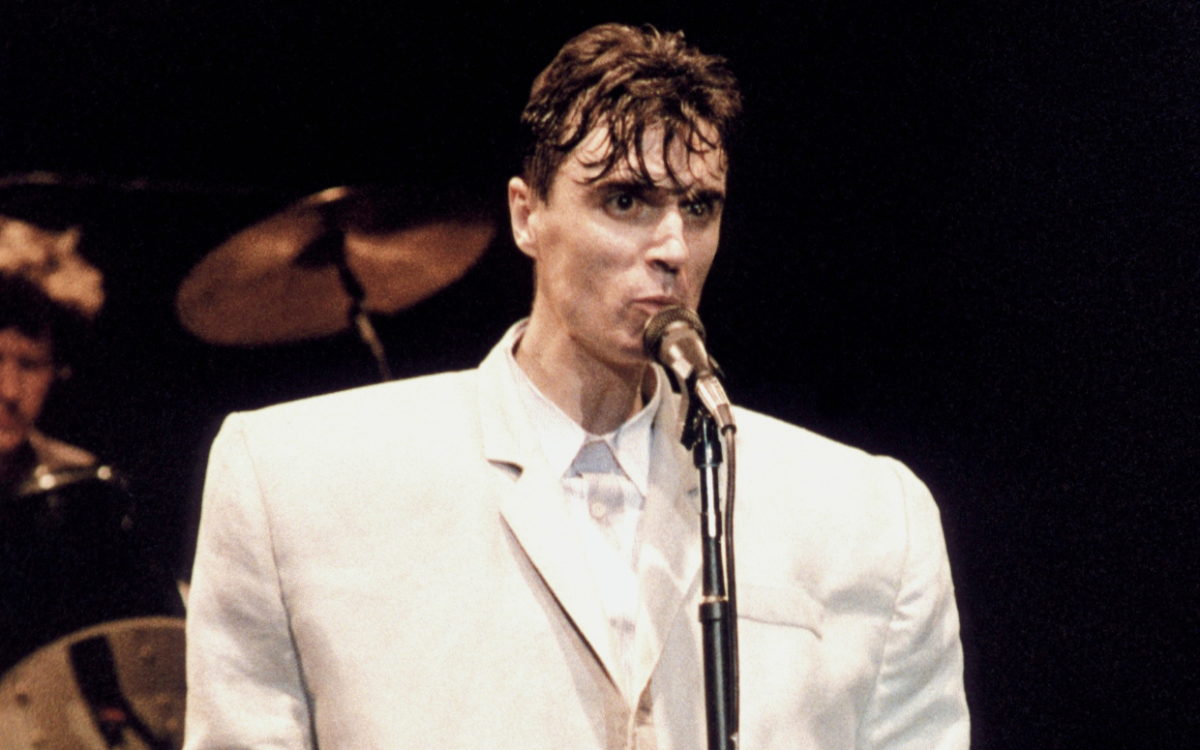
One of the most commonly cited interpretations of the title is as a metaphor for teamwork. The film starts with Byrne performing solo on stage, and as the show progresses, he is joined by other members of Talking Heads. This gradual buildup is seen as a metaphor for the process of building a team, with each member adding a new layer of complexity and energy to the performance.
This interpretation of the title can be seen as a commentary on the importance of teamwork in any creative or collaborative endeavor. By starting solo and gradually adding more members, Byrne and Demme highlight the importance of each individual contribution to the overall success of the team. The gradual addition of members can also be seen as a metaphor for the process of building trust and cohesion within a team, as each new member brings a different set of skills and perspectives to the table.
THE BOOK: HOW MUSIC WORKS
David Byrne has also written several books, including one that was published in 2019 and is titled “How Music Works”.
In “How Music Works”, Byrne shares his extensive knowledge and experience in the music industry and explores the various elements that contribute to the creation and production of music. He covers topics such as the role of technology, the influence of cultural and historical context, the importance of collaboration, and the impact of economics on the music industry.
The book is written in Byrne’s characteristic style, which is both informative and entertaining, and it provides insights into his unique approach to music and his creative process. Throughout the book, Byrne draws upon his extensive experiences as a musician and performer to provide a unique and valuable perspective on the music industry and the art of making music.

In addition to discussing his own experiences, Byrne also provides a broader overview of the history of music and the evolution of music production and distribution, exploring the impact of technological advances on the music industry and the role of music in society.
“How Music Works” is widely regarded as an important and insightful work that provides valuable insights into the music industry and the creative process of making music. Whether you are a musician, music fan, or simply interested in the role of music in society, this book is sure to provide a wealth of information and inspiration.
IN THE END
David Byrne has proven himself as an innovator, leader, and strategist throughout his influential career in the music industry. His ability to blend diverse musical styles and challenge traditional boundaries has set him apart as a creative force. “Burning Down the House” stands as a testament to Talking Heads’ ability to produce commercially successful, yet innovative, music. His book “How Music Works” offers insights into his creative process, reflecting his strategic approach to music creation and production. Finally, the film “Stop Making Sense” not only showcases his innovative stage performances but also serves as a metaphor for the gradual buildup of teamwork, exemplifying Byrne’s collaborative and leadership skills in the world of music and art. David Byrne’s impact on music and art continues to inspire and influence generations of artists and enthusiasts.
 Mastermind Century Group
This repetitive uninciteful article feels AI genetated.
Unlike the band, this article has no soul.
Thanks for the feedback Zebraitis… agree it is a bit repetitive and I will work on more soul… intent was really a quick bit of research on David Byrne after reading his exceptional book.
of note: https://www.stereogum.com/2249760/talking-heads-reportedly-turned-down-80-million-for-short-reunion-tour/news/. Don’t think we will be getting a reunion anytime soon
The name of the band is Talking Heads not The Talking Heads.
Noted and updated