


Sometimes, a conversation with a colleague leaves you in deep contemplation, urging a pause to reflect and think further. Our recent discussion did just that, delving into the intricate and layered concept of “lore,” with a particular focus on its relevance to the United States Air Force (USAF). Lore, in its essence, is a tapestry of shared traditions, stories, and knowledge intrinsic to a specific community or culture. It’s a pivotal force in molding identities, instilling values, and fostering practices, often transmitted across generations.
“Lore” refers to the body of traditions and knowledge on a subject or held by a particular group, often passed down orally from generation to generation. In various contexts, it can mean different things:
- Folklore: Traditions, myths, and tales of a specific culture or community.
- Game or Literary Lore: The backstory and world-building elements in games, books, or other fictional works.
- Specialized Knowledge: Informal and traditional knowledge within a specific field, often not written down but known among practitioners.

In academic circles, lore is recognized for its significance in understanding the social fabric and historical context of an organization or community. It’s a subject of interest in fields like anthropology, sociology, and history, as it offers deep insights into how groups transmit knowledge, uphold traditions, and foster a shared sense of identity and purpose.
Specifically focusing on the USAF, my thoughts went to the various dimensions of its lore and the need to explore key historical events that have shaped the USAF’s legacy, celebrate famous personnel who have contributed to its rich history, and highlight iconic aircraft that symbolize the technological advancements and strategic capabilities of American air power. Additionally, we delve into the revered customs and traditions that form the backbone of the USAF’s culture and examine pivotal lessons learned that guide its strategies and operations.
Through this lens, we gain not only an understanding of the USAF as a military institution but also a richer perspective on the importance of lore in cultivating a unique and enduring ethos within any organization.
USAF LORE
In the context of the United States Air Force (USAF), “lore” refers to the traditions, stories, histories, and shared knowledge that are part of the USAF’s cultural and institutional heritage. This can include:
- Historical Events: Key moments in USAF history, such as significant battles, missions, or operational achievements.
- Famous Personnel: Stories and legends about notable airmen and leaders who have influenced the USAF’s development.
- Aircraft Lore: Tales and information about the various aircraft used by the USAF, including their development, capabilities, and roles in significant operations.
- Customs and Traditions: Rituals, customs, and practices unique to the USAF, including ceremonial procedures, uniform traditions, and formal events.
- Lessons Learned: Accumulated wisdom from past operations and training, often shared informally among personnel to improve effectiveness and safety.
This lore is a vital part of the USAF’s identity, fostering a sense of continuity, pride, and camaraderie among its members. It’s also used as a tool for education and training, helping to instill values and standards in new recruits and officers. Understanding the USAF’s lore can provide insights into its organizational culture, values, and operational philosophies.
BIG FIVE LORE
In the rich and varied expanse of lore, particularly in the context of the United States Air Force (USAF), there are countless stories, traditions, and pieces of knowledge that contribute to its vibrant tapestry. However, in this exploration, we focus on the ‘BIG FIVE’ in each of the key lore categories: historical events, famous personnel, iconic aircraft, esteemed customs and traditions, and pivotal lessons learned. While these selections are just a glimpse into the vast reservoir of USAF lore, they serve as an appetizer, a starting point for deeper reflection and exploration. The aim is to spark curiosity and encourage readers to ponder and discover their own interpretations and additions to these lore categories. Let these ‘BIG FIVE’ be your food for thought, an invitation to delve into the rich heritage and enduring legacy of the USAF.
HISTORICAL EVENTS:
The United States Air Force (USAF) has a rich history marked by numerous significant events. Five key historical events that are often highlighted in USAF lore include:

- Creation of the USAF (1947): The establishment of the United States Air Force as a separate branch of the U.S. military on September 18, 1947, was a pivotal moment. Prior to this, air power was part of the Army as the Army Air Forces. This separation acknowledged the critical role of air power in modern warfare.
- Berlin Airlift (1948-1949): During the Cold War, the USAF played a crucial role in the Berlin Airlift, an operation to supply West Berlin with food and fuel during the Soviet blockade. This operation showcased the strategic importance of air power in international relations and humanitarian efforts.
- Korean War (1950-1953): The Korean War was the first major conflict after the formation of the USAF. It was notable for the extensive use of air power, including the first large-scale jet-vs-jet air battles in history.
- Vietnam War (1955-1975): The Vietnam War saw significant innovations in air tactics and technology. The USAF was heavily involved in bombing campaigns, close air support, and the introduction of advanced aircraft like the F-4 Phantom II.
- Operation Desert Storm (1991): Marking the first major conflict following the end of the Cold War, Operation Desert Storm showcased the USAF’s capabilities in precision bombing and air superiority. The use of advanced technologies like stealth aircraft and precision-guided munitions revolutionized modern aerial warfare.
Each of these events not only holds a place in the historical record but also contributes to the shared sense of identity, purpose, and pride within the USAF community. They are often studied and commemorated to understand the evolution and strategic importance of air power in the U.S. military.
FAMOUS PERSONNEL:
Five famous personnel who hold a significant place in United States Air Force (USAF) lore for their contributions, achievements, or leadership are:
- General Henry “Hap” Arnold: As the only officer to hold the rank of General of the Air Force, Arnold is a key figure in the development of the USAF. He played a major role in the buildup of American air power during World War II and was instrumental in the transition from the Army Air Forces to an independent Air Force in 1947.
- General Curtis LeMay: Known for his strategic innovation in air warfare, LeMay was instrumental during World War II in organizing effective bombing campaigns. He later served as the Chief of Staff of the USAF and was a driving force behind the strategic bombing policy during the Cold War.
- Colonel John Boyd: An influential military strategist, Boyd was known for his work on air combat tactics and his development of the Energy-Maneuverability theory. His ideas have had a lasting impact on modern air combat and military strategy.
- Brigadier General Robin Olds: A triple ace, Olds was a highly respected fighter pilot and leader. His exploits during World War II and the Vietnam War made him a legendary figure. His innovative tactics and leadership in air combat are still studied.
- Major General Benjamin O. Davis Jr.: As the first African American general officer in the USAF, Davis was a trailblazer. He previously commanded the Tuskegee Airmen during World War II and played a significant role in breaking racial barriers in the U.S. military.
These individuals are celebrated not only for their military achievements but also for their leadership qualities and their impact on the development and ethos of the USAF.
AIRCARFT LORE:
Five iconic aircraft that hold a significant place in United States Air Force (USAF) lore due to their performance, historical importance, or technological innovation include:
- Lockheed SR-71 Blackbird: Renowned for its high-speed and high-altitude capabilities, the SR-71 Blackbird was a strategic reconnaissance aircraft that set numerous speed and altitude records. Its advanced design and stealth features made it virtually invulnerable to interception during the Cold War.
- Boeing B-52 Stratofortress: A long-range, subsonic, jet-powered strategic bomber, the B-52 has been in service since the 1950s. Known for its size, range, and payload capacity, it has played a key role in various conflicts from the Cold War to modern times.
- Lockheed F-117 Nighthawk holds a prominent place in USAF lore as the world’s first operational aircraft designed with stealth technology. Entering service in 1983, the F-117 was developed during the Cold War, embodying a radical departure from conventional aircraft designs with its unique faceted appearance, designed to deflect radar signals.
- Lockheed Martin F-22 Raptor: As a fifth-generation fighter aircraft, the F-22 Raptor represents the cutting edge of air superiority, with advanced stealth, agility, and situational awareness. It is considered one of the most capable fighter jets ever built.
- General Dynamics F-16 Fighting Falcon: A multirole fighter aircraft, the F-16 has been a staple in the USAF since its introduction in the late 1970s. Known for its versatility, agility, and relatively low cost, the F-16 has seen extensive service in numerous conflicts.
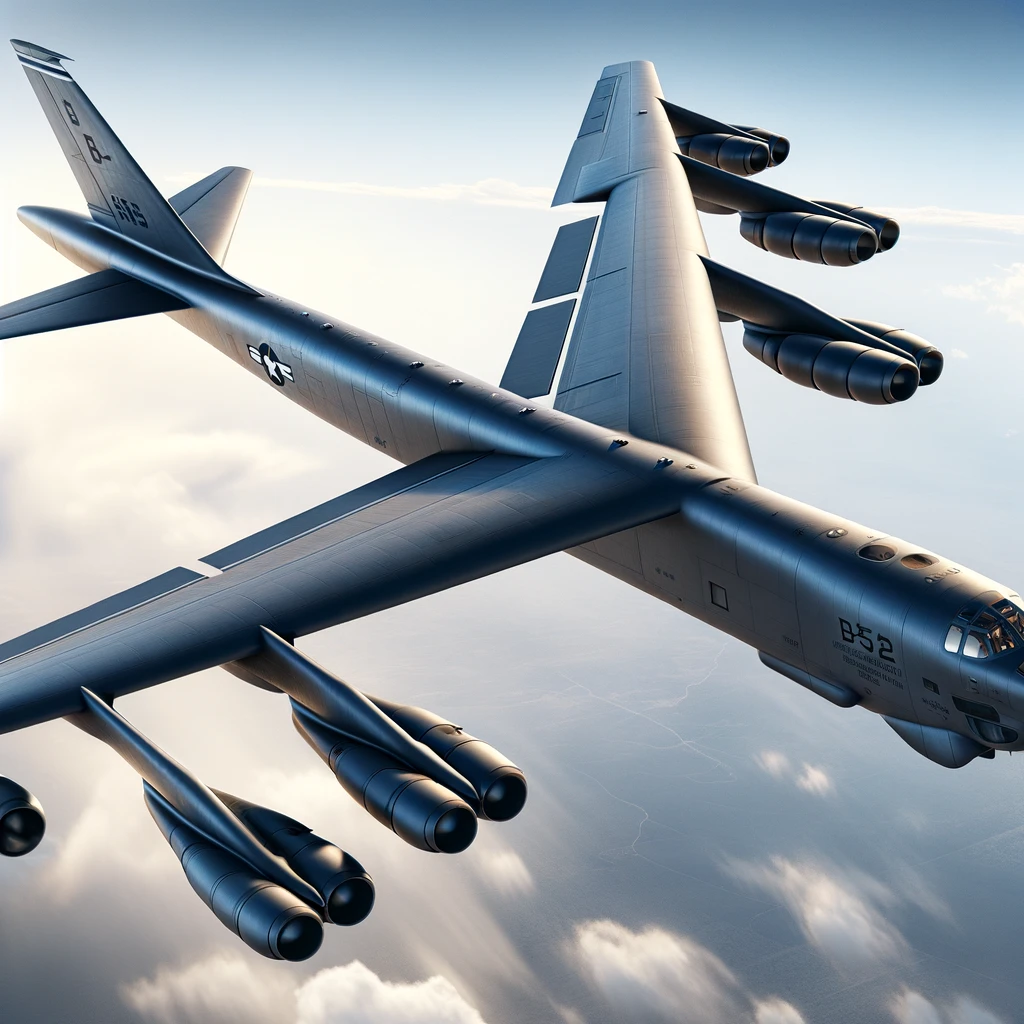
Each of these aircraft has not only played a significant role in the USAF’s operational history but also symbolizes the technological advancement and strategic capabilities of American air power. Their stories and exploits are often celebrated in USAF culture and history.
CUSTOM AND TRADITIONS:
The United States Air Force (USAF) has a rich tradition of customs and ceremonies that reflect its unique heritage and values. Five notable customs and traditions in USAF lore include:
- Change of Command Ceremony: This formal ceremony symbolizes the transfer of authority and responsibility from one commanding officer to another. It’s a deeply rooted tradition in the military, including the USAF, underscoring the importance of orderly transitions and the chain of command.
- Wingman Concept: Originating in aerial combat, the wingman concept has evolved into a broader ethos within the USAF. It emphasizes mutual support, teamwork, and accountability, extending beyond flying operations to include all aspects of Air Force life.
- The Airman’s Creed: This is a statement that embodies the values, principles, and culture of the USAF. Recited at ceremonies and significant events, it serves as a constant reminder of the commitment and duties of an Airman.
- First Salute Coin Tradition: When a newly commissioned officer receives their first salute, it is customary for them to present a coin to the enlisted member who rendered that salute. This tradition symbolizes respect and the mutual trust between USAF officers and enlisted personnel.
- Dining-In and Dining-Out: These formal events are part of USAF social tradition, where members gather for a formal dinner. Dining-In is strictly for unit members, while Dining-Out includes guests and spouses. These events often feature toasts, stories, and ceremonies that strengthen camaraderie and unit cohesion.
These customs and traditions are more than just formalities; they play a crucial role in building and maintaining the professional culture and esprit de corps of the USAF.
LESSONS LEARNED:
The United States Air Force (USAF) has gleaned numerous lessons from its history and operations, each contributing to its evolving strategy, tactics, and culture. Five significant lessons learned that are often emphasized in USAF lore include:
- Importance of Air Superiority: The USAF has consistently reinforced the lesson that control of the skies is crucial to overall military success. This was vividly demonstrated in conflicts like World War II, the Korean War, and the Gulf War, where air superiority allowed for effective ground operations and strategic bombing campaigns.
- Value of Technology and Innovation: The USAF’s history, from the development of jet aircraft to the introduction of stealth technology, underscores the importance of technological advancement. Staying ahead in aviation technology is crucial for maintaining strategic and tactical advantages.
- Flexibility and Adaptability in Operations: Various conflicts have taught the USAF the importance of being flexible and adaptable in planning and executing missions. This includes adapting to new forms of warfare, such as counterinsurgency and asymmetric threats, and adjusting tactics in response to changing battlefield conditions.
- Integrated Joint Operations: The USAF has learned the value of working seamlessly with other branches of the military. Integrated joint operations, where air, land, and sea forces operate cohesively, have proven to be more effective than isolated efforts.
- Importance of Training and Readiness: The USAF’s experiences have reinforced the need for continuous training and readiness. Whether it’s preparing for high-intensity conflicts or humanitarian missions, maintaining high levels of training ensures that the Air Force can effectively respond to a wide range of challenges.

Each of these lessons reflects the USAF’s commitment to learning from its experiences and constantly refining its approach to aerial warfare and military operations. They are integral to the development of strategies, tactics, and policies that guide the USAF.
IN THE END
It seems a quick study of USAF lore emphasizes a crucial aspect of building a strong and cohesive force, especially in the context of the modern era’s strategic challenges. Encouraging airmen to actively engage with and explore the lore of the USAF is indeed akin to reinforcing the foundations of a family business. It’s about understanding and connecting with the roots, traditions, and values that have shaped the Air Force’s identity and mission.
In an era marked by strategic competition, where adaptability, innovation, and unity are key, the lore of the USAF serves as more than just historical knowledge or cultural heritage. It’s a reservoir of collective wisdom, experiences, and lessons that can guide airmen in facing contemporary challenges. By immersing themselves in this lore, airmen can draw inspiration, learn from past successes and failures, and strengthen their sense of belonging and purpose.
This approach of ‘getting back to basics’ and focusing on ‘family business’ is a strategy for building resilience and adaptability in a rapidly changing world. It not only fosters a deeper understanding of the USAF’s legacy but also equips airmen with a strong sense of identity and direction, crucial for navigating the complexities of modern strategic landscapes.
 Mastermind Century Group