
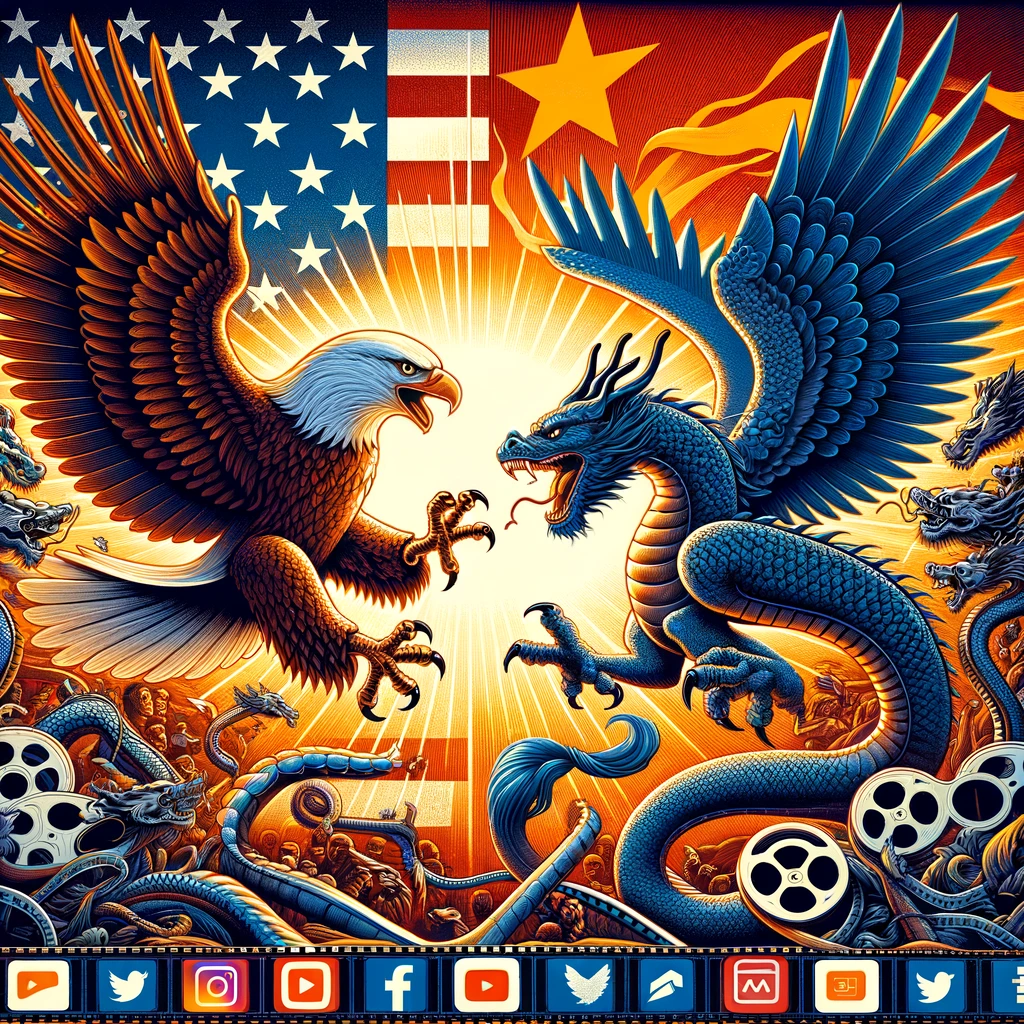
During my active duty initial stint with the USAF, I had the unique opportunity to be stationed in Germany, operating C23As out of Zweibrucken Air Base. This period offered me a fascinating perspective on the nuances of American cultural impact across Europe, encompassing both its positive and negative aspects. My tenure coincided with the momentous fall of the Berlin Wall, a pivotal event in the reunification of Eastern and Western Europe. My career also allowed me extensive travels across the Pacific region, particularly in South Korea, Japan, and other notable locations like Diego Garcia, the Philippines, and Singapore. These experiences provided me with firsthand insights into the manifestations of U.S. cultural influence in these areas. Even now, my frequent visits to the UK continue to reinforce these observations. Reflecting on these experiences, I often ponder the intentionality behind the U.S.’s cultural influence. How deliberate are we in shaping global culture? Similarly, what about China and the CCP’s efforts in this arena? They appear to be quite calculated. Can we assess who is more effective in this cultural strategizing? It raises the question: In the arena of strategic cultural influence, who is really leading the charge?
Strategic Culture Influence:
In the context of international affairs and grand strategy, “cultural influence” refers to the ability of a nation or entity to shape the preferences, beliefs, and behaviors of other nations and their populations through cultural means. This form of influence is often categorized under “soft power,” a term coined by political scientist Joseph Nye. Unlike hard power, which compels through military or economic means, soft power co-opts or persuades through cultural appeal and ideological alignment. Here are some key aspects of cultural influence in international affairs and grand strategy:
- Promotion of Values and Ideologies: Cultural influence involves promoting values and ideologies that are inherent to a nation’s way of life, such as democracy, freedom, human rights, or, alternatively, authoritarianism and collectivism. This can lead to other countries and their citizens adopting similar values, which aligns with the influencing nation’s strategic interests.
- Media and Entertainment: The global reach of a country’s media and entertainment – including films, television shows, music, and literature – plays a significant role in shaping perceptions and ideals in other countries. Hollywood, for instance, has been a powerful tool for the U.S. in spreading its cultural values worldwide.
- Educational Influence: The establishment of educational institutions abroad, student exchange programs, and the international appeal of a nation’s educational system can also be a significant aspect of cultural influence. It allows for the dissemination of cultural norms, languages, and intellectual traditions.
- Art and Popular Culture: Art, fashion, and popular culture (including food, sports, and traditions) are powerful tools for cultural diplomacy. They can create a positive image of a country, enhance its global standing, and foster goodwill and understanding.
- Language: The spread of a nation’s language is a critical aspect of cultural influence. Language not only facilitates communication but also carries with it the values and ways of thinking inherent to the culture of its speakers.
- Technology and Social Media: In the digital age, technology and social media platforms have become significant conduits of cultural influence, allowing for rapid and widespread dissemination of cultural content and ideas.
- Cultural and Intellectual Exchanges: Cultural programs, exhibitions, festivals, and intellectual exchanges (such as lectures, conferences, and collaborative research) promote cross-cultural understanding and affinity.
- Public Diplomacy: This involves government-sponsored initiatives aimed at foreign publics to enhance the projecting country’s image, promote its policies, and create a favorable environment for its diplomatic and strategic initiatives.
In grand strategy, leveraging cultural influence is about creating a favorable international environment that supports a nation’s long-term strategic objectives. It’s about winning hearts and minds, which can lead to more favorable diplomatic relationships, stronger alliances, easier cooperation in international institutions, and, in some cases, the internal stabilization of nations through the promotion of favorable governance models. Cultural influence is a subtle and long-term endeavor but can be profoundly impactful in shaping the global strategic landscape.
History and Cultural Influence
During both World War II and the Cold War, media and cultural influence played pivotal roles in shaping public opinion and advancing political agendas against the Nazi Party and the USSR, respectively. These tactics ranged from propaganda to cultural diplomacy and were essential tools for both sides in these conflicts.
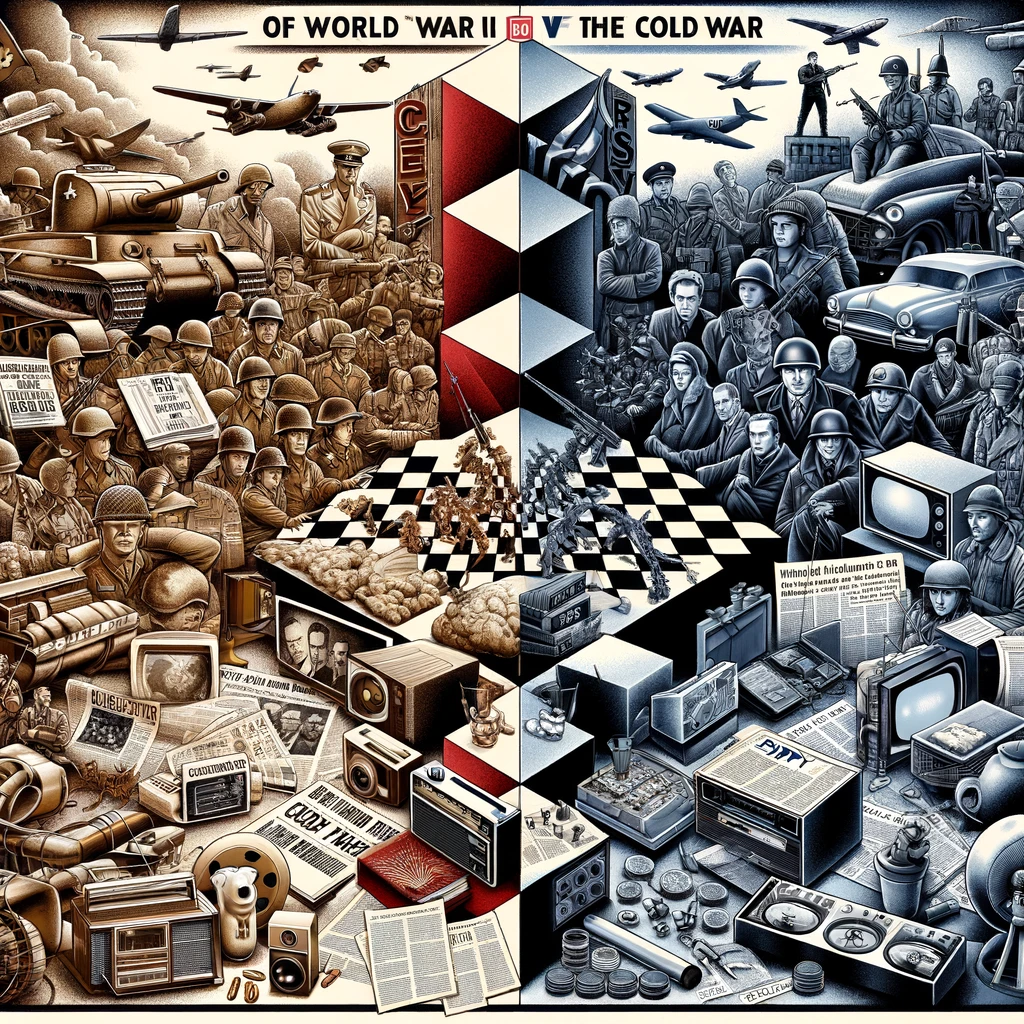
World War II and the Fight Against Nazism
- Propaganda: Allied governments used propaganda extensively to encourage support for the war effort and to demonize the Axis powers, particularly Nazi Germany. This included posters, films, radio broadcasts, and even comic books that depicted the Nazis in a negative light, emphasizing their brutality and the threat they posed to world peace.
- Films and Newsreels: Hollywood played a significant role, with many films produced during this era portraying the heroism of the Allied forces and the villainy of the Nazis. Newsreels shown in cinemas before feature films were used to inform and sometimes influence public opinion about the war.
- Radio Broadcasting: Radio was a powerful medium for reaching mass audiences. The BBC, for instance, broadcasted news and anti-Nazi programming not only in Britain but also in Nazi-occupied Europe, providing information and boosting morale.
- Cultural Figures’ Involvement: Prominent cultural figures, like writers, artists, and musicians, actively participated in the war effort, using their work to rally support against the Nazis. Their art often carried messages of resistance and hope.
Cold War and the Struggle Against the USSR
- Psychological Warfare: The U.S. and its allies used various forms of media to conduct psychological warfare against the Soviet Union. This included the distribution of leaflets, broadcasts of Western news and culture, and the promotion of ideas that were antithetical to Soviet ideology.
- Radio Free Europe and Voice of America: These were key tools in the U.S.’s strategy to counter Soviet propaganda. They broadcasted news, music, and other programming into Eastern Europe and the USSR, offering an alternative to state-controlled media.
- Cultural Exchange and Exhibitions: The U.S. sponsored cultural exchanges and exhibitions, such as the American National Exhibition in Moscow in 1959, which showcased American technology, lifestyle, and art, promoting the ideals of freedom and prosperity of the West.
- Hollywood and Television: Films and television shows were also used to portray the communist regime negatively, highlighting the perceived threats of communism and contrasting it with American values of democracy and freedom.
- Art and Literature: Western literature and art that critiqued communism or celebrated freedom and individuality were promoted as part of the cultural struggle against Soviet ideology.
In both conflicts, media and cultural influence were crucial in shaping public perception and morale. They were used not only to inform and entertain but also to promote certain ideologies and counter those of enemies. The effectiveness of these methods in influencing public opinion and international perception underscores the power of media and culture in geopolitical conflicts.
1980s Cold War and Hollywood
During the 1980s, the portrayal of the USSR as the enemy in Hollywood movies was a reflection of the political and cultural tensions of the Cold War era. These films often depicted the Soviet Union as the principal antagonist, highlighting the ideological and geopolitical rivalry between the United States and the USSR. Here’s a look at how this theme played out in several iconic movies from the 1980s:

- “Rocky IV” (1985): This film is a classic example of the Cold War metaphor in cinema. The protagonist, Rocky Balboa, faces a formidable Soviet boxer, Ivan Drago. The movie portrays the contrast between the American underdog spirit and the perceived Soviet coldness and technological superiority.
- “Red Dawn” (1984): In this film, the United States is invaded by Soviet forces, leading to a group of American teenagers forming a guerrilla resistance. The movie capitalized on American fears of a Soviet invasion and underscored themes of American resilience and patriotism.
- “Top Gun” (1986): Although the antagonists are not explicitly identified as Soviet, the film’s portrayal of a high-flying U.S. Navy pilot engaged in aerial combat with enemy MiGs (a type of fighter aircraft commonly associated with the Soviet Union) tapped into the era’s tensions.
- “The Hunt for Red October” (1990): Although released at the tail end of the Cold War, this film, based on Tom Clancy’s novel, revolves around a Soviet submarine captain attempting to defect to the United States with his advanced nuclear submarine. The movie captures the essence of Cold War espionage and military strategy.
- “WarGames” (1983): This film explores the theme of nuclear war and the fears associated with it. A young computer whiz accidentally hacks into a U.S. military supercomputer, which is programmed to predict possible outcomes of nuclear war, leading to a potential catastrophe.
- “Firefox” (1982): Clint Eastwood stars in and directs this film about a pilot sent into the Soviet Union on a mission to steal a highly advanced fighter jet. The film combines elements of Cold War espionage with high-tech military hardware.
- Other include: Falcon and the Snowman (1985), Spies Like Us (1985), Red Heat (1988), For Your Eyes Only (1981), A View to a Kill (1985), Rambo III (1988), The Right Stuff (1983), Octopussy (1983), No Way Out (1987), Stripes (1983), and Gotcha (1987).
These films, in various ways, reflected the political and social context of their time, often portraying the USSR as a significant threat to the American way of life and values. They served both as entertainment and as vehicles for the dissemination of Cold War-era ideologies and fears. The portrayal of the USSR in these movies was typically simplistic and one-dimensional, focusing on the Soviet Union as an aggressive and oppressive regime, in contrast to the freedom and heroism represented by American characters.
Hollywood Today
Several major U.S. film studios and TV companies have had significant Chinese ownership or investment in recent years. This trend is highlighted by a number of acquisitions and investments by Chinese companies, reflecting the growing global influence of China in the entertainment industry.
Here’s a summary of the key U.S. film studios and TV companies with Chinese ownership or investment:
- AMC Theatres: AMC, one of the largest cinema chains in the U.S., was acquired by the Dalian Wanda Group, a Chinese conglomerate. Wanda made its initial purchase of AMC Entertainment, the parent company of AMC Theatres, in 2012 for $2.6 billion, marking its first major investment in Hollywood.
- Legendary Entertainment: This production company, known for films like “Jurassic World,” was acquired by Wanda for $3.5 billion. Despite some financial losses, Legendary’s films have seen success in China, which could have been a factor in the acquisition.
- Dick Clark Productions: Wanda expanded its reach into television by acquiring Dick Clark Productions, the producer of the Golden Globes and American Music Awards, for $1 billion. This marked Wanda’s first venture into TV after investing heavily in film.
- Voltage Pictures: Anhui Xinke New Materials, a Chinese copper processing company, bought an 80 percent stake in Voltage Pictures’ parent company, Midnight Entertainment. Voltage is known for Oscar-winning films like “The Hurt Locker” and “Dallas Buyers Club”.
- STX Entertainment: This independent distributor was founded with investments from Chinese firms such as Hony Capital and secured a strategic investment from Tencent, a major Chinese technology company. STX is involved in film production, distribution, and digital content.
- Carmike Cinemas: Also owned by the Dalian Wanda Group, AMC acquired Carmike Cinemas, making the combined entity the largest theatrical exhibitor in the U.S..
- IM Global: This film finance firm was acquired by Tang Media Partners, a company with offices in Shanghai and L.A. IM Global has financed or produced more than 30 Hollywood films.
- Studio8: Chinese conglomerate Fosun is the largest shareholder in Studio8, having invested $200 million. Studio8 was founded by former Warner Bros. chief Jeff Robinov.
These examples illustrate the significant impact of Chinese investment in the U.S. film and TV industry, reflecting a broader trend of growing Chinese influence in global media and entertainment. This trend is part of China’s larger strategy to increase its cultural influence and soft power on the international stage.
Chinese Investment and Influence
Chinese investment in the U.S., particularly in the film and entertainment industries, plays a significant role in shaping cultural influence. This influence manifests in several ways, from the expansion of Chinese language programs to the impact on arts, entertainment, and business.

- Language and Education: The growth of Chinese language programs in the U.S. is a direct result of increased Chinese influence. These programs are not only prevalent in schools and universities but also in community-based institutions. They foster cross-cultural understanding and provide opportunities for Americans to connect with Chinese culture and language, thus expanding global opportunities
- Arts and Entertainment: The influence of Chinese art and entertainment on the American cultural landscape is substantial. Traditional forms like calligraphy and painting, alongside contemporary influences like cinema, contribute significantly to the arts in America. Chinese cinema, in particular, has gained international recognition, with films and directors from China leaving a mark on global cinema. This cultural exchange is evident in American films incorporating Chinese themes, aesthetics, and martial arts choreography.
- Economic Contributions: The economic contributions of Chinese-Americans and Chinese investment in the U.S. have been substantial. Chinese-American entrepreneurs have stimulated economic growth across various sectors, including technology and hospitality. Additionally, Chinese investment in industries like real estate, technology, and entertainment has spurred development projects and job creation. This economic influence extends to consumer markets, with Chinese consumers’ preferences impacting American marketing strategies and product offerings.
- Cultural and Diplomatic Tools: China’s use of cultural, educational, and diplomatic tools globally is part of its soft power initiative. This approach involves promoting cultural exchanges, sending professionals like doctors and teachers abroad, and funding Chinese-language programs in foreign countries. China’s aim through these initiatives is to present itself as a peaceful, culturally rich nation, secure resources for economic growth, and assert itself as a global leader, sometimes in opposition to Western influences.
- Internal Challenges and Global Appeal: Despite these efforts, China’s considerable internal challenges could potentially undermine its international appeal. The exertion of soft power is often accompanied by hard power, including military and economic threats. This dual approach may affect how China’s influence is perceived globally.
- Competing with Taiwan: Part of China’s soft power strategy involves competing with Taiwan for cultural influence. For instance, China’s establishment of Confucius Institutes around the world promotes mainland Chinese language and culture over Taiwanese variants. This is seen as a strategic move to supplant Taipei’s influence globally.
As such, Chinese investment and cultural initiatives in the U.S. have a multifaceted impact on American society. While they contribute positively to cultural diversity, education, and economic growth, they are also part of a larger strategy by China to assert its influence and compete with other global powers. The exact nature and extent of this influence continue to evolve and are subject to various internal and external factors affecting both China and the U.S.
CCP as The Bad Guys in Film
Determining the exact number of movies in the last 20 years that have depicted the Chinese Communist Party (CCP) as the enemy is challenging, mainly due to the nuanced and often subtle ways in which films address political themes. Additionally, the direct portrayal of the CCP as an antagonist in mainstream cinema is relatively rare, partly because of the global film industry’s commercial interests in the Chinese market.
In recent years, the influence of the Chinese market on Hollywood and global cinema has grown significantly. China’s box office is one of the largest in the world, making it a lucrative market for Hollywood films. This economic consideration has often led to filmmakers and studios avoiding themes that could be seen as critical of the CCP to ensure access to this market.
However, some films and documentaries have critiqued or portrayed aspects of the CCP’s policies and actions in a negative light. These are often independent productions or films made outside the traditional Hollywood system. For instance, documentaries and films that focus on historical events in China, such as the Cultural Revolution or the Tiananmen Square protests, might implicitly critique the actions of the CCP.

Regarding mainstream cinema, however, the portrayal of the CCP as a direct antagonist is not a common theme. The global film industry, particularly Hollywood, tends to focus on narratives that have broad international appeal and avoid overt political commentary that could limit their market reach, especially in lucrative markets like China.
In summary, while there are films and documentaries that critique or implicitly portray the CCP in a negative light, they are relatively limited in number and often come from independent or non-Hollywood sources. The exact number of such films is difficult to ascertain without a comprehensive database specifically tracking this theme. The influence of the Chinese market on global cinema plays a significant role in shaping the themes and narratives presented in mainstream films, often leading to a cautious approach when it comes to depicting the CCP.
ALIENS EVERYWHERE
The use of aliens or supernatural villains in Hollywood, particularly in superhero movies like those in the Marvel Cinematic Universe (MCU) and DC Extended Universe, is a reflection of genre conventions and the desire for global appeal than a direct substitution for traditional geopolitical adversaries like the USSR was during the 1980s. There are several reasons for this trend:
- Genre Expectations: Superhero and sci-fi genres traditionally involve larger-than-life threats, often necessitating adversaries with extraordinary powers or origins, which aliens or supernatural beings conveniently provide. This aligns with the fantastical nature of these genres.
- Global Market Appeal: Hollywood today is highly attuned to the global market. Using non-human adversaries avoids offending any particular nation or cultural group, making the films more universally palatable and avoiding geopolitical sensitivities.
- Narrative and Creative Flexibility: Aliens and supernatural entities offer filmmakers creative freedom. They can craft unique and diverse stories without being constrained by the complexities and nuances of real-world politics.
- Escapism and Entertainment: Superhero movies often serve as escapism. Audiences can enjoy the spectacle and drama without the burden of real-world political implications. This escapism is a key selling point of the genre.
- Avoiding Controversy: Given China’s growing importance as a global film market, studios are cautious about portraying any real nation, especially major powers like China, as villains. This would risk access to those markets due to censorship or cultural sensitivities.
- Reflecting Contemporary Issues: While direct references to current geopolitical rivals are less common, these films often indirectly address contemporary issues like authoritarianism, the abuse of power, and the importance of collective action in the face of global threats, themes that can resonate with current geopolitical dynamics without being explicit.
- Historical Context: The portrayal of the USSR as the villain in 1980s Hollywood was context-specific, reflecting the Cold War tensions of the time. The modern geopolitical landscape is more complex and multipolar, making direct analogies less straightforward in popular cinema.
In summary, while Hollywood has shifted towards using aliens and other non-human entities as antagonists in superhero and sci-fi films, this change is driven more by genre conventions, market considerations, and creative choices, rather than as a direct substitution for traditional nation-state adversaries like the USSR during the Cold War era.
Why?
The relative scarcity of mainstream movies depicting the Chinese Communist Party (CCP) as the antagonist can be attributed to several key factors, primarily revolving around economic interests, geopolitical sensitivities, and the global nature of the film industry:
- Market Considerations: China is one of the largest markets for the global film industry, particularly Hollywood. Movies that are critical of the CCP could be banned or censored in China, which would result in a significant financial loss for studios and filmmakers. The desire to access and succeed in the Chinese market often leads to self-censorship or avoidance of sensitive topics.
- Co-production Treaties: There have been increasing collaborations between Chinese and Western film studios, resulting in co-production treaties. These agreements often require the content to be acceptable to Chinese censors, which means avoiding themes that are critical of the CCP.
- Political Sensitivities and Diplomacy: Given the complex and significant relationship between China and other countries, particularly in trade and politics, films that overtly criticize the Chinese government might also have diplomatic repercussions. Studios and filmmakers often avoid creating content that could strain these relationships.
- Global Audience Appeal: The modern film industry aims to appeal to a global audience. This means creating content that transcends national and political boundaries. Movies that specifically target or criticize a particular nation or its government might not resonate with a global audience and could be perceived as biased or propagandistic.
- Changing Narrative Trends: There has been a shift in the narrative trends within the film industry. Contemporary themes often revolve around personal stories, human emotions, and universal themes rather than political ideologies. This shift reflects a change in audience preferences and the global nature of modern cinema.
- Rise of Streaming Services: The rise of streaming services like Netflix, Amazon Prime, and Disney+ has diversified the types of content being produced. These platforms often focus on a wide array of themes and stories, including those that might not fit the traditional blockbuster model but do not necessarily focus on political narratives against specific governments.
- Awareness of Cultural Sensitivities: There is a growing awareness and sensitivity towards cultural representation in media. Filmmakers are more cautious about portraying other cultures and governments to avoid stereotypes and cultural insensitivity.
The absence of mainstream films depicting the CCP as an antagonist is influenced by a combination of market dynamics, global audience considerations, cultural sensitivities, and the evolving nature of international relations and public narratives. The film industry’s focus on economic viability and global appeal tends to override the inclination to produce content that could be seen as politically provocative or sensitive.
CCP Influence on US Culture
The influence of the Chinese Communist Party (CCP) on U.S. culture is a complex and multifaceted issue, encompassing various aspects of media, academia, and consumer markets. Here are some key areas where the CCP’s influence is noticeable:
- Film and Entertainment Industry:
- Market Access: Hollywood studios often modify films to ensure access to China’s lucrative market, the world’s second-largest box office. This can include altering scenes, characters, or plotlines that might be viewed unfavorably by Chinese censors.
- Co-productions: U.S.-China co-productions are increasingly common, often leading to content that is more favorable or neutral towards China to meet the approval of Chinese censors and appeal to Chinese audiences.
- Academic Influence:
- Confucius Institutes: These are Chinese government-funded cultural and language programs hosted by universities worldwide, including in the U.S. While they offer educational opportunities, there are concerns about their role in promoting a CCP-friendly curriculum and stifling academic freedom on topics sensitive to China.
- Research Funding and Partnerships: Chinese funding in U.S. universities can influence research agendas. There are concerns about intellectual property theft and espionage, especially in technology and scientific research.
- Media and Information:
- Ownership and Partnerships: Chinese companies, some with close ties to the CCP, have invested in U.S. media companies, potentially influencing how China is portrayed in the media.
- Social Media Platforms: Chinese-owned platforms like TikTok have been scrutinized for potential censorship or data privacy issues, raising concerns about the CCP’s ability to control or monitor content accessible to U.S. users.
- Consumer Markets:
- Corporate Influence: U.S. companies often tailor products and services to avoid offending Chinese sensibilities, given the size of the Chinese market. This can extend to censorship or the alteration of products sold in the U.S. to maintain access to the Chinese market.
- Propaganda and Disinformation: The CCP uses state-run media and online platforms to disseminate propaganda and disinformation, aiming to shape global narratives in ways that are favorable to its interests.
- Cultural Exchanges and Festivals:
- Promotion of Chinese Culture: The CCP supports cultural festivals and events in the U.S. that promote a positive view of Chinese culture and the CCP’s policies, which can influence public perception.
- Political Influence:
- Lobbying and Political Contributions: There are concerns about the CCP’s attempts to influence U.S. policy through indirect lobbying and contributions to political causes, although direct evidence of such activities can be elusive.
- Technological Sphere:
- Telecommunications: Companies like Huawei and ZTE have been scrutinized for potential security risks and ties to the Chinese government, affecting the U.S. technology landscape.
It’s important to note that while there are valid concerns about the CCP’s influence in these areas, the extent and impact of this influence can vary and is often the subject of debate. Moreover, responses to this influence are also evolving, as seen in regulatory measures and public discourse in the U.S. addressing these issues.
US influence CCP culture
The influence of the United States on the culture of the Chinese Communist Party (CCP) and, more broadly, Chinese society, is multifaceted and significant. This influence manifests in various ways, from popular culture to economic models and technology. Here are some key areas where this impact is observed:

- Popular Culture and Entertainment:
- Movies and Television: Hollywood films are immensely popular in China, despite censorship and quotas on foreign films. They offer Chinese audiences diverse perspectives and narratives that are different from domestic productions, often influencing fashion, lifestyle choices, and societal values.
- Music and Art: American music, from pop to hip hop, and visual art are popular among Chinese youth, influencing the local music scene and artistic trends.
- Consumerism and Lifestyle:
- Brands and Products: American brands, ranging from fast food chains like McDonald’s and KFC to technology giants like Apple, have a significant presence in China, influencing consumer habits and preferences.
- Lifestyle and Values: The American lifestyle, often characterized by individualism, freedom of expression, and consumerism, appeals to many in China, especially the younger generation, impacting their aspirations and lifestyle choices.
- Economic Model and Business Practices:
- Market Economy: Despite its socialist system, China has adopted several aspects of the market economy, a concept largely advocated by the U.S. This adoption has led to economic reforms that align somewhat with American economic principles.
- Entrepreneurship and Innovation: The American model of entrepreneurship and innovation inspires many Chinese entrepreneurs. Concepts like venture capital, startups, and business incubators have been integrated into China’s economic landscape.
- Education and Academia:
- Higher Education: Many Chinese students attend American universities, and they often bring back ideas and values absorbed from the U.S. education system. This exchange has influenced academic practices and perspectives in China.
- Research Collaboration: Collaborative research between American and Chinese institutions has led to an exchange of knowledge and practices, impacting various scientific and academic fields in China.
- Technology and Internet:
- Silicon Valley’s Influence: The success of Silicon Valley has been a model for China’s technology sector. Chinese tech hubs like Shenzhen mirror aspects of the innovation and entrepreneurial spirit of their American counterparts.
- Social Media and Digital Platforms: Although China has its own digital ecosystem, American platforms like LinkedIn and previously available apps have influenced online culture and business networking in China.
- Political and Ideological Aspects:
- Governance Models: While the CCP maintains a one-party system, exposure to American democratic ideals, through media and other channels, influences intellectual and political discourse among some segments of Chinese society.
- Cultural Exchanges and Soft Power:
- Tourism and Cultural Exchange Programs: American culture is also disseminated through tourism, student exchange programs, and cultural events, fostering a greater understanding of American values and way of life.
While the U.S. exerts a considerable cultural influence on China, it’s essential to recognize that the CCP actively manages and sometimes restricts this impact through censorship, media control, and promoting Chinese cultural and ideological values. This dynamic creates a complex interplay between the adoption of American cultural aspects and the preservation of Chinese identity and CCP principles.
Limiting the Flow: CCP
The Chinese Communist Party (CCP) employs a comprehensive and multifaceted approach to limit and control the flow of information into China. This system is designed to maintain the Party’s narrative, suppress dissent, and prevent exposure to ideas that could challenge the CCP’s authority or ideological stance. Here are the key methods used:
- Internet Censorship and the Great Firewall:
- The Great Firewall of China is a sophisticated system of internet filters and blocks that restricts access to numerous foreign websites and services.
- Popular global platforms like Google, Facebook, Twitter, YouTube, and many news websites are blocked.
- This system also involves keyword filtering and real-time monitoring to prevent access to or spread of content deemed inappropriate by the CCP.
- Content Regulation and Propaganda:
- Domestic media outlets are subject to strict regulations and are often used as tools for disseminating government propaganda.
- The CCP actively promotes content that aligns with its policies and suppresses information that contradicts or challenges its narrative.
- There is a strong emphasis on promoting a positive image of China and the CCP, both domestically and internationally.
- Media Control and Surveillance:
- The CCP exerts direct control over news media, publishing, and broadcasting. Journalists and editors often receive directives from the government on what can be reported and how.
- Surveillance of digital communications is widespread, including monitoring social media and instant messaging services to identify and suppress dissent.
- Regulation of Academic and Educational Materials:
- Educational content is closely regulated to ensure it aligns with CCP ideology. This includes textbooks, academic publications, and even university curricula.
- There is a concerted effort to promote “patriotic education,” emphasizing a narrative that favors the CCP’s perspective on history and current affairs.
- Restrictions on Foreign Media and Journalism:
- Foreign journalists often face restrictions in their reporting, including denial of access to certain areas, surveillance, and even harassment.
- The distribution of foreign publications and broadcasts is tightly controlled, with content censored or banned if it’s deemed politically sensitive.
- Cybersecurity Laws and Regulations:
- China’s cybersecurity laws require data localization and grant authorities extensive powers to access data for security purposes.
- These laws also mandate that tech companies operating in China comply with government censorship and surveillance requirements.
- Use of Advanced Technology for Censorship:
- China employs advanced technologies, including artificial intelligence and machine learning, to enhance its censorship and surveillance capabilities.
- These technologies are used for tasks like internet content filtering, facial recognition in surveillance, and analyzing large volumes of data for dissent.
- Social Credit System:
- The social credit system, which rates citizens based on their behavior, includes penalties for those who consume or disseminate banned content, further discouraging engagement with such material.
Through these methods, the CCP effectively limits the exposure of the Chinese population to external information sources and narratives that contradict its own. The goal is to maintain social stability, control over the public discourse, and the perpetuation of the CCP’s authority in China.
US Restrictions
The United States employs various strategies and policies to counteract the influence of the Chinese Communist Party (CCP), particularly in the realms of information security, media, and public discourse. These measures are aimed at protecting national security, intellectual property, and ensuring that the American public has access to accurate and unbiased information. Here are some key approaches:
- Cybersecurity Measures:
- The U.S. government and private sector invest heavily in cybersecurity to protect against espionage, data theft, and cyber attacks, which are often attributed to state-sponsored actors, including those from China.
- Enhanced security protocols and advanced cybersecurity technologies are used to safeguard government and private networks, particularly in critical infrastructure and sensitive industries.
- Legislation and Policy:
- Laws and policies are implemented to restrict Chinese investment in certain U.S. industries, particularly those involving sensitive technology and national security.
- The Committee on Foreign Investment in the United States (CFIUS) plays a key role in reviewing and potentially blocking foreign investments, including from Chinese entities.
- Media and Public Communication:
- The U.S. government and various organizations actively work to counter disinformation campaigns attributed to the CCP. This includes public awareness campaigns and collaborations with social media platforms.
- Media literacy initiatives are promoted to help the public critically assess information sources and identify potential foreign influence or propaganda.
- Trade Policies and Tariffs:
- Trade policies, including tariffs and sanctions, are used to address issues of unfair trade practices and intellectual property theft, which are often cited as concerns with China.
- Diplomatic and International Relations Efforts:
- The U.S. engages in diplomatic efforts to build alliances and partnerships to collectively address the challenges posed by the CCP, particularly in areas of trade, security, and human rights.
- Participation in international organizations is leveraged to promote global norms and policies that counteract aggressive or unfair practices by the CCP.
- Research and Academic Regulations:
- Regulations and guidelines are in place to protect intellectual property and sensitive research in academic and scientific institutions from potential espionage or theft.
- The U.S. government has increased scrutiny of academic collaborations and funding involving Chinese entities.
- Visa and Entry Restrictions:
- Visa policies and restrictions are occasionally used to limit access to the U.S. for certain Chinese nationals, particularly those associated with the military or government, to reduce the risk of espionage and intellectual property theft.
- Public-Private Partnerships:
- Collaboration between the government and private sector is crucial for information sharing, developing best practices, and coordinating responses to CCP-related challenges.
- Promotion of Democratic Values and Free Speech:
- The U.S. emphasizes the promotion of democratic values, free speech, and a free press as fundamental differences from the authoritarian model of the CCP.
It’s important to note that these measures are not solely about restricting information but also about safeguarding American interests, values, and security. The U.S. approach generally balances openness and the free flow of information with the need to protect against potential threats to national security and democratic processes.
WHO WINS?
Determining a “winner” in terms of cultural influence between the United States and the Chinese Communist Party (CCP) is not straightforward, as the concept of cultural influence is complex and multifaceted. The impact of cultural influence can vary greatly depending on the region, audience, and specific aspect of culture being considered. Here are some key points to consider in this context:
United States
- Global Reach of Media and Entertainment: The U.S. has a significant global influence through its entertainment industry, including Hollywood movies, television shows, music, and digital content. American pop culture is pervasive and often shapes global trends.
- Technological Influence: American tech giants like Google, Apple, Facebook, and Amazon have a profound impact on global technology trends and consumer habits.
- Cultural and Ideological Exports: The U.S. has historically been seen as a beacon of democracy, individual freedom, and innovation, ideals that have attracted and influenced people worldwide.
- Educational Influence: The U.S. higher education system is globally renowned, attracting students worldwide and disseminating American values and perspectives.
Chinese Communist Party (CCP)
- Economic Influence: China’s rapid economic growth and integration into the global economy have significantly influenced global economic practices and policies.
- Soft Power Initiatives: Through Confucius Institutes, media, and investments in Africa, Latin America, and other regions, China is extending its cultural and educational influence.
- Digital and Technological Expansion: Chinese technology companies like Huawei, Tencent, and Alibaba are expanding their global footprint, influencing how technology is used and governed.
- Belt and Road Initiative: This global development strategy involves infrastructure and investment initiatives, extending China’s economic and political influence.
Comparison and Considerations
- Nature of Influence: The U.S. largely exerts its influence through cultural and ideological soft power, whereas China’s approach is more focused on economic and infrastructural influence.
- Global Perceptions: American culture is generally more pervasive in global media and entertainment, but perceptions of U.S. influence can vary depending on geopolitical and regional contexts.
- Control vs. Freedom: The CCP’s cultural influence is often accompanied by a desire to control narratives and project a positive image of China, contrasting with the more open and diverse nature of American cultural exports.
- Recency of Impact: The U.S. has had a longer history of global cultural influence, but China’s influence has been rising rapidly in recent years, particularly in regions involved in the Belt and Road Initiative.
In conclusion, both the U.S. and the CCP have substantial but different kinds of cultural influences. The U.S. excels in soft power through media, entertainment, and ideology, while China’s influence is more prominent in economic initiatives and infrastructure development. The effectiveness and reach of their respective influences also varies by region and over time, reflecting the dynamic nature of global cultural and political
A FEW EXAMPLES or CASE STUDIES
TOP GUN: MAVERICK
The issue surrounding Tom Cruise’s leather jacket in “Top Gun: Maverick” and the depiction of the Taiwan flag highlights the complexities of cultural and political sensitivities in international cinema, particularly concerning China’s influence in the global film market.
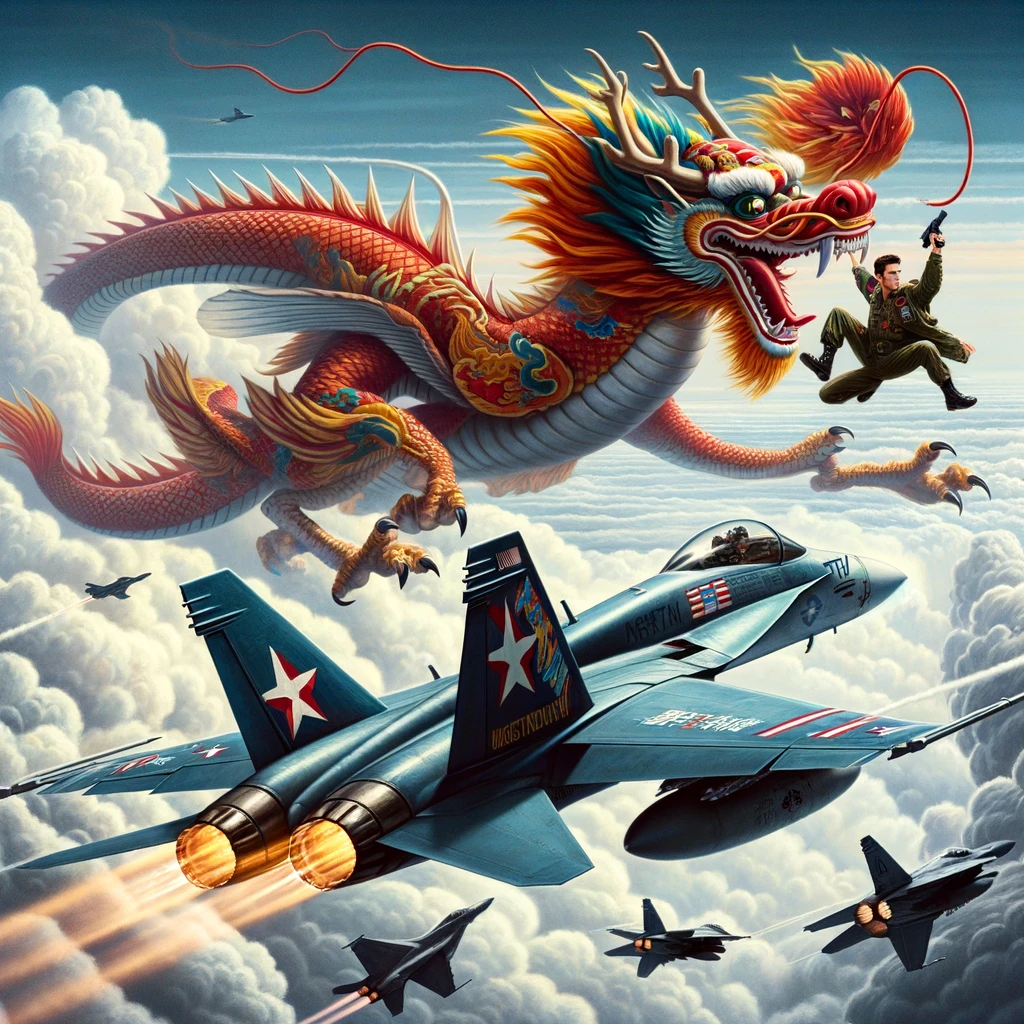
In the original “Top Gun” movie (1986), Tom Cruise’s character, Pete “Maverick” Mitchell, wore a bomber jacket with patches that included the flags of Taiwan and Japan, among others. These patches represented the countries where Maverick’s father had served during his military career. However, in the trailers for “Top Gun: Maverick,” the sequel released decades later, it was observed that these flags were replaced with similar-looking but unidentifiable symbols.
Key Issues Involved:
- Market Sensitivities: China is a major market for Hollywood films, and studios often make changes to films to ensure they are accessible to Chinese audiences. The depiction of the Taiwan flag could be seen as politically sensitive due to China’s claims over Taiwan and its opposition to any suggestions of Taiwanese independence or separate identity.
- Censorship and Self-Censorship: To avoid potential backlash or bans in the Chinese market, studios may engage in self-censorship. Altering the jacket in “Top Gun: Maverick” can be seen as a move to preemptively address Chinese censorship concerns.
- Political Implications: The change sparked discussions about the influence of China over Hollywood and the implications for freedom of expression. Critics argue that such changes demonstrate how economic considerations can lead to the softening or alteration of political and cultural representations in films.
- Public and Media Reaction: The alteration drew criticism from some audiences and commentators, who saw it as capitulation to Chinese censorship and an undermining of artistic and historical integrity.
- Broader Context of China-Hollywood Relations: This incident is part of a broader trend where Hollywood studios alter content to appeal to the Chinese market, raising questions about the balance between artistic expression and market access.
Resolution and Response:
In the final release of “Top Gun: Maverick,” the original patches, including the Taiwan and Japan flags, were reportedly restored to the jacket. This decision was welcomed by many who saw it as a stance against censorship and a commitment to preserving the film’s authenticity.
Conclusion:
The “Top Gun: Maverick” jacket controversy underscores the challenges faced by global entertainment companies when navigating the geopolitical landscape. It highlights the tension between artistic integrity and the economic realities of the global film industry, where the Chinese market’s influence is significant. This incident is a clear example of how international politics and cultural sensitivities intersect with the world of cinema and entertainment.
Et Tu, Barbie?
The controversy surrounding the “Barbie” movie involves the depiction of China’s “nine-dash line” in the South China Sea. The film, starring Margot Robbie and directed by Greta Gerwig, faced a ban in Vietnam, and the Philippines considered a similar action because of a scene in the movie that reportedly features the nine-dash line on a map.
The nine-dash line is a demarcation used by China to assert its territorial claims in the South China Sea, a claim that has been contested by several neighboring countries, including Vietnam and the Philippines. This line appears on some Chinese maps and is often seen as a symbol of China’s expansive territorial claims in the region. Various official and unofficial Chinese maps depict this line running close to the coast of Vietnam, near Malaysia, and around the Philippines, enclosing the Spratly Islands.

The inclusion of the nine-dash line in the “Barbie” movie was seen as controversial because it could be interpreted as legitimizing China’s territorial claims, which are disputed under international law. In 2016, an international court ruled against China’s claim, but China rejected the ruling and continued to assert its rights in the region. The map’s inclusion in a major Hollywood film led to criticisms regarding the influence of the Chinese market on Hollywood productions and the potential for such content to inadvertently make political statements.
The decision by Vietnam’s National Film Evaluation Council to ban the “Barbie” movie was based on the view that the depiction of the nine-dash line represents a violation of Vietnamese sovereignty. This incident highlights the sensitivity of geopolitical issues in international cinema and the challenges faced by global entertainment companies in navigating such complexities.
CCP and The NBA
Several incidents involving NBA players and personnel have drawn the ire of the Chinese Communist Party (CCP), primarily due to comments and actions perceived as critical of China’s policies or in support of movements opposed by the CCP. These incidents highlight the tension between free speech and the economic interests of the NBA in the Chinese market. Here are some notable examples:

- Daryl Morey’s Tweet Supporting Hong Kong Protests (2019):
- Daryl Morey, then the general manager of the Houston Rockets, tweeted in support of the pro-democracy protests in Hong Kong. His tweet included an image captioned “Fight for Freedom. Stand with Hong Kong.”
- The response from the CCP and Chinese businesses was swift and severe. The Chinese Basketball Association suspended ties with the Rockets, and Chinese sponsors and partners cut or suspended their relationships with the NBA.
- The NBA initially faced criticism domestically for appearing to prioritize its Chinese business interests over free speech, though it later affirmed its commitment to freedom of expression for its employees.
- Enes Kanter’s Comments on Tibet (2021):
- Enes Kanter, a center for the Boston Celtics, used social media and interviews to voice criticisms of the Chinese government’s policies in Tibet. He also called out Chinese President Xi Jinping and wore shoes with “Free Tibet” messages during games.
- Kanter’s actions were met with a strong backlash in China. Celtics games were pulled from the Chinese streaming service Tencent, which holds rights to NBA broadcasts in China.
- Other Players and Coaches’ Comments:
- Various other NBA players and coaches have made comments on social and political issues related to China, though often with more caution, likely due to the NBA’s significant economic interests in China.
Impact and Implications:
- Economic Ramifications: The NBA has lucrative broadcasting and merchandising deals in China. Incidents like these can lead to a significant financial impact due to lost sponsorships, broadcasting bans, and strained relationships with Chinese partners.
- Cultural and Political Sensitivities: These incidents underscore the sensitivity of issues like Hong Kong’s autonomy and human rights in Tibet within China. The CCP strictly controls narratives on these topics and often reacts strongly to international criticism.
- Free Speech vs. Market Access: The NBA’s handling of these situations reflects the broader challenge faced by international businesses operating in China: balancing the right to free speech with the need to maintain access to the Chinese market.
- Global Response: The reactions to these incidents are varied. While there is support for the individuals’ right to free speech in many democratic countries, the NBA also faces criticism for perceived compromises on values to protect its economic interests.
- Diplomacy and International Relations: Such incidents can sometimes escalate into diplomatic issues, affecting not just the involved parties but also broader international relations.
In summary, these incidents involving NBA players and personnel reflect the complexities and challenges of navigating the intersection of international business, cultural diplomacy, free speech, and authoritarian censorship. The NBA’s experiences underscore the delicate balance that global enterprises often have to maintain when operating in politically sensitive environments.
“The Interview” with North Korea and the CCP

The incident involving Sony Pictures that is often discussed in relation to the Chinese Communist Party (CCP) is actually a misattribution. The major incident involving Sony Pictures was not related to the CCP, but rather it was a cyberattack in 2014, which was attributed to North Korea (CCP’s only ally).
Sony Pictures Cyberattack (2014):
- Background: The cyberattack on Sony Pictures Entertainment occurred in November 2014 and was linked to the studio’s planned release of “The Interview,” a comedy film that depicted a fictional plot to assassinate North Korean leader Kim Jong-un.
- The Attack: Hackers breached Sony’s network, leaked confidential data, including personal information about employees and their emails, unreleased films, and other sensitive data. The attackers also left a message threatening terrorist attacks against cinemas that screened the film.
- North Korea’s Involvement: The United States government officially accused North Korea of being behind the cyberattack, stating it was a response to “The Interview.” North Korea denied direct involvement but called the hack a “righteous deed.”
- Impact on Sony: The attack had significant consequences for Sony, both financially and reputationally. It led to the initial cancellation of the theatrical release of “The Interview,” although it was later released online and in select theaters.
- International Repercussions: The incident raised concerns about cybersecurity, freedom of expression, and the ability of state actors to influence or censor content in other countries through cyber means.
CCP and Hollywood:
While the Sony Pictures incident was not directly related to the CCP, there have been other instances where Hollywood studios have faced pressures related to the Chinese market:
- Content Alteration for Chinese Market: Hollywood studios often modify films to comply with Chinese censorship laws or to avoid offending Chinese audiences, which may involve altering or cutting scenes that portray China in a negative light.
- Economic Considerations: The Chinese film market is highly lucrative, and its censorship practices have a significant impact on how major studios approach content that might be critical of China or touch on sensitive topics like Taiwan, Tibet, or human rights.
In summary, while the Sony Pictures cyberattack was a significant event in the context of international relations and cybersecurity, it was related to North Korea, not the CCP. However, the influence of the CCP on Hollywood and global entertainment industries is a separate and ongoing issue, reflecting the complex interplay between international business, cultural expression, and political censorship.
 Mastermind Century Group