

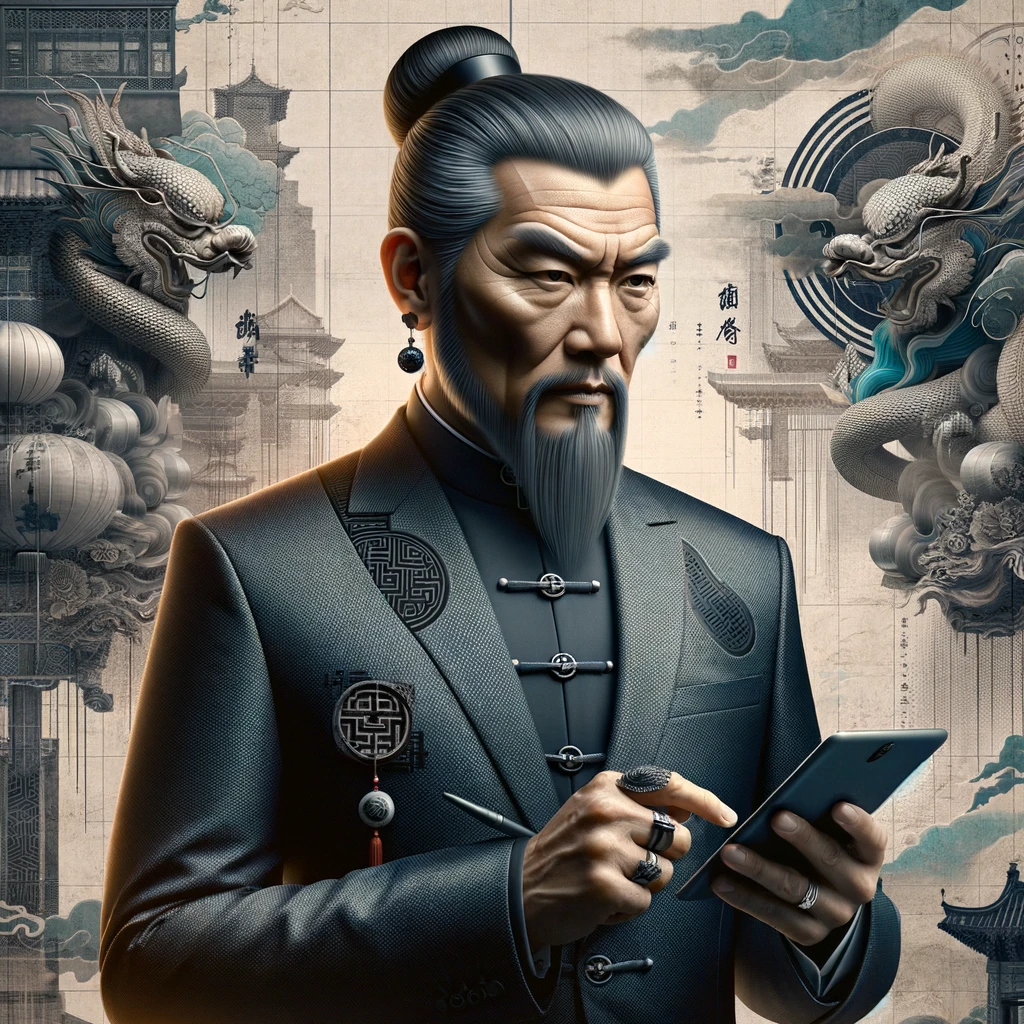
Imagine if you will—Sun Tzu, the ancient strategist known for his timeless wisdom in “The Art of War,” were to witness the current strategic tussle between the United States and China. He might raise an eyebrow at the irony of modern superpowers circling each other in a high-stakes game of technological one-upmanship, seemingly echoing the very principles he espoused centuries ago. Yet, in this dance of giants, each step is heavy with the weight of political posturing and economic muscle-flexing, where the age-old maxims of knowing oneself and the adversary are invoked more in rhetoric than in genuine understanding. This scenario unfolds in a world where technological supremacy and defense strategies are not just about safeguarding national interests but are also entangled in a web of global interdependencies, making the straightforward, cut-and-dry tactics of yesteryears seem almost quaint. So, let’s delve into this intriguing juxtaposition of ancient strategy and modern geopolitical chess, where Sun Tzu’s artful legacy meets the complex realities of 21st-century great power politics.
Who Was Sun Tzu?
Sun Tzu, also known as Sun Wu or Master Sun, is a semi-legendary figure in Chinese history. His life and works, particularly his authorship of “The Art of War,” have been surrounded by both historical accounts and a fair amount of legend. Here’s a synthesis of what is known and speculated about his life:
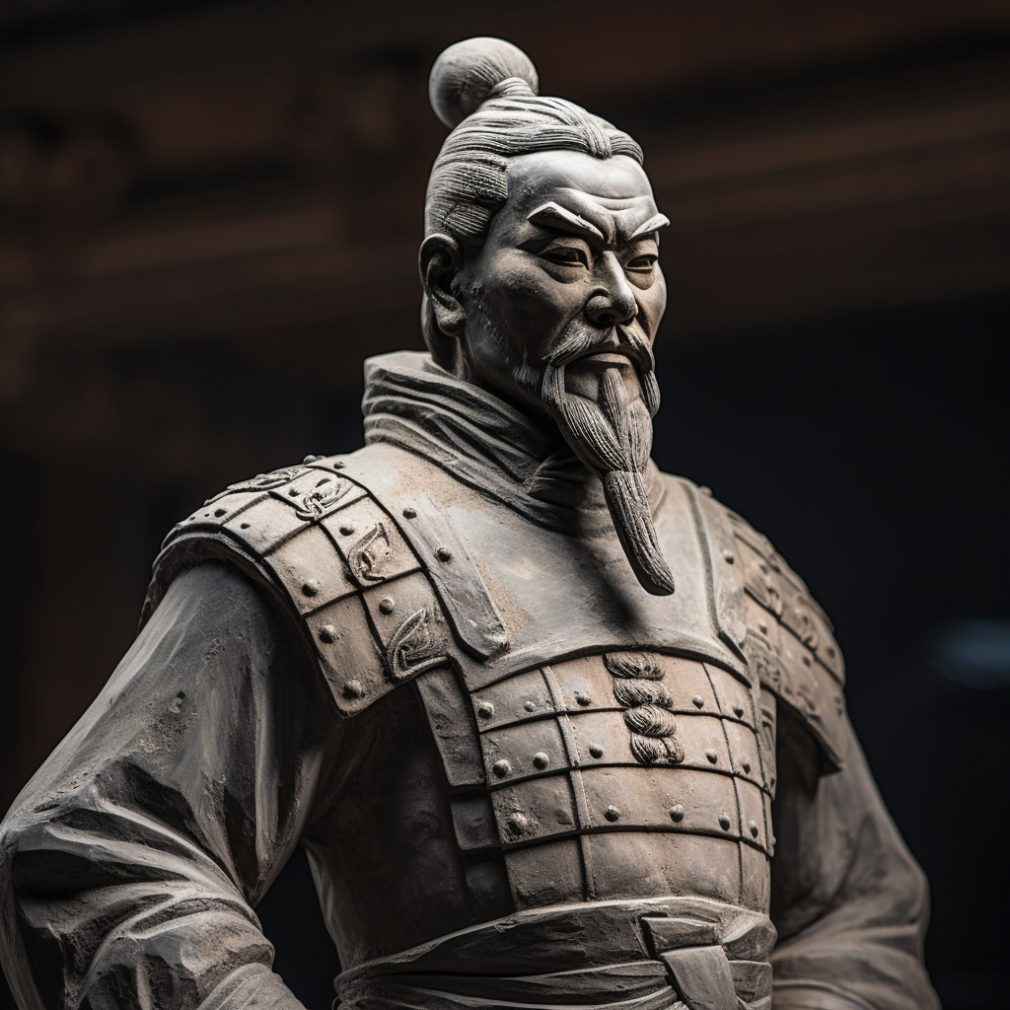
- Historical Context: Sun Tzu is believed to have lived during the late Spring and Autumn period (approximately 771 to 476 BC) of ancient China. This was a time marked by political turmoil and constant warfare among various states, setting the stage for a military strategist of his caliber.
- Early Life and Background: There is little concrete information about Sun Tzu’s early life. He is thought to have been born in the state of Qi or Wu during the 5th century BC. Details about his family, upbringing, and education are largely unknown or based on later historical conjectures.
- Military Career: Sun Tzu is most famously associated with his role as a military strategist and general. The most well-known historical account of his military prowess comes from the “Records of the Grand Historian” by Sima Qian. According to this source, Sun Tzu was employed by King Helü of Wu and was instrumental in the state’s military successes against its neighbors, particularly the state of Chu.
- The Art of War: Sun Tzu’s legacy is primarily anchored in his authorship of “The Art of War,” a concise yet comprehensive treatise on military strategy and tactics. The text covers various aspects of warfare, from strategic planning to the conduct of soldiers and the use of spies. Its philosophical depth and practical wisdom have made it a seminal work in the study of strategy.
- Legend and Mythology: There are numerous legends about Sun Tzu that mix fact and fiction. One famous story describes how he demonstrated his military strategies to King Helü by training the king’s concubines to perform military drills. When some of the concubines failed to follow orders, Sun Tzu had the leaders of the group executed to show the importance of discipline and obedience.
- Historical Debates: There is ongoing scholarly debate regarding the historicity of Sun Tzu. Some historians question whether he was a historical figure or a legendary construct. Others debate the authorship of “The Art of War,” suggesting it may have been written by multiple authors over time.
- Cultural and Philosophical Impact: Beyond his military genius, Sun Tzu is regarded as a deep philosopher and strategist. His ideas have influenced not only military thinking but also business strategies, leadership, legal strategy, and more in various cultures around the world.
While the exact details of Sun Tzu’s life remain shrouded in a bit of mystery and legend, his impact as a military strategist and philosopher is undeniable. His work, “The Art of War,” continues to be studied and revered for its strategic insights and philosophical depth.
Sun Tzu and Innovation:
Sun Tzu did not explicitly speak about “innovation” in the way it is understood in modern terms. “The Art of War,” focuses more on strategies, tactics, and philosophies that are applicable in warfare. While the text doesn’t discuss innovation directly, several of its principles can be interpreted as encouraging innovative thinking.
Adaptability
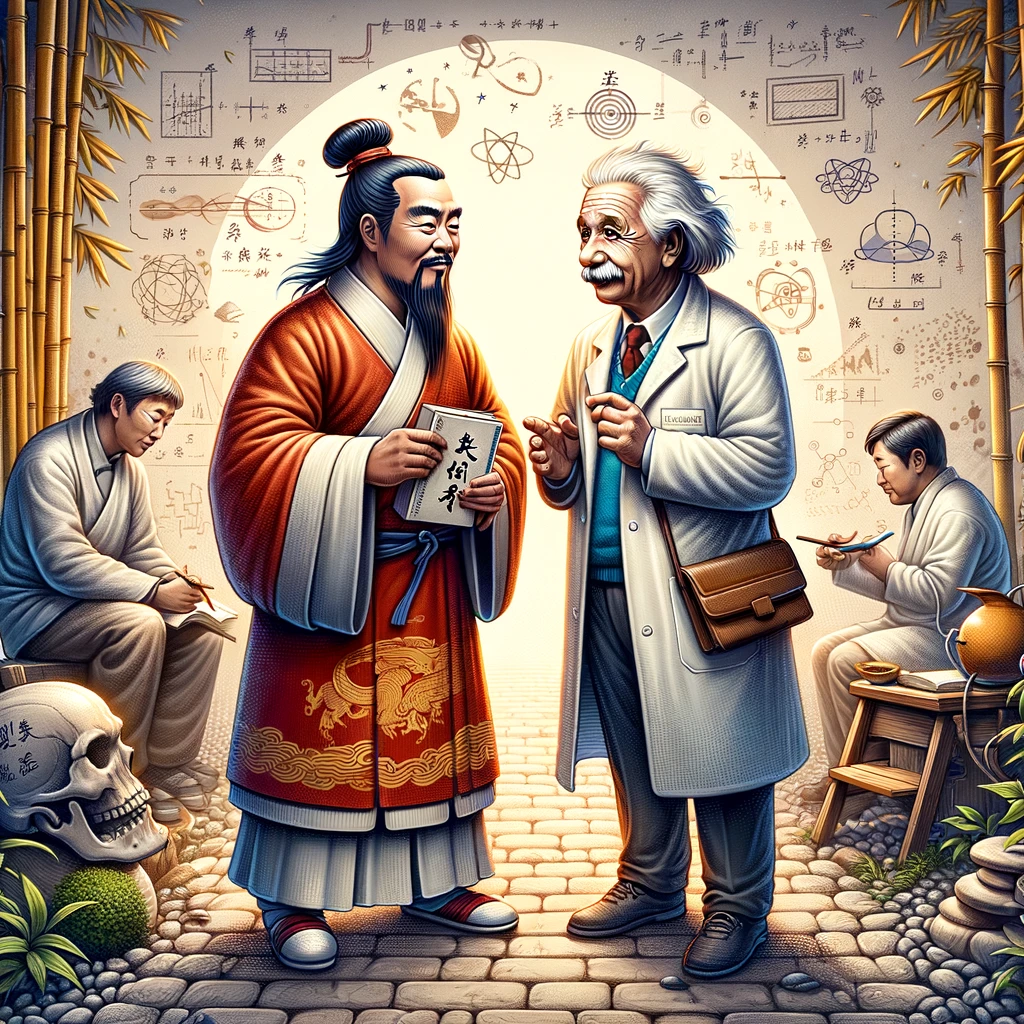
Sun Tzu emphasized the importance of being adaptable to changing circumstances. This idea can be related to the concept of innovation in that successful organizations or armies must continually adapt and innovate to overcome new challenges.
Surprise and Deception
Sun Tzu often talked about the element of surprise and the importance of deceiving the enemy. In a modern context, militaries and businesses can “surprise” their competition through disruptive innovations, thus gaining a competitive edge.
Knowing the Enemy and Knowing Yourself
Sun Tzu argued that understanding both your own capabilities and the enemy’s is key to victory. In warfare and business terms, this could mean understanding not just your own organization’s strengths and weaknesses, but also those of your competitors, thus identifying gaps where innovation can provide an advantage.
Economy of Force
Sun Tzu stressed the importance of achieving the maximum impact with the minimum necessary effort, which can be related to the modern concept of lean innovation or doing more with less.
Situational Awareness
Sun Tzu’s emphasis on understanding the environment and adapting strategies is a principle that holds significant value for both modern military organizations and businesses. In a military context, this entails staying informed about geopolitical shifts, emerging threats, and advancements in technology to maintain strategic superiority. For businesses, it translates into keeping a pulse on market trends, evolving customer preferences, and the latest technological innovations to stay competitive and innovative. Both sectors must continuously assess and respond to their external environment to devise strategies that are not only reactive but also proactive in addressing the challenges and opportunities they face.
While Sun Tzu did not discuss innovation in the way we talk about it today, the principles laid out in “The Art of War” can be applied to innovative thinking and strategic planning in various fields.
Western vs Eastern Thought
Comparing Western strategic thought with the principles laid out by Sun Tzu in “The Art of War” offers an intriguing perspective on how different cultures approach strategy, innovation, and leadership. Western strategic thought, shaped largely by a different historical and philosophical context, exhibits both contrasts and similarities with Sun Tzu’s ideas.
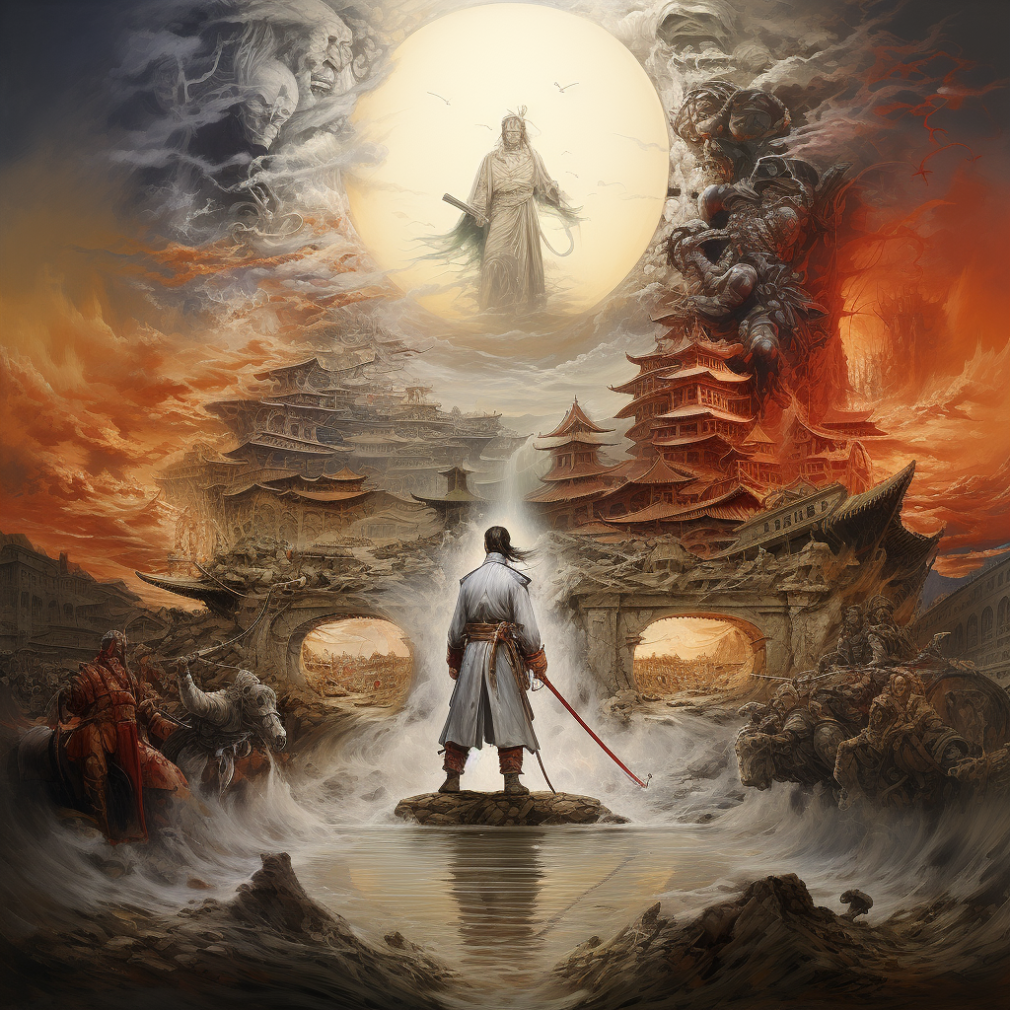
- Emphasis on Direct Confrontation vs. Indirect Approach:
- Western Thought: Traditionally, Western military strategy often emphasized direct confrontation and decisive battles. Thinkers like Carl von Clausewitz, a Prussian military theorist, advocated the concept of total war and the decisive battle as the means to achieve victory. This approach focuses on the direct, physical destruction of enemy forces.
- Sun Tzu: In contrast, Sun Tzu emphasized winning without fighting or, when combat is necessary, winning with the least amount of direct conflict. His approach is more about outmaneuvering the enemy, using deception, intelligence, and psychological warfare.
- Resource Utilization:
- Western Thought: Western strategy has historically focused on the accumulation and application of superior resources, whether in manpower, technology, or firepower. The idea is often to overwhelm the enemy with sheer force or technological advantage.
- Sun Tzu: Sun Tzu, on the other hand, talks about the efficient use of resources, minimizing one’s own costs while exploiting the enemy’s weaknesses. His philosophy includes using what is available effectively, and even turning the enemy’s resources against them.
- Leadership and Morale:
- Western Thought: Western strategic thought has evolved to place a significant emphasis on leadership and morale. However, this was not always the case; earlier strategic doctrines often prioritized tactical and operational considerations over the human element.
- Sun Tzu: Sun Tzu was ahead of his time in emphasizing the importance of moral influence, leadership, and the psychological state of both the troops and the enemy. He believed that the art of war is of vital importance to the state and that it is essential to cultivate moral harmony.
- Adaptability and Flexibility:
- Western Thought: Adaptability and flexibility have become key components in modern Western military doctrine, especially with the advent of asymmetrical warfare and rapidly changing technological landscapes.
- Sun Tzu: Adaptability is a central theme in Sun Tzu’s strategy. He advocates for a fluid approach, adapting to changing circumstances and exploiting opportunities as they arise.
- Ethical and Moral Considerations:
- Western Thought: Western military ethics have evolved, especially in modern times, to include considerations of just war theory and the protection of non-combatants. However, this is a relatively recent development in the long view of Western military history.
- Sun Tzu: Sun Tzu’s approach includes considerations of what might be viewed as ethical warfare. He advised against unnecessary prolongation of war and highlighted the importance of limiting conflict.
- Influence Beyond Military:
- Western Thought: Western strategic thought, especially in modern times, has influenced business, sports, and politics, with many principles of military strategy being adapted to these fields.
- Sun Tzu: Similarly, Sun Tzu’s principles have been widely applied outside of the military context, particularly in business strategy and leadership.
So, while Western strategic thought has often focused on direct confrontation and resource superiority, Sun Tzu’s philosophy emphasizes indirect approaches, efficiency, and psychological aspects. Both schools of thought recognize the importance of leadership, adaptability, and moral considerations, although these elements have been historically more central in Sun Tzu’s teachings. As Western strategic thought continues to evolve, it increasingly incorporates principles that echo those of Sun Tzu, demonstrating the timeless relevance of his insights.
SUN TZU TODAY
The current strategic tensions and competition between the United States and China, particularly in the realm of technology and defense, can be analyzed through a lens influenced by Sun Tzu’s strategic principles. Sun Tzu, known for his seminal work “The Art of War,” emphasized understanding both the enemy and oneself to ensure victory, a principle that remains relevant in modern international relations and strategic thinking.
In the context of the US-China strategic competition, several key aspects stand out:
- Strategic Focus Shift: The United States shifted its strategic focus to great power competition with China (and Russia) with the 2018 National Defense Strategy. This shift came after China had been viewing the US as its primary adversary since at least 1999, tailoring its strategy to counter the US by learning from American strengths and exploiting weaknesses.
- Approach to Strategy: The US has been critiqued for pursuing centralized, top-down approaches reminiscent of communist planning, whereas a more effective strategy might lie in embracing American values of diversity, agility, adaptability, and decentralization. This perspective aligns with Sun Tzu’s advice against repeating the same tactics and adapting methods to varied circumstances.
- Technology Competition: The US-China competition is multidimensional, involving technological, economic, military, and political elements. The focus shouldn’t solely be on numerical measures like patents or academic publications, but on meaningful metrics that reflect real-world impact, quality, context, and implementation. The US’s strengths in innovation, such as robust IP protection, high returns to innovation, and strong government-university-industry linkages, should be leveraged.
- Strategic Goals and Recommendations: The US strategy to maintain its technological edge involves three goals: preserving its advantage in technological development, harmonizing strategy and policy with allies, and retaining international cooperation in technology trade and scientific research. Key recommendations include restoring and sustaining public R&D funding, improving STEM education, crafting a diverse tech sector, attracting global talent, and engaging with China, acknowledging that complete decoupling is neither feasible nor desirable.
This strategic landscape reflects both the wisdom of Sun Tzu and the unique challenges of modern international relations. The US, by focusing on its strengths and adapting to the changing global context, can navigate this competition effectively while upholding its core values and strategic interests.
In The End
The strategic interplay between the United States and China, viewed through the lens of Sun Tzu’s ancient wisdom, presents a complex tapestry of modern geopolitics and technology-driven competition. It is a scenario where the subtleties of “The Art of War” meet the multifaceted realities of global power dynamics. While the timeless principles of understanding both the adversary and oneself hold true, their application in today’s world involves navigating a labyrinth of technological advancements, economic entanglements, and shifting political landscapes. The US, with its focus on innovation, adaptability, and alliances, and China, with its strategic long-term planning and rapid technological growth, continue to engage in a dance that is as much about strategic prowess as it is about upholding and projecting national identities. This ongoing contest, reflecting both adherence to and deviation from Sun Tzu’s teachings, underscores the enduring relevance of strategic thinking, while also highlighting the unique challenges and opportunities of the 21st century’s international relations stage.
 Mastermind Century Group