

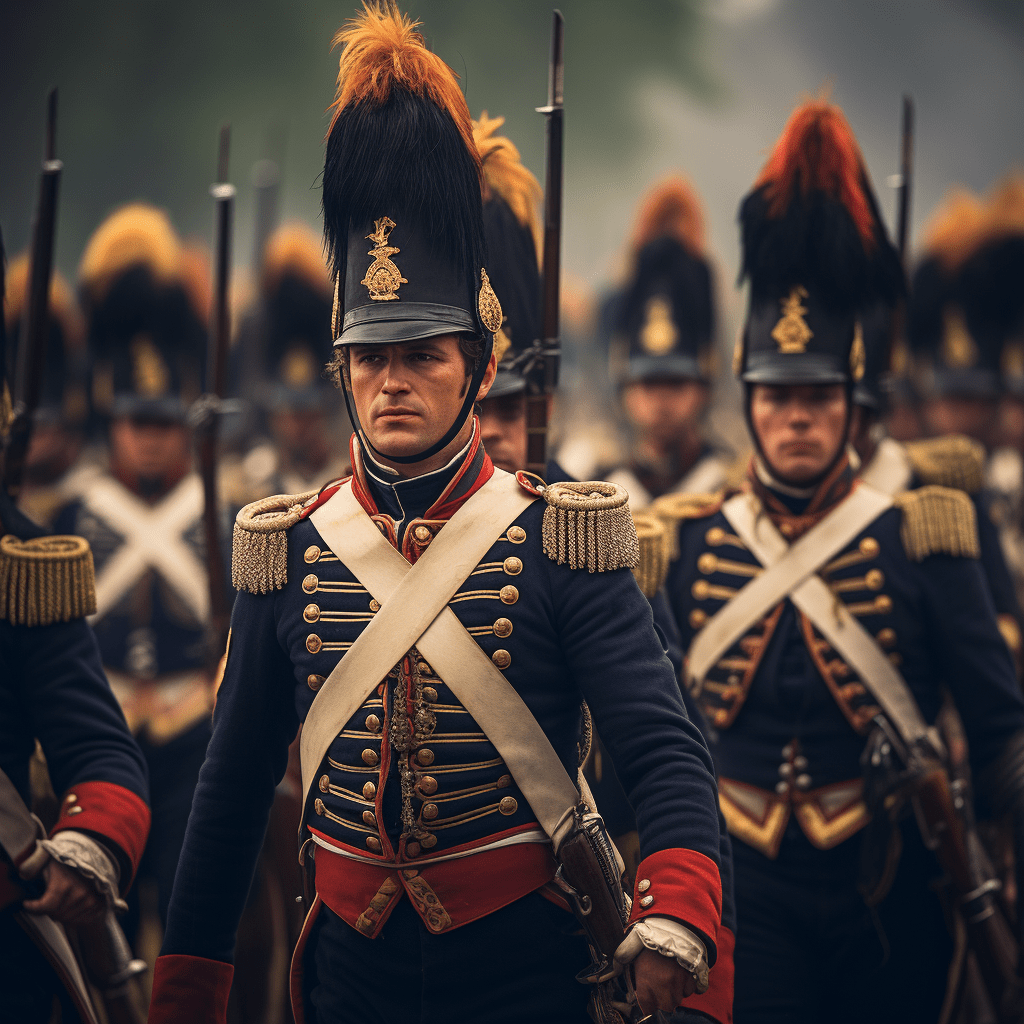
Help me make the most of freedom and of pleasure
Nothing ever lasts forever
Everybody wants to rule the world. .
-Tears for Fears, Everybody wants to Rule The World (1985)

The song “Everybody Wants to Rule the World” by Tears for Fears was released in 1985 and became one of the Tears For Fears most recognizable hits. The song addresses themes of power, ambition, and the complexities and anxieties associated with wielding authority. The lyrics and the music video show elements that reflect the socio-political climate of the time, including the Cold War, which was still ongoing.
The original lyric “Everybody wants to go to war,” as cited by Roland Orzabal, one of the band’s co-founders, offers a deeper layer of understanding when analyzing the song’s thematic content. It suggests that Orzabal had initially conceived of the song as perhaps more directly critical or cynical about humanity’s tendencies toward conflict and power struggles.
Just a fun fact…of course, I know of nobody on a military staff anywhere that wants to go to war, but what in the world is the purpose of a military staff and where did it come from?
STAFF HISTORY
The staff concept used by modern military organizations, including the United States Air Force (USAF), has its roots in historical military traditions and has evolved over time.
- Prussian General Staff System: The modern concept of a General Staff can be traced back to the Prussian General Staff system, developed in the early 19th century. This system was instrumental in organizing and coordinating various military functions, and it played a key role in Prussia’s military successes. General Gerhard von Scharnhorst is often credited with initiating reforms that led to the creation of this system.
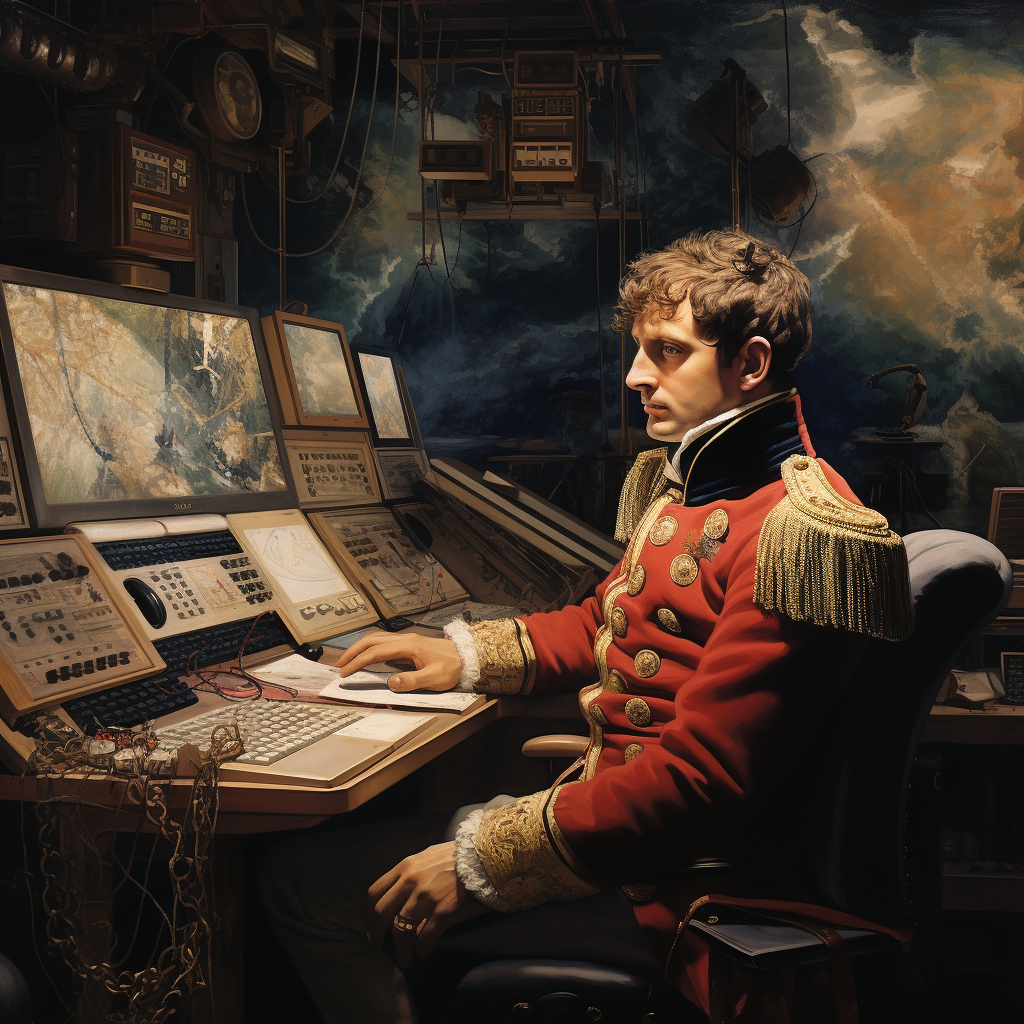
- Napoleonic Influence: The Napoleonic Wars also had a significant influence on the development of staff functions. Napoleon Bonaparte’s use of staff officers to plan and coordinate operations demonstrated the value of specialized staff roles.
- World War I and II: The staff concept continued to evolve during the World Wars, adapting to the complexities of modern warfare. The U.S. military adopted and expanded upon European staff concepts, developing a system that included specialized functions for intelligence, operations, logistics, and other areas.
- Joint Staff System: The U.S. Department of Defense further formalized the Joint Staff system, including the J1, J2, J3, etc., designations, following the Goldwater-Nichols Act of 1986. This act aimed to improve coordination and integration across different branches of the military, leading to the standardization of staff functions within joint commands.
- Air Force Adaptation: The USAF adapted these concepts to its specific needs, resulting in the A1, A2, A3, etc., designations for Air Staff functions. This system aligns with the broader joint staff concept but is tailored to the unique roles and responsibilities of the Air Force.
WHY THE PRUSSIANS?
The Prussian General Staff System was a military structure developed in Prussia during the early 19th century, and it became a model for military staff organization around the world.
Development
The Prussian General Staff System’s origins are traced back to the reforms initiated by General Gerhard von Scharnhorst and others following Prussia’s defeat by Napoleon in 1806. Recognizing the need for a more efficient and professional military, they implemented a series of reforms that laid the groundwork for the General Staff System.
Structure
- Professionalism: The Prussian General Staff was composed of highly educated officers who were trained at the Kriegsakademie (War Academy) in Berlin. They were selected based on merit rather than nobility or social status.
- Specialization: The staff was divided into specialized sections, each responsible for different aspects of military planning and operations, such as intelligence, logistics, and strategy.

- Centralization: The General Staff served as a central coordinating body, ensuring that military plans were consistent and aligned with overall strategic objectives.
- Flexibility: The system emphasized adaptability and encouraged staff officers to think creatively and independently. This allowed the Prussian military to respond quickly to changing circumstances on the battlefield.
- Integration: The General Staff worked closely with field commanders, ensuring that strategic planning was integrated with tactical execution. Staff officers were often assigned to specific units, facilitating communication and coordination between different levels of command.
Impact
- Military Success: The Prussian General Staff System contributed to several significant military victories, including the Wars of German Unification. Its efficiency and effectiveness were widely recognized.
- Influence on Other Countries: The system became a model for other countries, including the United States and various European nations. Many adopted similar structures and practices, recognizing the value of a professional and specialized staff.
- Legacy: The Prussian General Staff System laid the foundation for modern military staff organization. Its principles of professionalism, specialization, centralization, flexibility, and integration continue to influence military thinking and practice today.
The Prussian General Staff System was a bit of a revolutionary development in military organization and strategy. By emphasizing education, specialization, and coordination, it transformed the way militaries planned and conducted operations. Its legacy continues to be felt in modern military structures, reflecting its enduring impact on the art and science of warfare.
WHY A STAFF?
The purpose of the modern day military staff is to assist the commander in the planning, coordination, and execution of military operations. The staff serves as an extension of the commander’s decision-making process, providing specialized expertise and support in various functional areas.

The U.S. Department of Defense (DoD) uses a Joint Staff numbering system to designate various staff sections within a joint military command. These numbers are used to identify different functional areas, and they are typically prefixed with the letter “J.” Here’s a breakdown of what each number represents:
- J1: Personnel and Manpower – This section is responsible for human resources, including personnel management, staffing, and related matters.
- J2: Intelligence – The J2 section is in charge of collecting, analyzing, and disseminating intelligence information. This includes assessing threats and providing intelligence support to planning and operations.
- J3: Operations – The J3 section oversees current and future operations, including planning, coordination, and execution of missions. This can encompass everything from combat operations to humanitarian assistance.
- J4: Logistics – This section is responsible for the planning, execution, and oversight of logistics support, including supply, maintenance, transportation, and other related functions.
- J5: Plans and Policy – The J5 section focuses on strategic planning, policy development, and coordination with other governmental and international organizations.
- J6: Command, Control, Communications, and Computer Systems (C4) – The J6 section manages the information technology and communications systems that support the command’s mission.
- J7: Operational Plans and Joint Force Development – This section is responsible for training, joint doctrine development, and other aspects of preparing the force for future operations.
- J8: Force Structure, Resources, and Assessment – The J8 section is involved in analyzing and assessing the resources required to carry out the command’s missions, including budgeting and financial management.
These designations help to standardize the structure of joint staff across different commands and branches, ensuring that each functional area is clearly defined and understood. It allows for more efficient coordination and collaboration among different parts of the military and supports the integration of efforts across the various branches of the armed forces.
LET’S ADD SOME MORE NUMBERS FOR INNOVATION (and maybe nukes)
In the United States Air Force (USAF), the “A” prefix is substituted for the “J” and used to designate staff sections within an Air Force command. The USAF adds numbers such as “A9” designation which typically refers to the office responsible for studies, analyses, assessments, innovation, and lessons learned. The Air Staff also has added as “A10” responsible for nuclear operations and policy.
A more detailed breakdown of what the A9 might represent:
- Studies and Analyses: The A9 office may conduct various studies and analyses to support decision-making, planning, and strategy development within the Air Force. This can include evaluating different courses of action, assessing risks, and analyzing various operational and strategic issues.
- Assessments: This section might be involved in ongoing assessments of Air Force operations, capabilities, and performance. This can help identify areas for improvement, measure progress toward goals, and ensure that resources are being used effectively.
- Lessons Learned: The A9 may also be responsible for collecting and disseminating lessons learned from exercises, operations, and other activities. This helps ensure that valuable insights and experiences are captured and shared across the Air Force, contributing to continuous improvement and organizational learning.
- Innovation and Integration: In some contexts, the A9 office plays a role in fostering innovation and integrating new technologies, concepts, or practices into Air Force operations.
The specific responsibilities and functions of the A9 office vary depending on the particular command or organization.
The “A10” designation typically refers to the office responsible for nuclear operations and policy. This specialized staff section focuses on the planning, coordination, and oversight of the Air Force’s nuclear deterrence mission. Given the critical importance and sensitivity of nuclear operations, the A10 office plays a vital role in ensuring the effectiveness, safety, and security of the Air Force’s nuclear capabilities.
IS IT TIME FOR A NEW STAFF STRUCTURE
Something I ponder often, but have yet to formulate a good answer or solution. The question of whether it’s time for a new staff structure in a military context is complex and depends on various factors, including the current challenges, technological advancements, organizational goals, and the evolving nature of warfare. Here’s my quick analysis of some considerations that might inform the decision to adapt or overhaul existing staff structures:

1. Changing Nature of Warfare:
Modern warfare is increasingly characterized by hybrid threats, cyber warfare, information operations, and complex multi-domain environments. A staff structure that can effectively address these challenges may require new specializations, coordination mechanisms, and decision-making processes.
2. Technological Advancements:
The integration of new technologies such as artificial intelligence, autonomous systems, and advanced communication tools may necessitate changes in staff roles, training, and organization. Adapting the staff structure to leverage these technologies could enhance efficiency and effectiveness.
3. Interagency and Multinational Coordination:
Modern military operations often involve coordination with other governmental agencies, international organizations, and allied forces. A staff structure that facilitates this coordination and integrates diverse perspectives may be beneficial.
4. Agility and Adaptability:
Rapid decision-making and adaptability are increasingly important in a fast-paced and unpredictable global environment. A more flexible and responsive staff structure might be needed to meet these demands.
5. Human Capital and Leadership Development:
Investing in the education, training, and development of staff officers is crucial for success in complex and dynamic environments. A staff structure that supports continuous learning and leadership development may be a key consideration.
6. Assessment and Evaluation:
Before implementing significant changes to the staff structure, a thorough assessment of the current system’s strengths and weaknesses, as well as a clear understanding of the desired outcomes, is essential. This may include wargaming, simulations, and other analytical tools to evaluate potential changes.
The decision to adapt or overhaul a staff structure is a significant one that requires careful consideration of various factors. While there may be compelling reasons to explore new staff structures, such changes should be guided by a clear understanding of the current challenges, opportunities, and goals. Collaboration with experts in military strategy, organizational behavior, technology, and other relevant fields, as well as a willingness to experiment and learn from both successes and failures, will likely be key to developing a staff structure that is fit for the future.
FINALLY
The staff has always been fascinating to me. There are a myriad of aspects of military staff structures, from their historical origins in the Prussian General Staff System to their modern-day functions and potential for future evolution–all fascinating. The overarching theme is simply military staff structures are dynamic and adaptable, designed to meet evolving strategic objectives, technological advancements, and the complex challenges of modern warfare.
 Mastermind Century Group