


Who do you want to be today?
Who do you want to be?
Who do you want to be today?
Do you want to be just like someone on TV?
Oh, boredom is so terrible; it’s like a dread disease
Nothing could be worse
Than when there’s nothing on TV
I’d rather be a cowboy than to stare blank at the walls
I’ve been reborn so many times
I can’t remember them all. –Oingo Boingo “Who Do You Want To Be” (1983)
“To be somebody or to do something. In life there is often a roll call. That’s when you will have to make a decision” (attributed to John Boyd)
Colonel John Boyd was a United States Air Force fighter pilot and military strategist—dare I say innovator. He is considered to be one of the most influential military thinkers of the 20th century and is known for his development of the concept of the “OODA loop” (observe, orient, decide, act). Boyd’s ideas have been applied not only in military contexts but also in business, sports, and other fields. He also was a proponent of the concept of “energy-maneuverability” in aircraft design and developed the F-16 Fighting Falcon, one of the most successful fighter aircraft in history. He passed away in 1997
THE MAD MAJOR
John Boyd… sometimes known as “The Mad Major” due to his reputation as an unconventional and unorthodox thinker within the military establishment. The nickname highlights his willingness to challenge the status quo and question traditional approaches to military strategy and decision-making.
Boyd’s unconventional ideas and his tendency to challenge conventional wisdom often put him at odds with his superiors and colleagues. He was known for his passionate and forceful communication style when advocating for his ideas, which sometimes led to conflicts with those who held more traditional views.
While the nickname “The Mad Major” may have been used somewhat facetiously, it also reflects the perception that Boyd’s approach to military strategy and thinking was unconventional and at times even radical. Despite any opposition he faced, Boyd’s ideas and theories have since gained significant recognition and have had a lasting impact on the field of military strategy and beyond.
GHETTO COLONEL
Boyd was also sometimes referred to as the “Ghetto Colonel.” This nickname was used to highlight his reputation as an outsider who challenged the established norms and traditional thinking within the military establishment.
The nickname “Ghetto Colonel” alludes to the idea that Boyd’s ideas and approaches were not widely accepted or embraced by the mainstream military leadership. He was seen as operating on the fringes of the military establishment and often faced resistance from those who held more traditional views.
Boyd’s willingness to challenge the status quo and his unorthodox approach to military strategy and thinking contributed to his reputation as the “Ghetto Colonel.” Despite any skepticism or resistance he encountered, his ideas and theories have had a significant and lasting impact on the field of military strategy and continue to be studied and applied today.
Further, John Boyd was known to live a spartan and modest lifestyle. He was dedicated to his work and his ideas, and he often prioritized his intellectual pursuits over material comforts.
Boyd’s commitment to his work and ideas led him to focus on simplicity and efficiency in his personal life. He reportedly wore the same flight suit for years and drove an old car. He valued his time for research, study, and writing, and he was not concerned with accumulating material possessions.
His lifestyle choices were aligned with his broader philosophy and approach to life, which emphasized focusing on what he considered to be the essential factors and disregarding unnecessary distractions. Boyd’s dedication to his work and his willingness to live a simple lifestyle contributed to his reputation as an unorthodox thinker who was focused on his ideas and contributions to the field of military strategy.
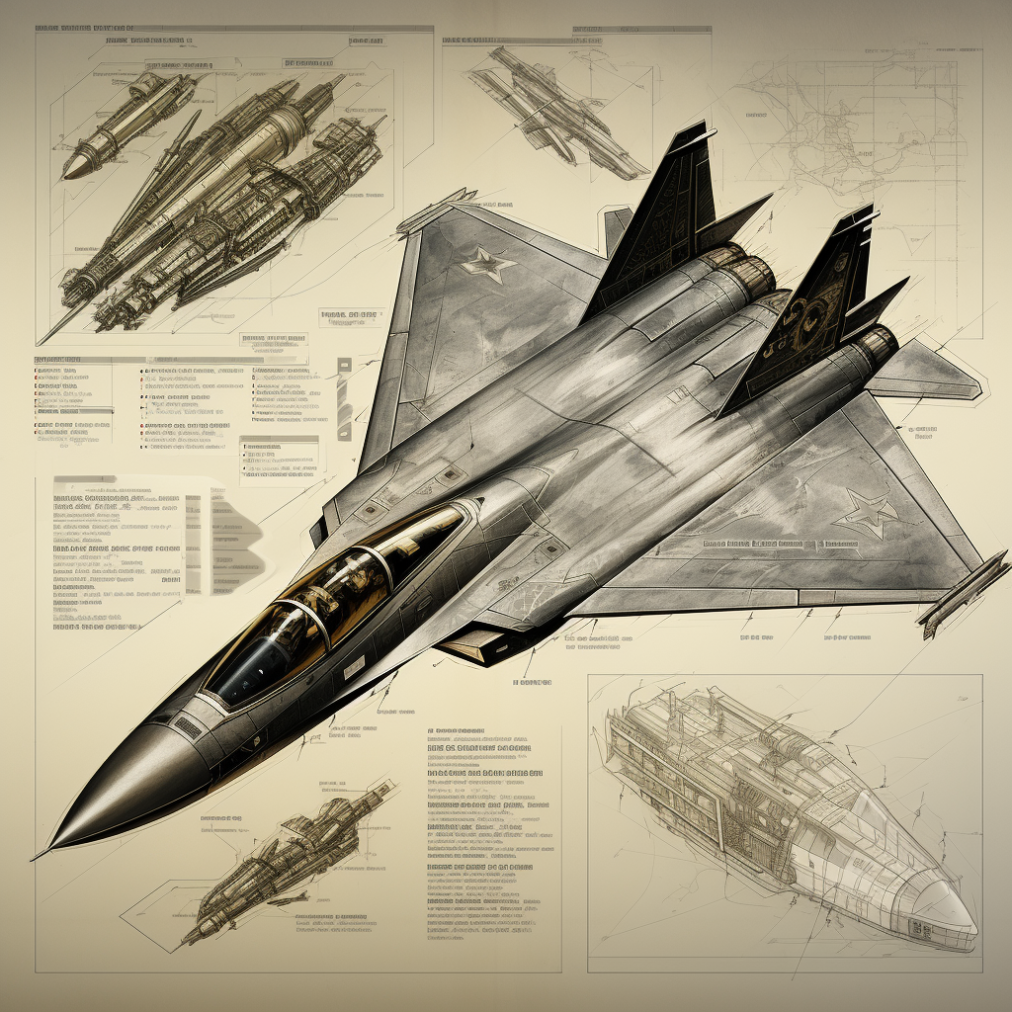
INNOVATOR
John Boyd was a highly innovative thinker and strategist. He was known for his unconventional ideas and his ability to come up with creative solutions to complex problems.
One of Boyd’s most significant innovations was the development of the OODA loop, a decision-making model that has been widely applied in military, business, and other fields. The OODA loop has been credited with helping organizations make quick and effective decisions in rapidly changing situations and has become a cornerstone of modern strategic thinking.
Boyd was also a key figure in the development of modern military aircraft. He played a key role in the design of the F-15 and F-16 fighter jets, which are still in use today. He was known for his ability to think creatively about the capabilities and limitations of aircraft and to come up with innovative design solutions that addressed these issues.
In addition to his work on military strategy and aircraft design, Boyd was also a highly influential teacher and mentor. He is widely respected as one of the most influential military strategists of the 20th century, and his ideas and teachings continue to be studied and applied in a wide range of fields.

OODA LOOP
The OODA loop is a decision-making model proposed by Colonel John Boyd to explain how individuals and organizations can make quick and effective decisions in rapidly changing situations. The acronym stands for Observe, Orient, Decide, and Act.
According to the theory, the OODA loop operates as a continuous cycle, with each phase informing the next. The process begins with the observation of the environment, which involves gathering information about the situation at hand. This is followed by the orientation phase, in which the individual or organization interprets the observed data and determines its significance.
Based on this interpretation, the individual or organization then makes a decision about how to proceed. This is followed by the action phase, in which the chosen course of action is implemented.
Boyd argued that the key to success in any conflict is the ability to process information and make decisions faster than one’s opponent. By going through the OODA loop more quickly and effectively than one’s adversary, it is possible to gain an advantage and achieve victory. The OODA loop has been widely applied in military, business, and other fields as a way of improving decision-making and adapting to changing circumstances.
AERIAL ATTACK STUDY
The Aerial Attack Study was an innovative research project conducted by Boyd. The study focused on the effectiveness of different aircraft designs and tactics in air-to-air combat. Boyd used a combination of simulations, mathematical models, and actual flight testing to compare the performance of different aircraft and tactics under a variety of conditions.
One of the key insights that emerged from the Aerial Attack Study was the importance of energy management in air-to-air combat. Boyd found that the ability to control one’s energy state (i.e., the speed and altitude of the aircraft) was a critical factor in determining who had the advantage in a dogfight. He also identified several key design characteristics that were important for maximizing an aircraft’s energy-maneuverability performance, including low wing loading, a high thrust-to-weight ratio, and a compact, streamlined shape.

The Aerial Attack Study was highly influential, and its findings were used to inform the design of several generations of military aircraft, including the F-15 and F-16 fighter jets. The study is still widely cited today as a classic example of the use of scientific analysis to improve the performance of military systems.
ENERGY MANEUVERABILITY THEORY
Energy-maneuverability theory is a mathematical model that describes how an aircraft’s performance is affected by its energy state (i.e., its speed and altitude) and its ability to maneuver. It was developed by John Boyd, a United States Air Force fighter pilot and military strategist, as part of his Aerial Attack Study.
According to energy-maneuverability theory, an aircraft’s energy state and its ability to maneuver are interconnected and influence each other. An aircraft with a high energy state (i.e., high speed and/or altitude) will have a greater ability to perform maneuvers that require a lot of energy, such as climbing or making sharp turns. However, it will also have a lower ability to perform maneuvers that require less energy, such as loitering or making slow turns.
Energy-maneuverability theory provides a way to compare the relative performance of different aircraft under different conditions and to predict how an aircraft’s performance will be affected by changes in its energy state or its ability to maneuver. It has been widely used to inform the design of military aircraft and to develop tactics for air-to-air combat.
WINING AND LOSING
“A Discourse on Winning and Losing” was a paper written by John Boyd. In the paper, Boyd discusses the nature of conflict and the factors that contribute to victory and defeat.
One of the key insights that Boyd presents in the paper is that the outcome of a conflict is often determined by the ability of the opposing parties to adapt and change in response to changing circumstances. Boyd argues that the key to success in any conflict is the ability to process information and make decisions faster than one’s opponent. He asserts that the party that is able to observe, orient, decide, and act more quickly and effectively than its opponent will have the advantage and will be more likely to achieve victory.
Boyd also discusses the importance of maintaining the initiative in conflict, arguing that the party that is able to dictate the terms of the engagement will have a significant advantage. He emphasizes the importance of surprise, deception, and speed in achieving this goal.
Overall, “A Discourse on Winning and Losing” is a thought-provoking and influential work that has had a major impact on military strategy and thinking about conflict. It is widely studied and cited by military leaders and strategists, and it continues to be highly relevant today.
PATTERNS OF CONFLICT
“Patterns of Conflict” is another paper written by John Boyd, discussing the nature of conflict and the patterns that tend to emerge in different types of conflicts.
Boyd identifies four distinct patterns of conflict: the attrition pattern, the maneuver pattern, the total war pattern, and the revolutionary war pattern. Each of these patterns is characterized by a different set of goals and objectives, a different set of tactics and strategies, and a different set of outcomes.
In the attrition pattern, the primary goal is to wear down the opponent through a series of incremental losses. This pattern is characterized by a focus on attrition and the systematic destruction of the opponent’s resources.
In the maneuver pattern, the goal is to outmaneuver the opponent and gain a position of advantage. This pattern is characterized by a focus on mobility and the use of surprise and deception to achieve victory.

In the total war pattern, the goal is to destroy the opponent’s ability to wage war and to impose unconditional surrender. This pattern is characterized by a total commitment to victory and the use of all available resources to achieve it.
In the revolutionary war pattern, the goal is to fundamentally transform the opponent’s society and political system. This pattern is characterized by a focus on political, social, and ideological factors, and it often involves a struggle for the support of the population.
“Patterns of Conflict” is a thought-provoking and influential work that has had a major impact on military strategy and thinking about conflict. It is widely studied and cited by military leaders and strategists, and it continues to be highly relevant today.
EDUCATION
John Boyd was a highly educated and highly intelligent individual. He received a bachelor’s degree in economics from the University of Iowa in 1943 and later received a master’s degree in aeronautical engineering from the Georgia Institute of Technology in 1952.
In addition to his formal education, Boyd was also a voracious learner and was known for his ability to absorb and synthesize large amounts of information. He was an avid reader and was known to spend hours in the library researching a wide variety of topics.
Boyd was also a gifted teacher and mentor, and he was highly respected by his colleagues and students for his intelligence and his ability to communicate complex ideas in a clear and concise manner. He is widely respected as one of the most influential military strategists of the 20th century, and his ideas and teachings continue to be studied and applied in a wide range of fields.
REPUTATION
John Boyd was for the most part highly respected and well-regarded within the United States military and by many of his peers. He was known for his intelligence, his creativity, and his ability to come up with innovative solutions to complex problems.
Boyd was also known for his independent thinking and his willingness to challenge the conventional wisdom. He was not afraid to speak his mind and to defend his ideas, even if they were unpopular or ran counter to the prevailing views of the time. This earned him a reputation as an unorthodox and unconventional thinker, and, of course, he was often referred to as the “Mad Major” or the “Ghetto Colonel” by those who did not fully understand or appreciate his ideas.
Despite his reputation as an outsider, Boyd was highly respected and admired by many of his colleagues and students. He was known for his ability to communicate complex ideas in a clear and concise manner and was highly influential as a teacher and mentor.
CHALLENGING CONVENTION
John Boyd’s independence and willingness to challenge the conventional wisdom often made him a controversial figure within certain circles, and there were certainly those who saw him as irrelevant or even detrimental to the goals and objectives of the military.
Boyd’s unorthodox ideas and his tendency to question the status quo often put him at odds with the military establishment, and there were those who saw him as a disruptive influence that needed to be contained or silenced.
However, despite the opposition he faced, Boyd’s ideas and theories continued to gain traction, and his reputation as a highly intelligent and innovative strategist only continued to grow. His ideas and theories have had a major impact on military strategy and decision-making, and he continues to be widely respected and studied today as one of the most important military strategists of the 20th century.
In the end, while Boyd may have been controversial and sometimes seen as irrelevant in some circles, his independent thinking and his willingness to challenge the conventional wisdom have helped to shape modern military strategy and have earned him a place as one of the most influential military leaders of the 20th century.
CRITICISM
While John Boyd is widely respected for his contributions to military strategy and thinking, there have been some negative viewpoints or criticisms of his ideas and approaches. Some of the negative issues or criticisms related to Boyd include:
- Overemphasis on Airpower: Some critics argue that Boyd’s theories and approaches place too much emphasis on airpower and technological superiority, potentially overlooking the importance of ground forces and other elements of warfare.
- Lack of Concrete Plans: Some have criticized Boyd for being more focused on developing theories and concepts rather than providing concrete plans for specific military operations. Critics argue that his ideas are often high-level and abstract, making them challenging to implement in practical situations.
- Controversial Communication Style: Boyd was known for his passionate and sometimes forceful communication style when advocating for his ideas. This approach could sometimes lead to conflicts with colleagues and superiors, which may have impacted his relationships within the military establishment.
- Disruption and Unconventional Approach: Boyd’s willingness to challenge established norms and traditional thinking sometimes led to friction with those who held more conventional views. His unorthodox approach to military strategy could be seen as disruptive and potentially divisive within the military community.
- Limited Acceptance during His Time: While Boyd’s ideas and theories have gained recognition over time, there were periods when he faced skepticism and resistance from the mainstream military establishment. Some critics argue that his ideas were not fully appreciated or accepted during his career.
It’s important to note that criticisms of Boyd’s work are not universally held, and many consider his ideas to be groundbreaking and valuable contributions to the field of military strategy. Boyd’s legacy continues to be the subject of debate and discussion among military professionals, scholars, and strategists.
BE SOMEBODY or DO SOMETHING
The quote “To be somebody or to do something. In life there is often a roll call. That’s when you will have to make a decision” is often attributed to John Boyd, and it reflects his views on the importance of making decisions and taking action in life.
Boyd believed that in life, there are moments when you are called upon to make a choice about who you are and what you want to accomplish. These moments, or “roll calls”, can take many different forms, but the essential idea is that at some point, you have to decide whether you want to be someone who simply goes through the motions, or whether you want to take control of your life and make a difference.
For Boyd, the choice was clear: he wanted to be someone who made a difference, and he was not afraid to take action and pursue his goals, even in the face of opposition and criticism. This independence and willingness to challenge the status quo is a key part of his legacy, and it is one of the reasons why he continues to be widely studied and admired today.
In short, the quote is a reminder of the importance of taking action in life, and of making choices that reflect who you are and what you want to achieve. According to Boyd, it is in these moments of decision that you have the opportunity to make a real impact, and to leave a lasting legacy.

 Mastermind Century Group