


Welcome my son
Welcome to the machine
Where have you been?
It’s alright we know where you’ve been
You’ve been in the pipeline
Filling in time
Provided with toys and scouting for boys
You brought a guitar to punish your ma
And you didn’t like school
And you know you’re nobody’s fool
So welcome to the machine -Pink Floyd, Welcome To The Machine, 1975

Welcome to the new world of fast-paced disruptive innovation, where game-changing technologies and unconventional business models are upending industries and rewriting the rules of the game. This journey is not one for the faint hearted. Exploring the fascinating and chaotic concepts of disruptive innovation, its key characteristics, and the impact it has on markets, competitors, and consumers, is interesting and incredibly difficult to replicate. Buckle up and surf the relentless waves of change and uncover the secrets of thriving in this era of constant disruption.
DISRUPTION
Disruptive innovation is a term coined by Harvard Business School professor Clayton Christensen in his 1997 book “The Innovator’s Dilemma.” It refers to a process by which a new product, service, or business model enters a market and significantly alters the dynamics of that market by offering a better, more accessible, or more affordable solution compared to existing offerings. Disruptive innovations often start by targeting overlooked or underserved segments of the market and gradually gain traction until they eventually displace established competitors.

Disruptive innovation differs from incremental or sustaining innovation, which involves making improvements to existing products or services to maintain or grow market share without fundamentally changing the market structure.
Characteristics of disruptive innovations include:
- Lower price: Disruptive innovations often provide a more affordable option compared to incumbent offerings, making them more accessible to a wider customer base.
- Simplicity: Disruptive products or services tend to be simpler and easier to use, focusing on core features that cater to the most essential needs of customers.
- Accessibility: Disruptive innovations often target non-consumers or underserved segments of the market, providing them with previously inaccessible solutions.
- Novel business models: Disruptive innovations are often accompanied by innovative business models that challenge established practices, allowing the disruptor to create and capture value in new ways.
Examples of disruptive innovations include:
- The personal computer, which disrupted the mainframe and minicomputer market by providing an affordable and accessible computing solution for individual users.
- Digital photography, which disrupted the traditional film-based photography market by offering a more convenient and cost-effective way of capturing and sharing images.
- Online streaming services like Netflix, which disrupted the traditional cable TV and DVD rental industry by providing a more flexible and affordable way to access and consume content.
- Ride-sharing platforms like Uber and Lyft, which disrupted the traditional taxi industry by providing a more convenient, affordable, and user-friendly transportation alternative.
Disruptive innovation can lead to significant market shifts, create new industries, and render existing products or services obsolete. For established businesses, understanding and adapting to disruptive innovations is critical to maintaining competitiveness and long-term success.
DISFUSION
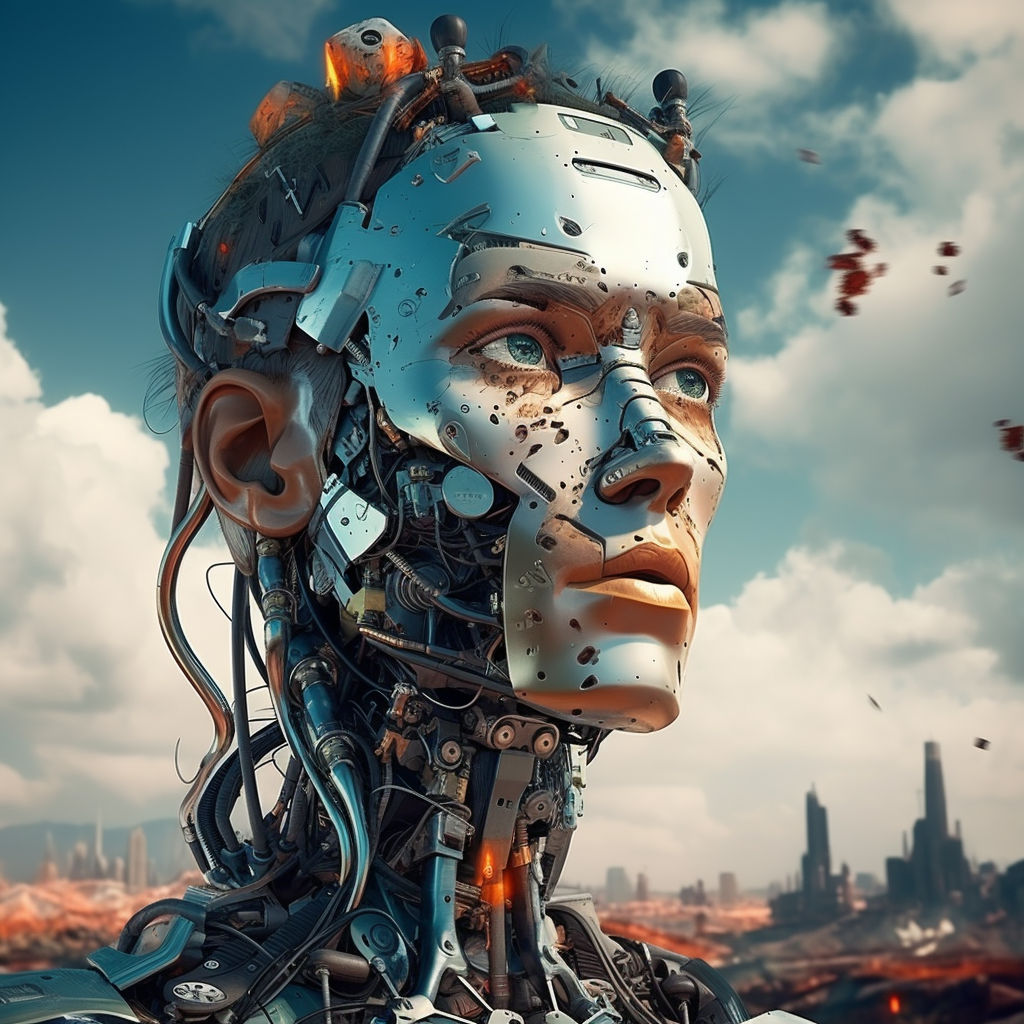
Diffuse disruption refers to the process through which multiple innovations, technologies, or changes gradually converge to disrupt an industry or market. Unlike silver bullet disruption, where a single innovation has the potential to significantly transform an industry, diffuse disruption involves several smaller disruptions that accumulate over time and eventually lead to substantial shifts in the industry landscape.
Diffuse disruptions can be caused by a combination of factors, including:
- Technological advancements: The emergence and convergence of various technologies can collectively disrupt industries. For example, in the automotive industry, a combination of electric vehicles, autonomous driving technology, and ride-sharing platforms are together redefining personal transportation.
- Changing consumer preferences: Shifts in consumer behavior and preferences can drive diffuse disruption. For instance, the increasing demand for sustainability and ethical production in the fashion industry has led to a gradual transformation in the way clothing is manufactured and sold.
- New business models: The adoption of innovative business models, such as subscription services or platform-based models, can disrupt traditional industries. For example, the rise of streaming platforms like Netflix and Spotify has disrupted the traditional media and entertainment industry by offering a new way to consume content.
- Globalization: As companies expand their operations across borders, they can introduce new products, services, and business practices to local markets, leading to diffuse disruption. For example, the entry of multinational retail giants like Walmart and Amazon into emerging markets has disrupted local retail ecosystems.
- Regulatory changes: Changes in regulations or government policies can also contribute to diffuse disruption. For example, regulations promoting renewable energy sources or penalizing carbon emissions can disrupt the traditional energy industry.
The impacts of diffuse disruption are often gradual and can take longer to manifest compared to silver bullet disruptions. However, they can be just as transformative in the long run. As multiple disruptions accumulate, industries may need to adapt and evolve, which can involve rethinking business strategies, embracing new technologies, and adjusting to changing market dynamics.
Diffuse disruption also presents opportunities for businesses to innovate and find new ways to create value. By staying ahead of emerging trends and being flexible in the face of change, companies can capitalize on the opportunities that diffuse disruption brings and maintain a competitive edge in their industries.
THE SILVER BULLET
Disruption is a concept used to describe the process through which an innovation or a new entrant in a market displaces established competitors and eventually changes the dynamics of the industry. This can occur due to various reasons, such as technological advancements, new business models, or changes in consumer preferences. Disruptive innovations often create new markets and displace older products or services by offering better value, convenience, or efficiency.
Silver bullet disruption is a term that generally refers to a single innovation or technology that has the potential to significantly disrupt an industry or market. The term “silver bullet” is derived from the idea that a single, powerful solution can effectively solve a complex problem, much like how a silver bullet was believed to be the only weapon capable of killing supernatural creatures such as werewolves. In the context of disruption, a silver bullet innovation is one that has the potential to transform an industry in a major way, often rendering older technologies or business models obsolete.
Examples of silver bullet disruptions include:
- The Internet: The advent of the internet disrupted various industries, such as retail, media, and telecommunications. It gave rise to e-commerce, online advertising, and digital communication platforms, significantly impacting traditional brick-and-mortar stores, print media, and landline telephones.
- Smartphones: The introduction of smartphones revolutionized the mobile phone industry by combining the functionalities of multiple devices into a single, compact gadget. This innovation disrupted not only the phone market but also other industries such as photography, navigation, and portable gaming.
- Electric vehicles (EVs): The rise of electric vehicles, led by companies like Tesla, has the potential to disrupt the automobile industry by offering a more sustainable, efficient, and environmentally friendly alternative to traditional internal combustion engine vehicles.
- Blockchain technology: Blockchain, the technology underlying cryptocurrencies like Bitcoin, has the potential to disrupt various sectors, including finance, supply chain management, and cybersecurity. Its decentralized nature and secure, transparent features can lead to more efficient processes and reduced reliance on intermediaries.
While silver bullet disruptions are often associated with significant advancements, they also come with challenges. As these innovations become widespread, industries need to adapt and evolve to stay relevant, often requiring significant investments in infrastructure, employee retraining, and changes to existing business models. Furthermore, regulatory frameworks and social norms may struggle to keep pace with these rapid changes, which can create friction and uncertainty in the market.
RMA
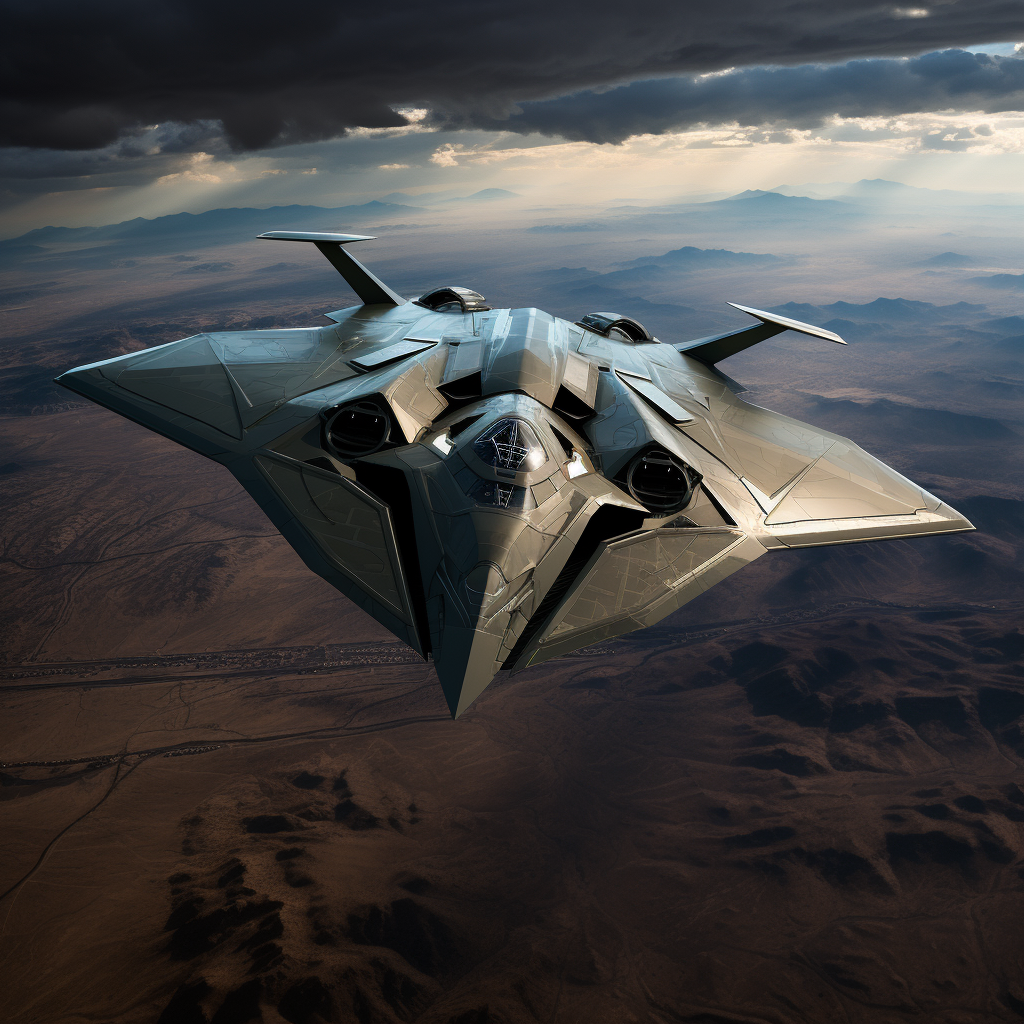
Disruption as a Revolution in Military Affairs (RMA) refers to the transformative impact of new technologies, tactics, strategies, and organizational structures on the way wars are fought and military forces are structured. RMAs are major shifts in military thinking and practice that significantly change the balance of power and the nature of warfare. They often result from the convergence of technological innovations, doctrinal changes, and organizational adaptation. These revolutions can alter the effectiveness of military forces and reshape geopolitical landscapes.
Historically, there have been several notable RMAs:
- The rise of gunpowder: The introduction of gunpowder in Europe in the 14th century revolutionized warfare by enabling the development of firearms and artillery, which greatly diminished the effectiveness of traditional fortifications and changed the dynamics of battles.
- Industrial Revolution: The industrial revolution in the 19th century enabled mass production of weapons, rapid transportation, and improved communication technologies. This RMA significantly increased the scale and speed of warfare, leading to the development of new strategies and tactics.
- Nuclear weapons: The invention of nuclear weapons during World War II marked a significant RMA as it introduced the concept of mutually assured destruction (MAD) and deterrence, fundamentally altering the nature of warfare and international relations.
- Precision-guided munitions and information technology: The development of precision-guided munitions (PGMs) and advances in information technology during the latter half of the 20th century gave rise to a new RMA. This era witnessed the emergence of network-centric warfare and increased emphasis on intelligence, surveillance, and reconnaissance (ISR) capabilities.
- Cyber and space warfare: The rise of cyber and space warfare has the potential to create another RMA, as both domains become increasingly critical in military operations. Cyber warfare can disrupt communication, compromise critical infrastructure, and manipulate information, while space-based assets play crucial roles in navigation, intelligence gathering, and missile guidance.
As RMAs unfold, militaries must adapt to these disruptive changes to maintain their effectiveness and strategic advantage. This can involve developing new tactics, investing in research and development, and reorganizing force structures to better integrate new capabilities.
However, the adoption of disruptive technologies and the pursuit of RMAs can also lead to unintended consequences and heightened risks. Arms races and the proliferation of advanced weaponry can destabilize regions and increase the likelihood of conflicts. Additionally, the rapid pace of technological advancements can outstrip the ability of policymakers and military strategists to fully understand and address the ethical, legal, and strategic implications of these new technologies.
ACCELERATION
Disruption acceleration refers to the increasing pace at which new innovations, technologies, and changes are disrupting established industries, markets, and societal norms. This acceleration is driven by several factors, including the rapid advancement of technology, globalization, increased connectivity, and changing consumer preferences. As a result, businesses, governments, and individuals are experiencing more frequent and profound transformations in their environments, requiring constant adaptation and flexibility.

There are several aspects of disruption acceleration:
- Technological advancements: The rapid development and diffusion of new technologies, such as artificial intelligence, big data, biotechnology, and renewable energy sources, are transforming industries and markets at an unprecedented pace. These advancements are not only introducing new products and services but also reshaping entire business models and industry structures.
- Globalization: The interconnectedness of global markets and economies has facilitated the spread of innovations and ideas across borders, accelerating the pace of disruption. Companies can now quickly scale their operations, allowing them to rapidly penetrate new markets and challenge established players.
- Network effects and digital platforms: The rise of digital platforms, such as social media, e-commerce, and streaming services, has enabled businesses to harness network effects and rapidly expand their user base. As a result, these platforms can disrupt traditional industries at an accelerated pace, often reaching market dominance in a relatively short period.
- Changing consumer preferences: Consumer preferences are evolving rapidly, driven by factors such as increased awareness of sustainability, demand for personalization, and the desire for convenience. Businesses must continually adapt to these changing preferences to stay competitive, and the speed at which these changes occur is accelerating.
- Regulatory and policy shifts: Changes in regulations, government policies, and international agreements can also accelerate disruption. For instance, regulations promoting renewable energy sources, data privacy, or the adoption of electric vehicles can have far-reaching effects on traditional industries.
Disruption acceleration presents both challenges and opportunities for businesses, governments, and individuals. On one hand, it creates a dynamic and competitive environment that fosters innovation and progress. Companies that can quickly adapt to changing market conditions and leverage emerging technologies have the potential to thrive and capture significant value.
On the other hand, disruption acceleration can create uncertainty and turbulence, making it difficult for businesses to plan for the future and maintain a competitive edge. To cope with this accelerated pace of change, organizations need to adopt agile and flexible strategies, invest in continuous innovation, and cultivate a culture of adaptability and resilience.
For governments, it is crucial to develop policies and regulatory frameworks that can keep up with the rapid pace of change and provide an environment that supports innovation while mitigating potential risks and negative consequences. Individuals, too, must embrace lifelong learning and continuously update their skills and knowledge to stay relevant in an ever-changing world.
THE END
Ah, the thrilling rollercoaster ride of disruptive innovation has finally reached its end. Thank you for joining us as we explored a world where the old guard is constantly dethroned, and change is the only constant. It’s been an exhilarating “trip” through a landscape filled with industries crumbling under the weight of groundbreaking technologies, and businesses desperately trying to adapt or perish. So, as we bid farewell to this chaotic realm, don’t forget to keep your eyes peeled for the next big thing that will, inevitably, disrupt our lives even further. After all, who wouldn’t want to live in a world where everything you know can be turned upside down in the blink of an eye?
 Mastermind Century Group