

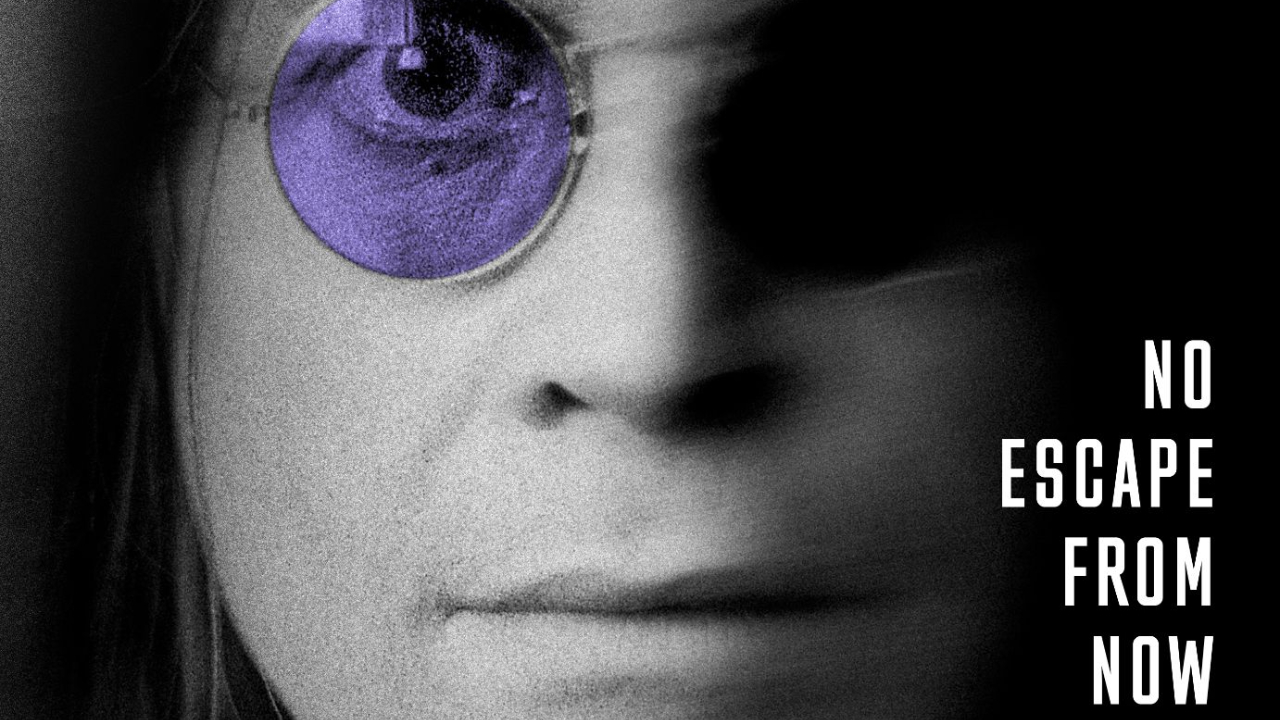
I just finished reading Dancing with Myself Billy Idol’s raw and intense autobiography. Around the same time, I watched the Ozzy Osbourne biography—No Escape From Now, an oddly moving portrait of the Prince of Darkness. Then there was A Complete Unknown, the 2024 biopic starring Timothée Chalamet as a young Bob Dylan and loosely based on Elijah Wald’s Dylan Goes Electric! Years ago—way back in college—I’d picked up a biography on David Bowie, devouring it. And although I am anything but musical—I can’t read music, and don’t play an instrument—I’ve always loved music. All kinds.
But here’s the strange part: when I sit back and trace the soundtrack of life, these four artists—Bowie, Dylan, Ozzy, Idol—have always been there. Not just in passing, not as background noise, but as waypoints. Subconscious mentors of style, rebellion, and transformation. They weren’t just musicians; they were signals, reminders that there’s always another edge to walk, another version of yourself to become, another mask to try on… or to tear off.
I remember exactly where I was when David Bowie passed away. It hit me like losing a friend. Which was strange, because I never met the man. But in a world that so often feels flat, predictable, performative, Bowie always felt realer than real, not because he gave answers, but because he offered permission. Permission to change. To be complicated. To contradict yourself and still be whole.
When Ozzy passed this summer, it stirred something different. I couldn’t help but think back to my first big concert, way back in the early ’80s—Ozzy at the Cow Palace in San Francisco. I can still feel it: Randy Rhoads on lead guitar, the thundering bass, the wall of sound, the lights, the chaos, the sheer energy of it all. That first live show leaves a mark. Ozzy was a powerhouse—unfiltered, unpolished, unapologetic. He wasn’t a “frontman.” He was a force. A tornado with black eyeliner. And yeah, it’s sad he’s gone. The world feels a little quieter without him in it.
We’re lucky Dylan and Billy Idol are still with us. I’ve seen them both live—many times—and each time is different. Like re-reading a favorite poem and catching a new line you never noticed before. I’ve read their stories, followed their arcs, tried to understand what makes them them. And here’s what’s striking: none of them are perfect. Far from it. Their flaws aren’t hidden; they’re part of the art. And maybe that’s what resonates more as I age, not just the music, but the mess. The contradictions. The regrets. The pain that bleeds through the brilliance.
They were never saints. They were always human. And maybe that’s what made them matter so much… because through their art, they gave the rest of us permission to be human, too. They sang through the static of expectation, offering not perfection, but presence. They showed us how to keep going. How to evolve. How to crash, burn, and rise again. Not always gracefully. But always honestly.
So maybe now’s the time to revisit them—not as legends, not through the lens of nostalgia—but as portraits of something deeper. Archetypes, maybe. Echoes. Not eulogies, but strategic debriefs. An analysis of impact. A map of their fingerprints on life.
David Bowie: The Permission to Transform
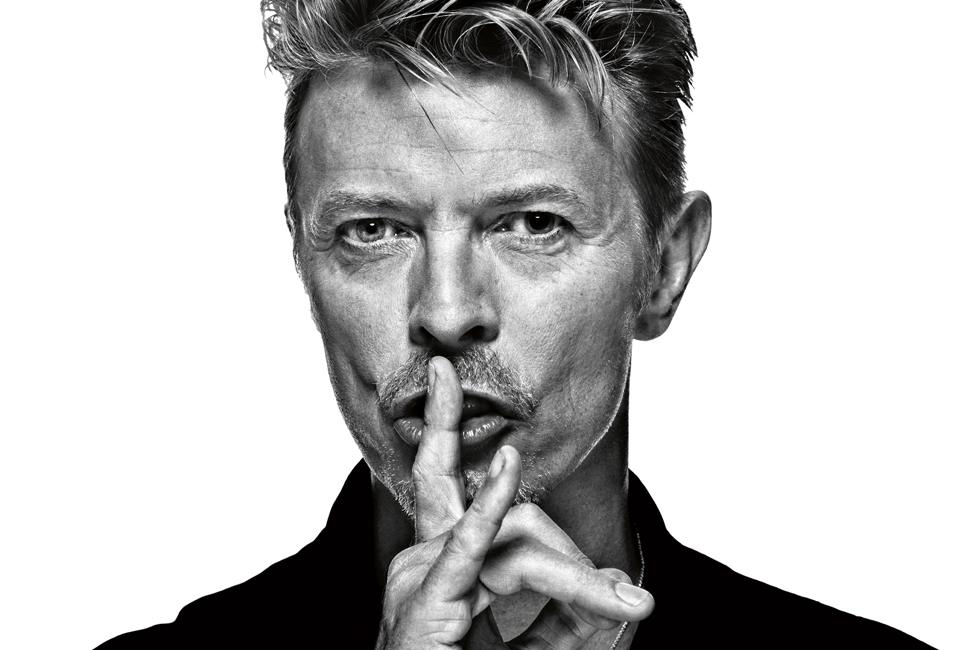
Bowie was the first artist who taught that identity or let’s call it–self authorizing behavior– is something we can design. Long before I had any language for things like archetypes or strategic reinvention, there was Ziggy Stardust, staring out from a record sleeve like a visitor from another dimension. He wasn’t just playing a part—he became the part, and then let it dissolve when it no longer served him. That kind of creative courage leaves a mark.
When I read a biography of Bowie , I wasn’t trying to study him, not really. But he sort of stayed with me. His story had an almost mythic weight to it—Halloween Jack, Berlin, the Thin White Duke, the final exit with Blackstar—and what moved me wasn’t just the music, it was the method. Bowie wasn’t afraid to kill off his old selves. In fact, he made it a habit. What a terrifying and liberating thing: to evolve in public, unapologetically. He never got stuck being one thing. And because of that, he became everything.
Years later, when he passed, it hit like a whisper of our own mortality. Not because we expect artists to live forever—but because some part of our inner world did. The part that danced in secret, that resisted definitions, that knew the masks we wear can also set us free.
Bowie gave us permission. Not to be like him, but to become more like ourselves—again and again.
Bob Dylan: The Sacred Ambiguity of Voice
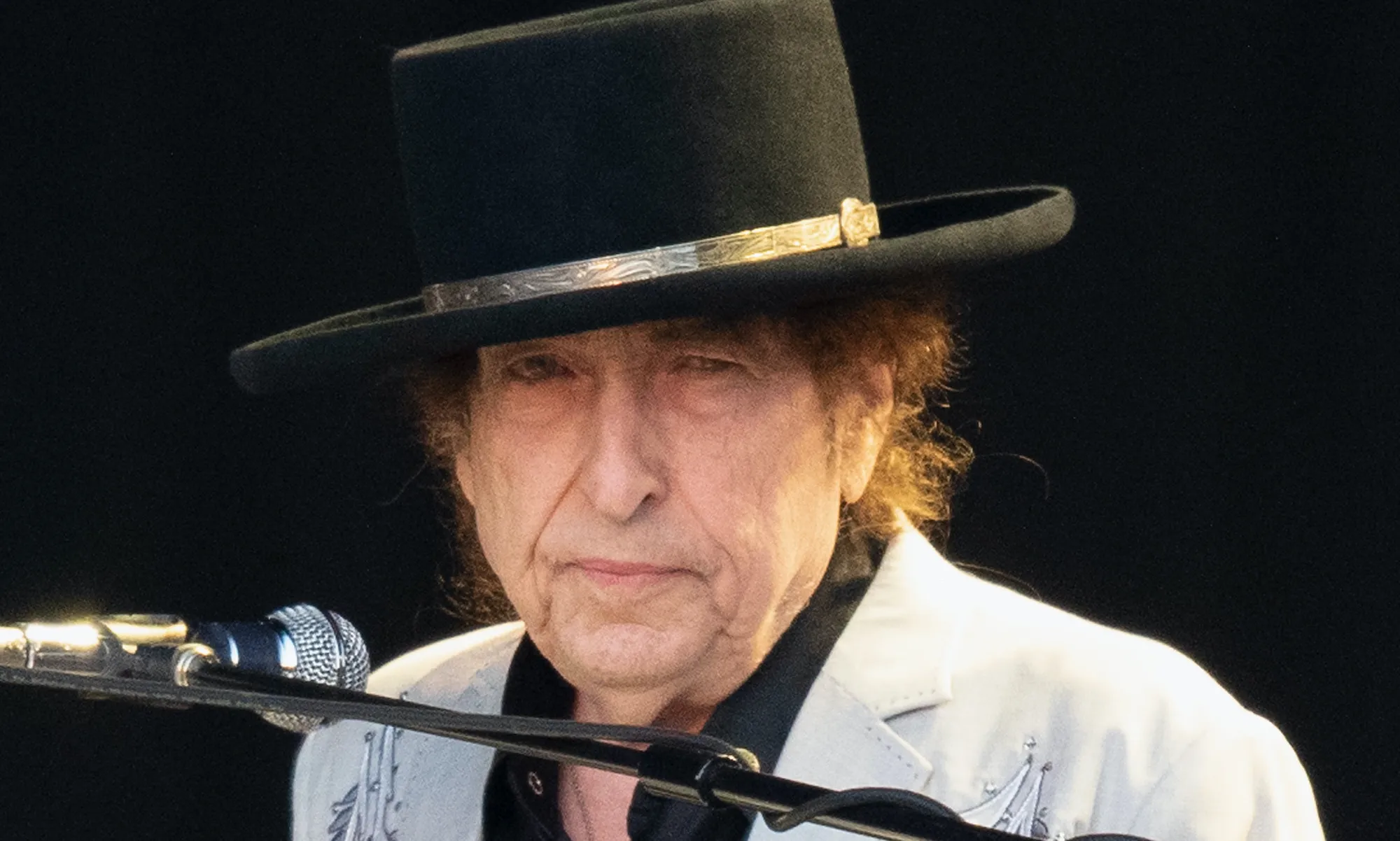
Dylan never wanted to be a leader, which may be why he became one. He didn’t chase the spotlight—it chased him. And when it got too close, he disappeared. Changed directions. Changed names. Changed styles. I didn’t understand it at first. Years ago, I wanted clarity. Dylan gave us riddles.
But with time, I started to see the genius in the ambiguity. Dylan wasn’t evasive to be clever—he was protecting something. Or maybe building something. An identity that refused to be captured, defined, or claimed. Watching Dylan over the years was like watching smoke: he was always there, just not where you expected. In a culture that demands explanation, he became a kind of sacred enigma.
What struck me most was how powerful silence can be. Dylan didn’t explain his shifts, he enacted them. He didn’t announce revolutions, he embodied them. His protest songs gave voice to movements, but his later work, cryptic, snarling, poetic, taught that not every voice has to be loud to be strategic. Sometimes, the most influential presence is the one that refuses to play by the rules of attention.
There’s a leadership lesson in that. Dylan’s career is a study in strategic ambiguity—a masterclass in resisting capture, refusing alignment, staying true to the work even when it makes people uncomfortable. His authenticity wasn’t about confession; it was about orientation. He never told us where he stood. He just keeps walking.
And in doing so, he taught us that sometimes the most powerful thing we can do is not clarify. Sometimes mystery has gravity. Sometimes distance makes the message louder.
Dylan didn’t give permission the way Bowie did. He gave us something harder: the challenge to be misunderstood—and to be okay with that.
Ozzy Osbourne: The Beautiful Madness
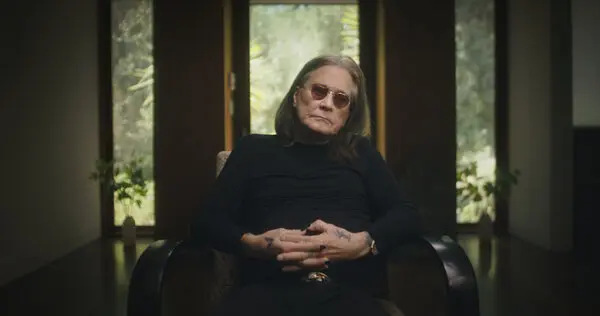
Ozzy was my first real experience with musical impact—not just sound, but force. It wasn’t just loud—it was alive. And when I walked into the Cow Palace in the early ’80s, just a kid chasing noise and spectacle, I had no idea I was about to witness something sacred.
Ozzy didn’t walk onto that stage—he emerged, like something conjured. Black eyeliner, wild eyes, a presence that felt part circus, part sermon, part exorcism. But the real surprise that night wasn’t the volume or the chaos—a large part of it was Randy Rhoads.
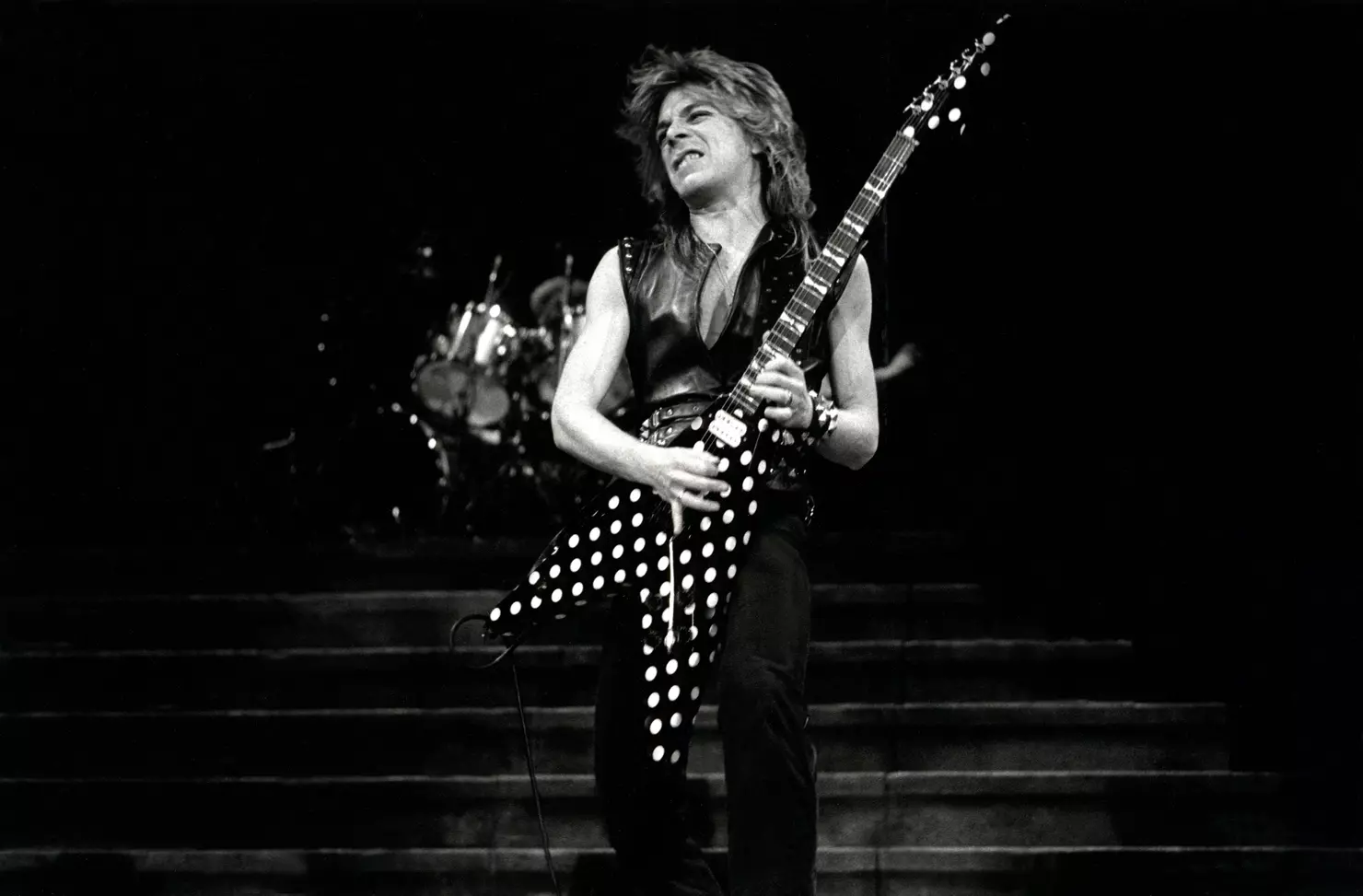
Randy wasn’t just a guitarist. He was something rarer: disciplined and wild, elegant and feral all at once. A classically trained technician who played like a prophet in flames. While Ozzy screamed at the sky, Randy shaped it. I didn’t have the vocabulary back then, but I felt it: one brought the madness, the other gave it shape. Together, they were mythic.
Randy would be gone not long after. The helicopter crash in ’82 cut his life, and that rare chemistry, short. It was the first time I understood that brilliance doesn’t guarantee longevity. It was the first whisper that art, like life, is fragile. And sometimes the brightest lights burn out mid-solo.
Ozzy, though—Ozzy kept going. That’s part of his legend. He should’ve died a dozen times over. Drugs, accidents, public meltdowns. And yet he endured. Not as a model of stability, but as a symbol of survival. His art wasn’t polished—it was torn, bloodstained, stitched together with chaos. But somehow, it worked. Maybe because it was honest. He didn’t pretend to be whole. He just was.
And that, too, is a kind of leadership—one we don’t talk about enough. The leadership of enduring. Of showing up again after everything breaks. Of being willing to wear your scars in public and say, this is still me.
Ozzy taught us that not all greatness is elegant. Some of it is brutal, unruly, incoherent—and still beautiful. And Randy… Randy taught us that brilliance isn’t about longevity. It’s about the moment. About what happens when precision and fire meet, even if only briefly.
Together, they taught us this: that chaos needs a frame, and genius needs risk. That standing on the edge isn’t just dangerous—it’s sometimes where the most honest music is made.
Billy Idol: The Style of Rebellion
Billy Idol was different. Not louder. Not deeper. Just… cooler.

There was something in the way the dude moved—snarling lips, peroxide spikes, leather and chains—that made rebellion look easy. He didn’t shout like Ozzy or vanish like Dylan. He strutted. He smirked. He made anarchy danceable. And I think that’s why he stuck with me.
Idol didn’t just channel punk—he stylized it. He pulled punk rebellion out of the grimy alleys of late-’70s London and dropped it on MTV in slow motion, set to synth beats and power chords. He wasn’t trying to be pure. He was trying to be heard. And in that way, he wasn’t just performing music—he was performing strategy.
Because style is a strategy. Presentation shapes perception. And Billy Idol understood that better than most. His rebellion was accessible—marketable even—but it wasn’t hollow. There was real tension in the image: vulnerability behind the sneer, artistry behind the attitude.
I’ve seen him live several times over the years, and he never phones it in. He’s one of those performers who seems to understand that performance itself is a gift—one that demands presence. His stagecraft is tight, theatrical, magnetic. But more than that, it’s enduring. Relevant. That’s the word I keep coming back to with Idol.
Because where Bowie evolved, Dylan retreated, and Ozzy exploded—Idol endures. He found the edge and walked it in rhythm. And there’s something to be said for that kind of longevity through adaptation. Something deeply strategic about rebellion that never grows old.
Billy Idol taught us that punk doesn’t have to be loud to be subversive. That attitude, style, and identity are tools you can wield—not to deceive, but to communicate. And sometimes, the message lands sharper when it’s wrapped in a sneer and a backbeat.
Lessons for Leadership, Strategy, and Meaning
The older I get, the more I realize this was never just about music. It was about navigation—through identity, through chaos, through change. These artists weren’t just soundtracks to life. They were case studies in how to exist in a world that keeps shifting, demanding, labeling. In hindsight, they weren’t just entertaining—they were teaching.
1. Complexity Is the Constant
All four lived—and thrived—inside complexity. Bowie embraced it, Dylan deflected it, Ozzy embodied it, Idol dresses it up and still gives it swagger. None of them were linear. None of them gave the audience what it expected forever. And they paid for it, at times. But they also endured.
That’s the first lesson: true leadership doesn’t simplify reality—it grows in complexity. We don’t have to resolve the tension. We have to live in it. We have to know when to bend, when to walk away, when to explode, and when to just stand still and let the noise swirl around us.
2. Performance Without Losing Self
We all perform. Anyone who’s led knows this. The uniform, the posture, the tone in the room—it’s a role. But the artists who shaped me taught me something deeper: performance isn’t the opposite of authenticity—it’s a form of it.
Bowie’s masks were real. Dylan’s evasions were honest. Ozzy’s spectacle was sincerity turned inside out. Idol’s image was rebellion sharpened into a blade. They didn’t lose themselves in the performance—they revealed themselves through it. The same can be true of leaders. The danger is not performance itself. The danger is forgetting why you’re doing it.
3. Make Room for Exploration
Each of these artists took risks. Real ones. They alienated fans. They changed directions. They made terrible decisions and came back from them. And most importantly—they kept exploring.
Leadership today—especially in institutions—is so often about control: message discipline, reputational safety, strategic predictability. But these icons remind us that real transformation only comes when we’re willing to look strange, sound odd, or even fail outright. True creativity demands discomfort.
We need more room in our professional lives to experiment, to pivot, to reinvent. To take off the mask not because it’s fake—but because we’ve outgrown it.
The Quiet Echo of Influence
The strangest thing about influence is that you don’t always recognize it when it’s happening. These four—Bowie, Dylan, Ozzy, Idol—they were never on the same playlist (well, unless you were to look at my phone/computer) . They never belonged to the same tribe. But somehow, they were all always there. Background at first. Then touchstones. Then mirrors.
They taught us different things at different times. Bowie gave permission. Dylan gave silence. Ozzy gave chaos. Idol gave rebellious style. And all of them—flawed, brilliant, relentless—offered something deeper than music. They offered ways of being.
And maybe that’s the most enduring lesson: that life is not a single performance, but a shifting set of stages. That who we are is not fixed, but formed. And that somewhere between the rebellion and the reflection, between the spotlight and the shadows, we learn how to live—louder, freer, more real.
They were always there, even when I didn’t know I was listening.
Maybe they still are.
Maybe they always will be.
 Mastermind Century Group