

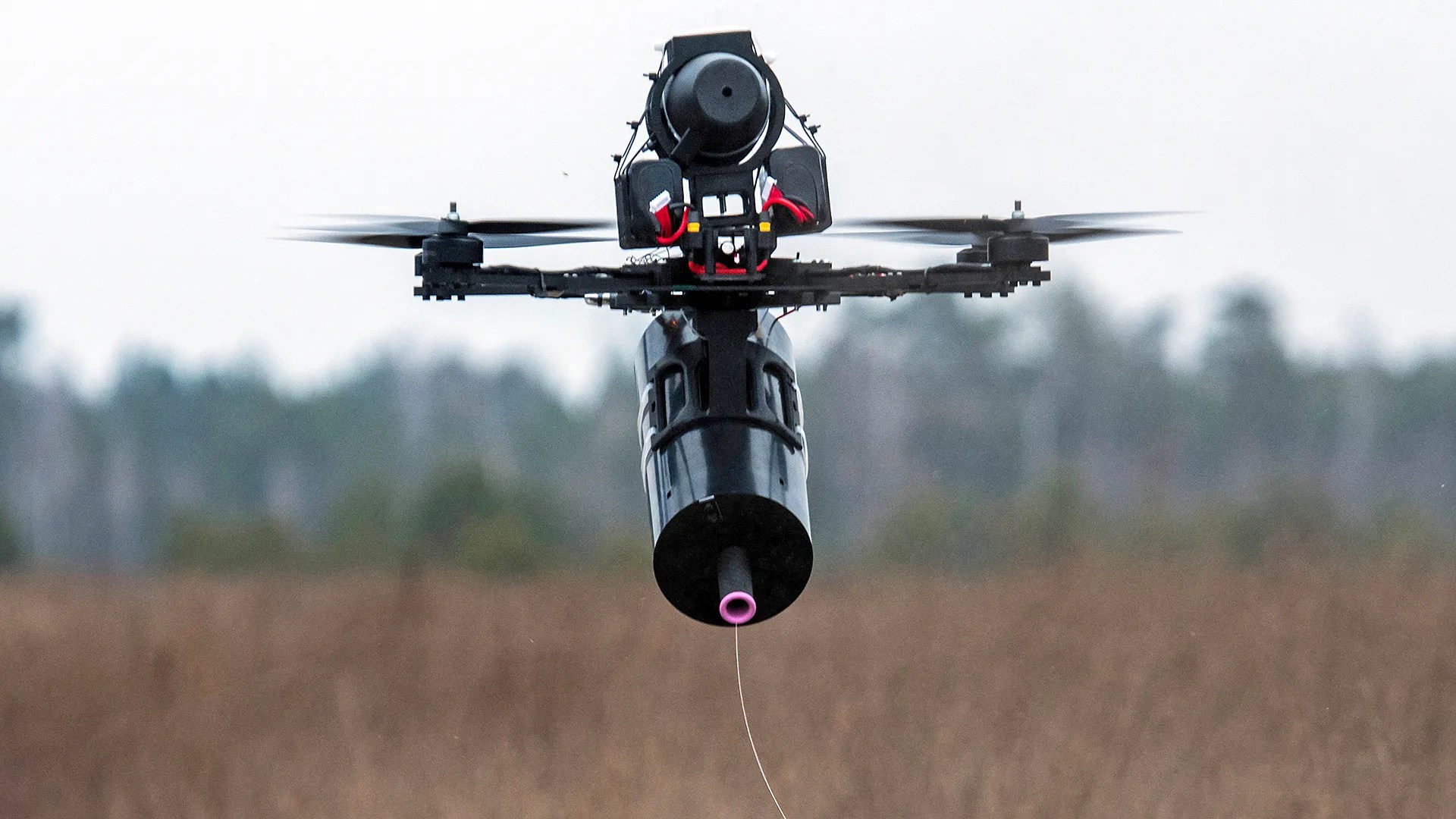
The other day, I was deep into prepping a three-block session for a course I’m helping design—focused on small unmanned aerial systems (sUAS), their tactical uses, implications for future warfare, and how we might integrate them into our PME ecosystem.
I was bouncing ideas off a friend of mine, running through all the cool technical capabilities, battlefield applications, and the latest FPV hacks from Ukraine. He chuckled and said, “Bill… you know it’s not about the drone, right?”
That one hit me.
Because I think I did know that—deep down—but I hadn’t quite said it out loud. Sometimes it takes someone else to state the obvious in a way that reorients your thinking. This wasn’t about flight characteristics or cost curves. It wasn’t about quadcopters, sensors, or autonomy protocols.
It was about mindset.
What we’re really trying to teach isn’t how to operate a drone—it’s how to see differently. The sUAS is just the vehicle. The transformation we need is cognitive. It’s not about the drone. It’s about the audacity to reimagine the character of war.
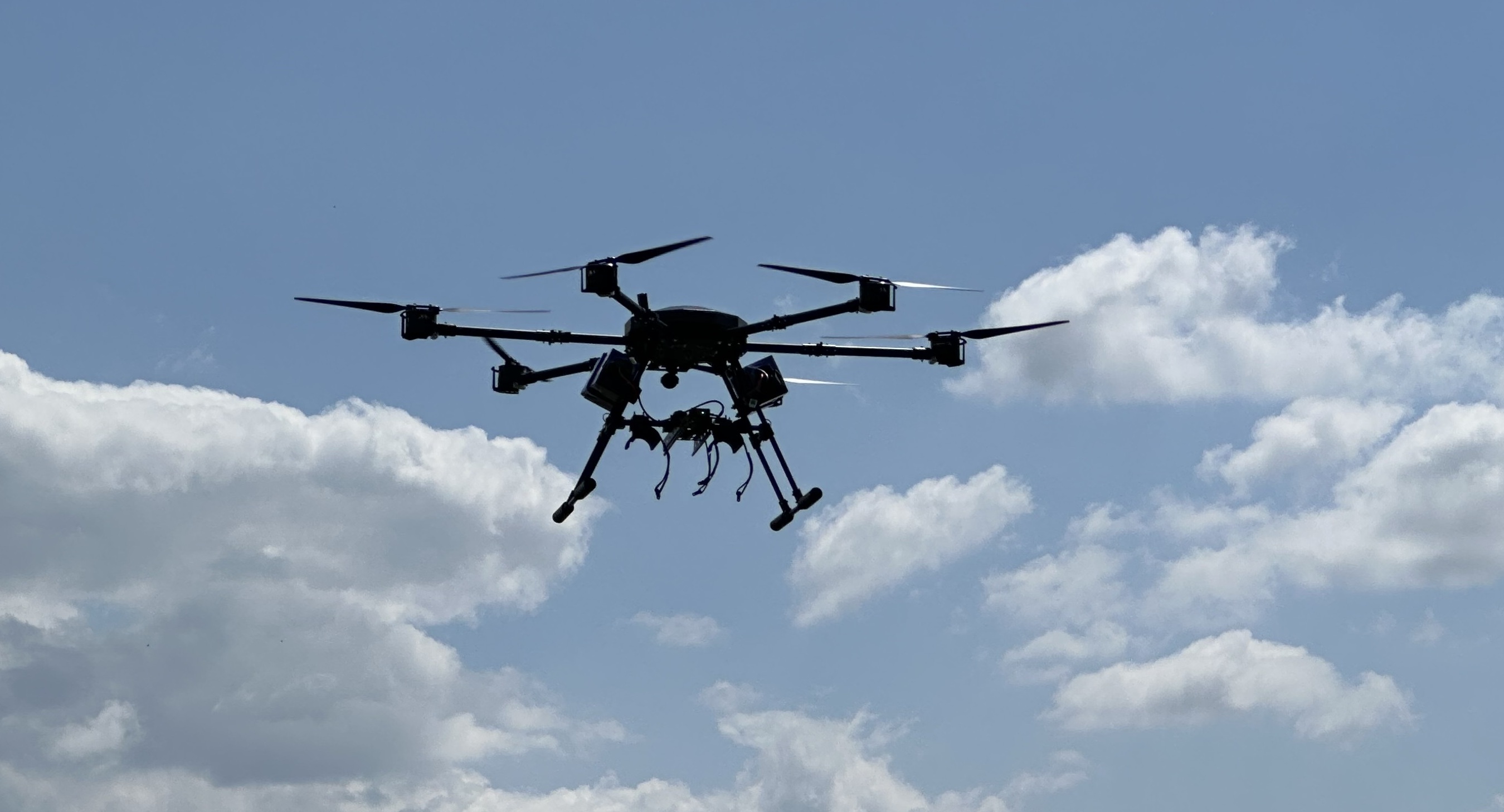
We live in an era where our eyes are drawn to the shiny objects—the whirring of quadcopters over trench lines, the explosive POV of an FPV strike, the cheap plastic shells rewriting the cost calculus of modern warfare. If you’ve been watching Ukraine (and you should be), you’ll see what looks like a drone war. But that’s not the story. That’s the symptom.
The heresy: It’s not about the drones.
It’s about the mindset behind them. It’s about a new way of seeing war, of framing possibility, of daring to think differently.
We’re witnessing what Thomas Kuhn would call a paradigm shift—not in tools, but in thought. The Ukrainians aren’t just flying drones. They’re breaking rules. They’re dismantling assumptions. They’re doing what Western militaries often talk about but rarely embody: adapting before acquiring, experimenting in real-time, and decentralizing authority not just in operations, but in imagination.
And let’s be honest—this isn’t just about Ukraine. This is about us. Because the question for us isn’t “How do we teach Airmen to fly drones?”
It’s “How do we teach Airmen to think like they thought of the drone in the first place?”
This is the heart of the “drone mindset”—not an obsession with hardware, but a culture of strategic improvisation. A kind of disciplined audacity.
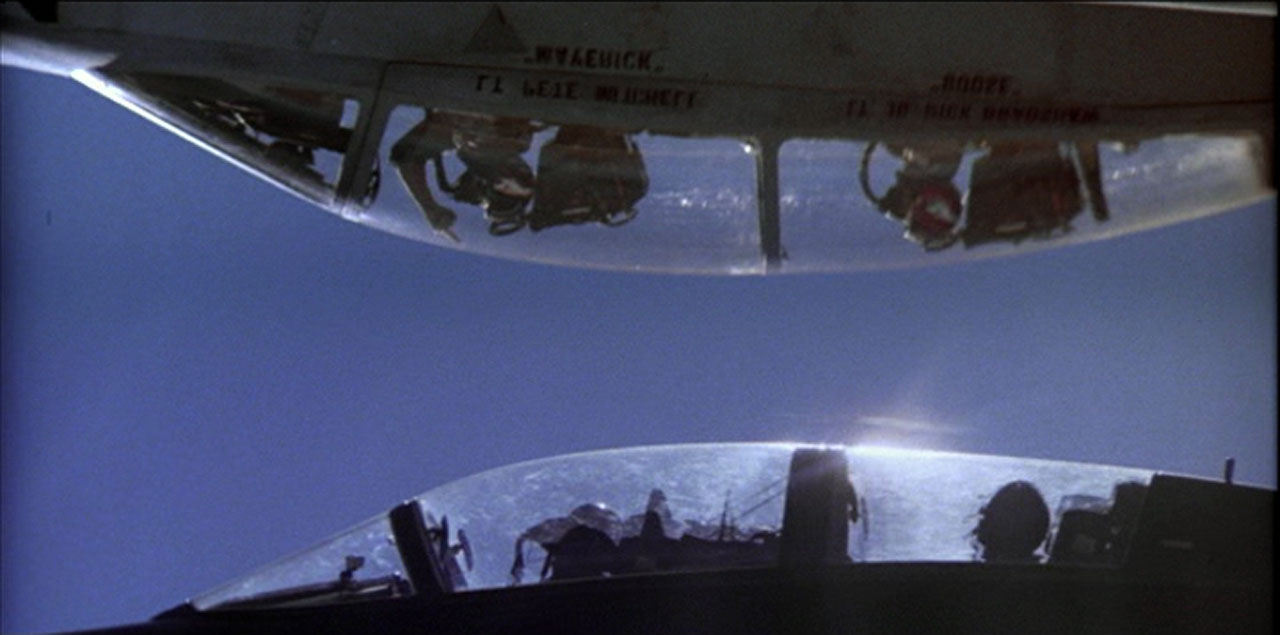
It’s jazz, not classical. It’s Maverick flipping his F-14 upside down over a MiG, not the checklist. It’s the rebel alliance with a beat-up freighter and a hope.
To develop this kind of thinking, we need to radically rethink the culture of learning itself. Not just course catalogs or lesson plans—but the fundamental posture of how we educate for war in a world increasingly shaped by autonomy, AI, and ambiguity.
Here are some imperatives that go beyond the usual playbook:
1. Design for Uncertainty: Stop solving clean problems. Give students wicked ones. Don’t ask them to fill in the blanks—ask them to find the right questions. Teach them to be comfortable being uncomfortable.
2. Prototype Strategically: Let students build ideas the way engineers build machines. Test, iterate, discard. Use wargames and simulations not as rehearsals for certainty, but as laboratories for exploration.
3. Flip the Classroom Script: Let go of the podium. Instructors (like me) should provoke, not preach. Build learning environments where authority flows from insight, not rank. Invite friction. Stir the pot.
4. Integrate Thinking and Tools: Don’t isolate tech to the basement. Bring the drones, the AI, and the code into strategic conversations. Let students fly, break, fix, and reflect. The future strategist needs to feel the interface, not just theorize about it.
5. Make Failure Sacred: In Ukraine, failure is feedback. It’s fast, it’s small, and it’s allowed. That’s why they’re winning the cognitive battle. We must create sandbox environments where failure fuels growth—not career fear.
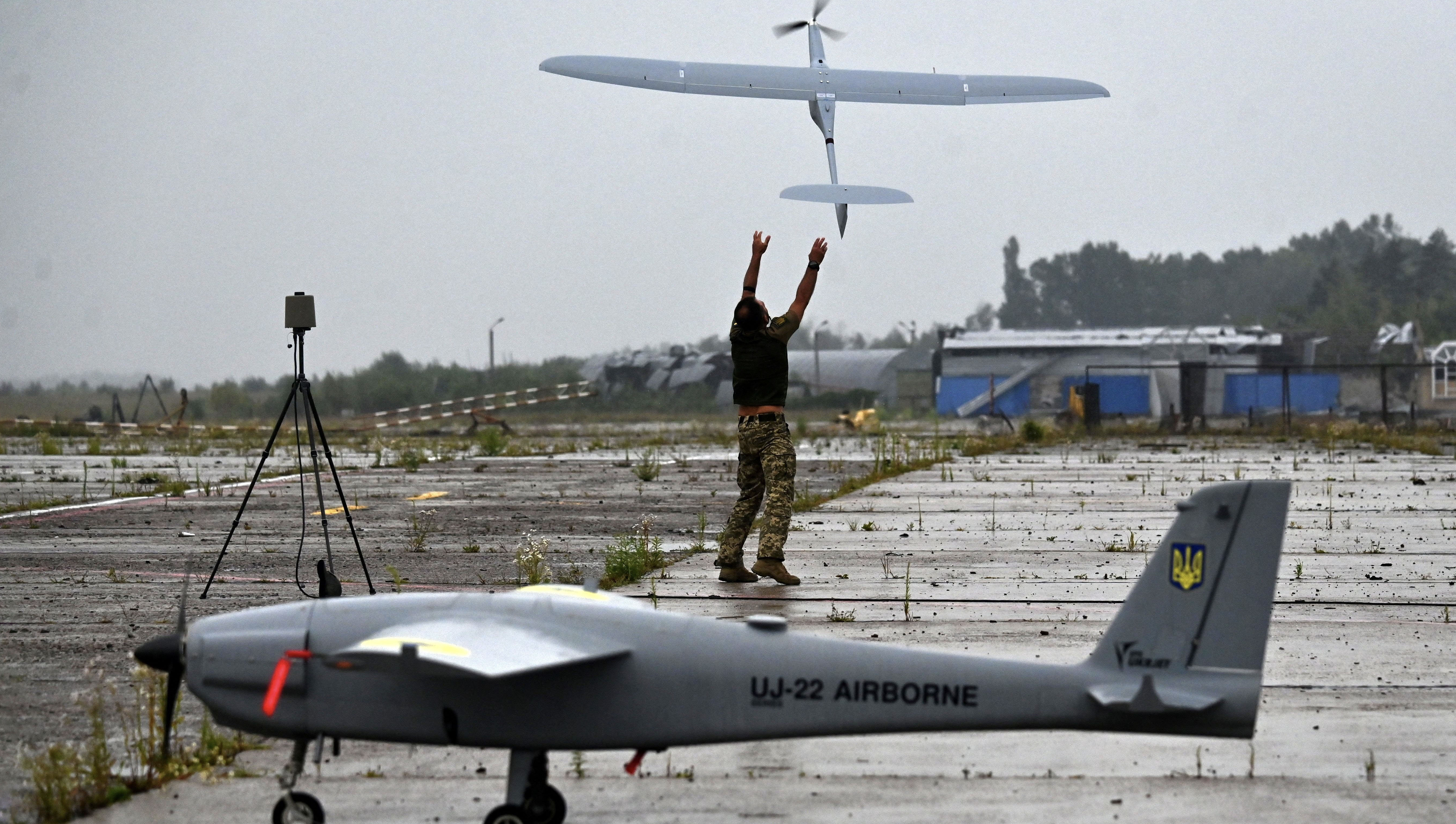
Because at the end of the day, this isn’t about learning to fly.
It’s about learning to see—to see terrain not as fixed, but as malleable; to see doctrine not as dogma, but as clay; to see war not as a sequence of steps, but a dance of decisions.
This is the “heresy of imagination” the next generation of strategists must embrace.
In an age of automation, autonomy, and accelerating change, victory won’t go to the biggest budget or the best PowerPoint. It will go to the side that learns faster, adapts quicker, and thinks more freely.
That’s the lesson the drones are whispering.
Are we ready to hear it?
Oh, and…of course… I’m still going to get some sUASs in the classroom.
That’s just cool.
 Mastermind Century Group