

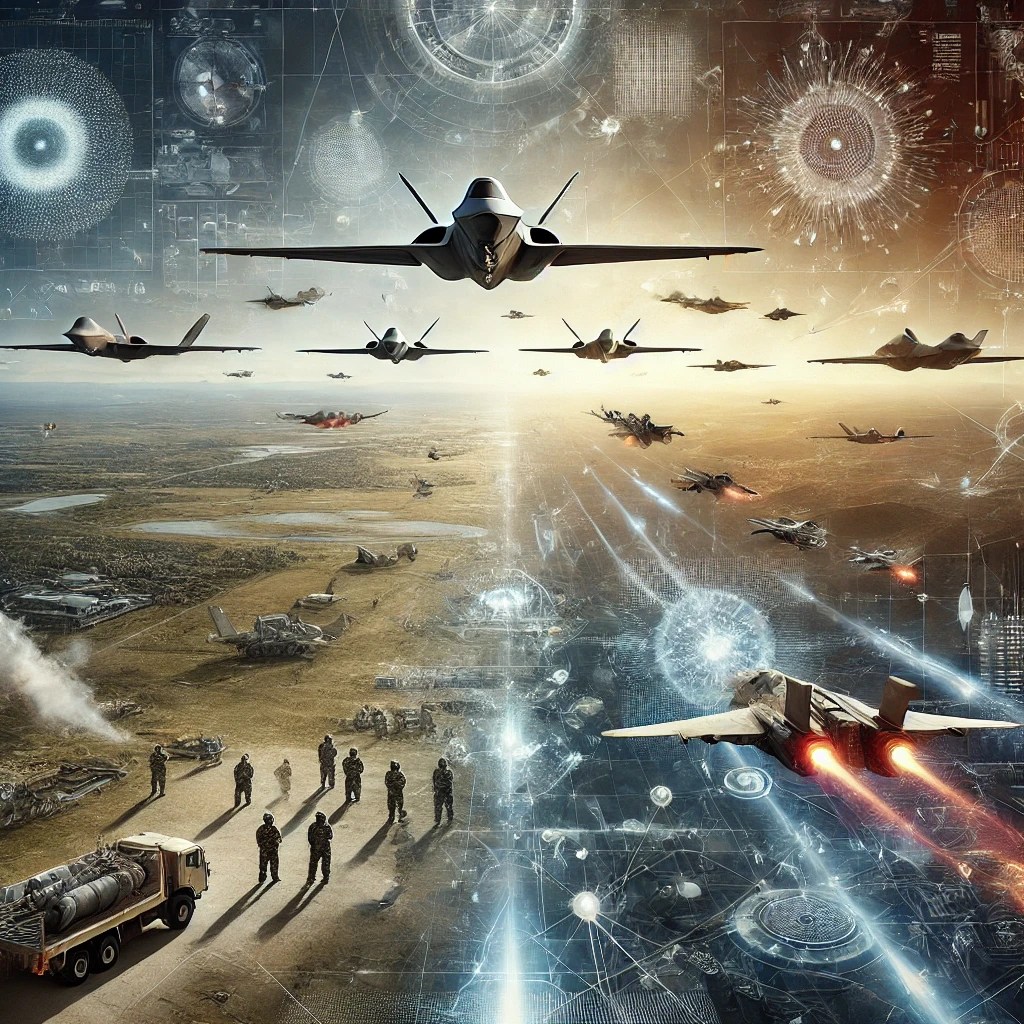
The U.S. Air Force (USAF) is undergoing a transformative journey to address the complexities of modern warfare and maintain its strategic advantage in an era of Great Power Competition (GPC). The One Force Design framework serves as the cornerstone of this effort, unifying the Air Force’s approach to modernization, capability development, and operational readiness. With a focus on agility, cohesion, and results-driven strategy, One Force Design reflects a dynamic response to evolving threats posed by adversaries such as China and Russia.
Simultaneously, the concept of Futures Literacy, as championed by UNESCO, offers a cognitive framework for navigating uncertainty, fostering creativity, and imagining alternative futures. Together, One Force Design and Futures Literacy provide complementary approaches to building a force that is not only operationally effective but intellectually prepared for an unpredictable world.
This piece explores the One Force Design framework, the role of Futures Literacy, and how these strategies may shape the Air Force’s modernization and leadership development efforts.
One Force Design: A Unified Approach to Air Force Modernization
Strategic Context
The One Force Design framework represents the Air Force’s strategic blueprint for modernizing its capabilities to address current and future challenges. Introduced by Air Force Chief of Staff General David Allvin in October 2024, the framework reflects a shift toward integrated, purpose-driven modernization.
Central to this approach is the question: “In order to do what?” By tethering modernization efforts to specific operational outcomes, the Air Force aims to create a force that is adaptable, effective, and aligned with strategic objectives.
Mission Areas Framework
One Force Design categorizes capabilities into three Mission Areas (MA) based on their ability to operate under varying threat conditions:
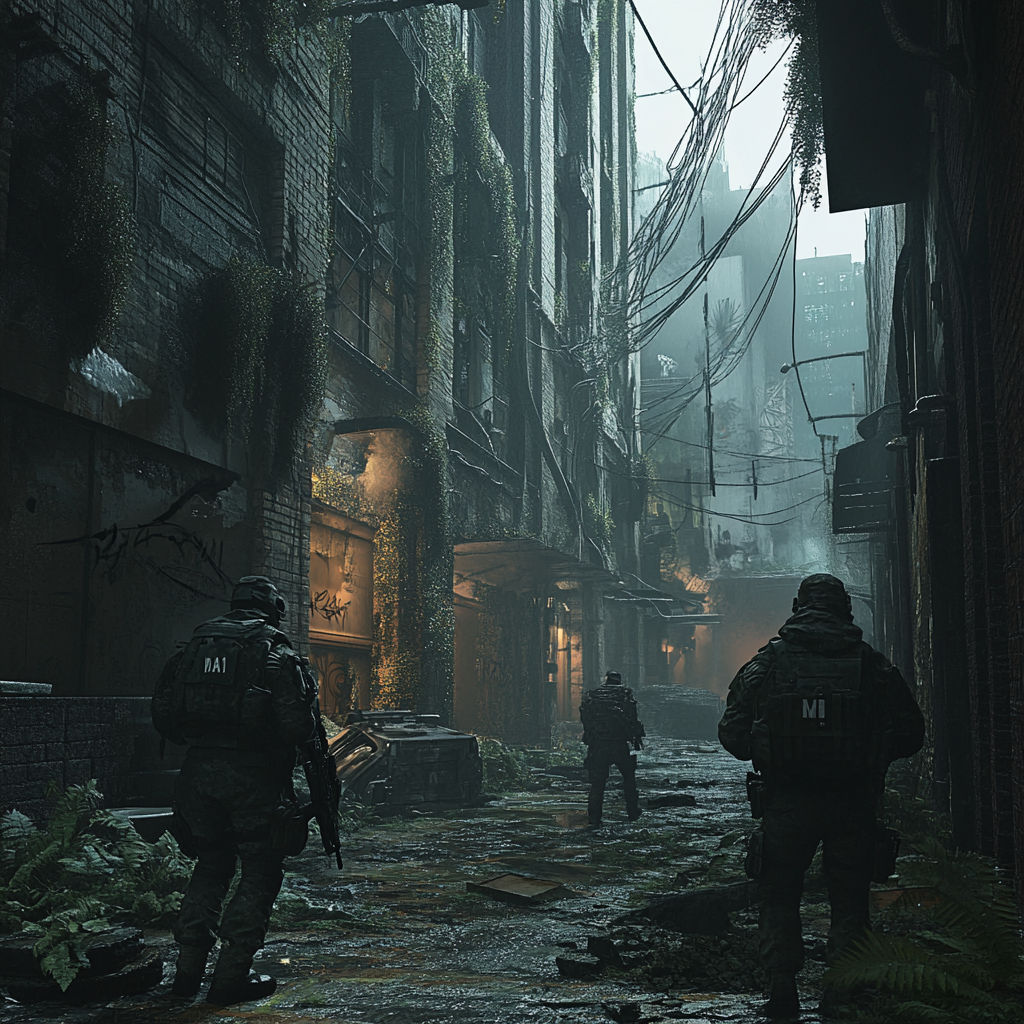
- Mission Area 1 (MA1): Dense Threat Environments
- MA1 capabilities are designed to operate in environments under constant attack from advanced systems such as missiles, drones, and electronic warfare.
- These systems prioritize survivability, resilience, and the ability to generate combat power in highly contested conditions.
- Mission Area 2 (MA2): Defendable Areas of Relative Sanctuary
- MA2 capabilities focus on projecting power into contested zones while operating from areas protected from most adversary long-range fires.
- Emphasis is placed on long-range precision strikes, robust logistical support, and integrated defensive measures.
- Mission Area 3 (MA3): Strategic Flexibility and Mass
- MA3 capabilities provide strategic depth and scalability to address global crises, enabling sustained operations from positions resilient to limited adversary attacks.
Project Franklin: Leveraging Mass to Impose Costs
A key component of One Force Design is Project Franklin, a low-cost, long-range missile system developed to saturate enemy defenses and impose strategic costs on adversaries. The project exemplifies the Air Force’s strategy of leveraging uncrewed systems and innovative technologies to enhance operational impact.
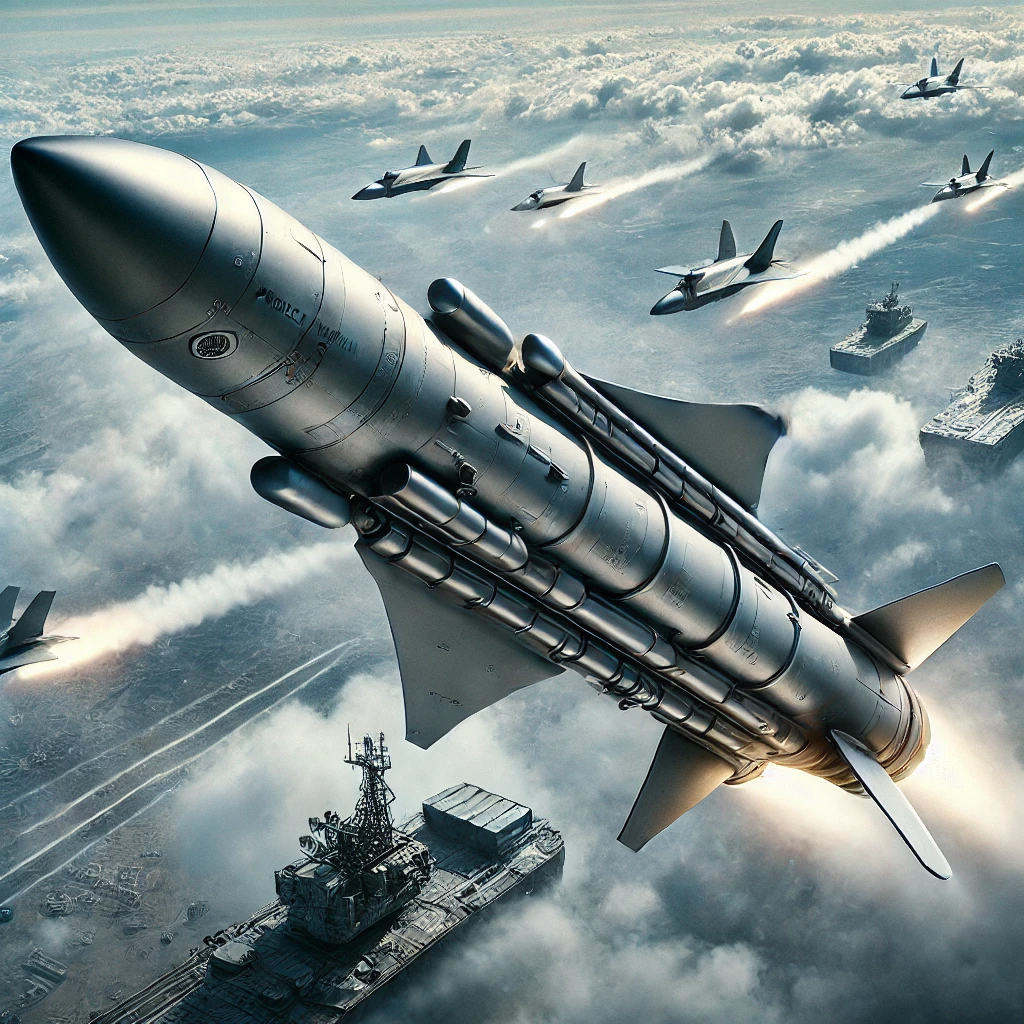
Key attributes of Franklin include:
- Creating Strategic Dilemmas: The system forces adversaries to expend significant resources countering large quantities of credible threats.
- Affordability and Scalability: Its cost-effectiveness ensures deployability at scale.
- Operational Versatility: Franklin supports diverse mission sets, such as decoy operations, distributed autonomous strikes, and direct engagements.
ReforPac: Real-World Validation of One Force Design
The Resolute Force Pacific (ReforPac) exercise, planned for mid-2025, serves as a large-scale testbed for the principles of One Force Design. Conducted in the Indo-Pacific region, a critical theater in the GPC context, ReforPac highlights:
- Deployment of over 300 aircraft for intensive training in contested and defendable environments.
- Collaboration with allies and partners to enhance interoperability and joint operational readiness.
- Testing and refining capabilities aligned with the MA1, MA2, and MA3 frameworks.
ReforPac offers a real-world opportunity to validate the concepts and capabilities underpinning One Force Design while ensuring readiness for operations in strategically vital regions.
Futures Literacy: A Cognitive Framework for Strategic Agility
Conceptual Foundations
Futures Literacy (FL), as conceptualized by UNESCO, emphasizes the ability to imagine and prepare for multiple potential futures. Unlike traditional predictive models, FL encourages anticipatory thinking, creativity, and adaptability. The three core functions of FL are:
- Preparation: Planning for expected futures.
- Adaptation: Adjusting to emerging trends and disruptions.
- Imagination: Exploring alternative futures to unlock innovative solutions.
This framework aligns with One Force Design by fostering the cognitive agility needed to navigate the uncertainties of modern conflict.
Applications of Futures Literacy in One Force Design
- Mission Area Framework
- FL enhances adaptability within MA1, MA2, and MA3 by encouraging leaders to explore diverse scenarios and test assumptions.
- Scenario-building exercises can refine decision-making processes and identify blind spots in capability development.
- Project Franklin
- Futures Literacy workshops could anticipate adversary countermeasures, ensuring Franklin remains effective and innovative.
- Creative exploration may reveal new tactical applications, such as swarming or deception operations.
- ReforPac
- FL can inform the design of ReforPac scenarios, incorporating speculative elements like AI-driven adversary tactics or contested logistics.
- This approach fosters a culture of innovation and strategic foresight within operational planning.
Potential Strategic Implications
Incorporating Futures Literacy alongside One Force Design may lead to several benefits for the Air Force:
- Enhanced Decision-Making: Leaders could leverage FL to challenge assumptions and explore non-linear strategies.
- Resilience in Uncertainty: By preparing for a range of possible futures, the Air Force can adapt more effectively to emerging threats.
- Innovation: Futures Literacy fosters a mindset of curiosity and experimentation, enabling the exploration of disruptive technologies and concepts.
By combining these frameworks, the Air Force might create a force that is both operationally and intellectually prepared to meet the demands of an uncertain and rapidly evolving global environment.
In The End
The One Force Design framework and Futures Literacy offer complementary strategies for navigating the complexities of modern and future conflict. Together, they provide a roadmap for building a U.S. Air Force that is operationally resilient, strategically agile, and equipped to address the challenges of Great Power Competition.
Through ongoing modernization efforts, collaborative exercises like ReforPac, and the integration of anticipatory thinking, the Air Force is positioning itself to maintain its global superiority in an era of rapid change. While the future remains uncertain, the combination of One Force Design and Futures Literacy offers a transformative vision for airpower—one that embraces complexity, fosters innovation, and ensures readiness for whatever lies ahead.
 Mastermind Century Group