
Introduction
I recently attended an incredible seminar with the USAF’s Pathfinder and Everest Programs at the Navy Postgraduate School in Monterey, CA, and was blown away by the talent and deep thinking within the group. One of the standout concepts discussed was Hunter’s Empathy. From what I gathered, the theory evolved from work on Strategic Empathy and has been meticulously adapted to meet the unique needs of both programs by the USAF’s Strategic Studies Group (SSG). After the conference, I found myself spending quite a bit of time reflecting on the idea, particularly how different archetypes might perform better or worse when viewed through the lens of Hunter’s Empathy. It’s a concept that could fill an entire book, but for now, let’s start by exploring the essentials.
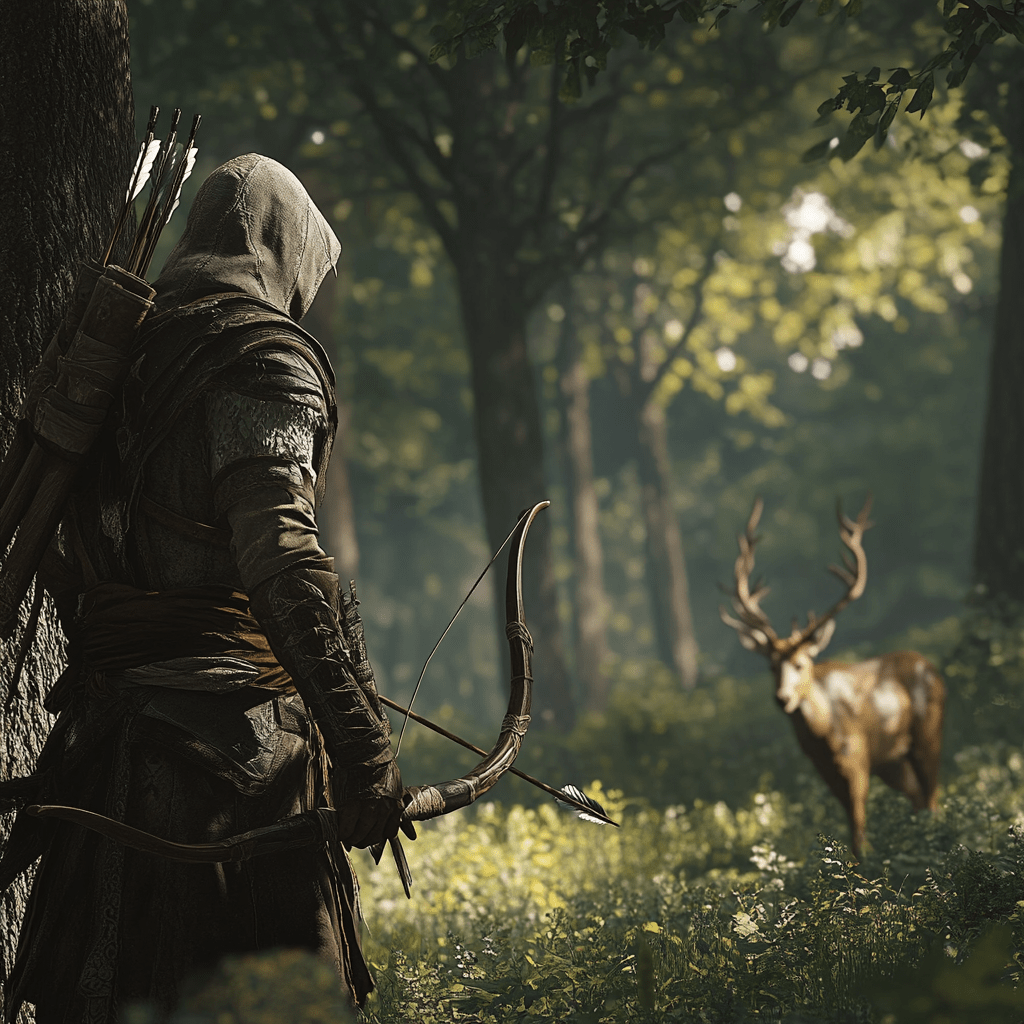
Hunter’s Empathy represents a sophisticated form of emotional intelligence that goes beyond the typical understanding of empathy. It is especially relevant in high-stakes contexts like military operations, leadership, negotiations, and survival. By combining deep observation, predictive insight, and emotional intelligence with a detached, strategic mindset, individuals with Hunter’s Empathy are adept at understanding and anticipating the motivations, behaviors, and vulnerabilities of others. This type of empathy is often found in people who operate in strategic, tactical, or high-pressure environments.
Key Aspects of Hunter’s Empathy
Hunter’s Empathy involves a blend of emotional awareness and strategic calculation. Individuals who exhibit this type of empathy possess several key traits:
- Observational Skills: They can keenly observe subtle behavioral cues, interpreting actions and emotions that reveal deeper intentions.
- Predictive Insight: With an understanding of others’ motivations and fears, these individuals can anticipate reactions and outcomes.
- Strategic Emotional Intelligence: They leverage their emotional awareness to gain advantages in complex situations, using empathy as a deliberate tool for influence.
- Controlled Detachment: Despite understanding emotions deeply, they maintain emotional distance to remain objective and avoid compromising their goals.
These aspects of Hunter’s Empathy enable individuals to operate effectively in contexts where understanding human behavior is key to achieving strategic outcomes.
Exploring Hunter’s Empathy: Niche and Applications
Hunter’s Empathy, though a niche (a better word may be bespoke) concept, finds relevance in strategic leadership, military studies, and behavioral psychology. Various resources can help deepen the understanding of this concept:
- Strategic Empathy in Literature: Classic works like The Art of War and The 48 Laws of Power explore the concept of understanding others’ motivations to achieve strategic success, a core element of Hunter’s Empathy.
- Military and Leadership Studies: Literature on special operations and leadership programs emphasizes situational awareness and decision-making, directly aligning with the principles of Hunter’s Empathy.
- Psychological and Behavioral Analysis: Insights from Jungian psychology and emotional intelligence research provide the psychological underpinnings for how Hunter’s Empathy can be used in both personal and professional contexts.
- Courses and Seminars: Military strategy and negotiation workshops, such as those at Air University or the U.S. Army War College, frequently teach elements of adversary psychology and strategic empathy.
By exploring these areas, one can gain a more profound understanding of how Hunter’s Empathy can be applied in different strategic contexts.
Integrating Jungian Typologies with Hunter’s Empathy
Hunter’s Empathy can be enhanced by overlaying it with Jungian archetypes, allowing for a deeper understanding of individuals’ motivations and behaviors in strategic settings. The integration of these psychological frameworks provides valuable insight into how different archetypes manifest in high-stakes situations.
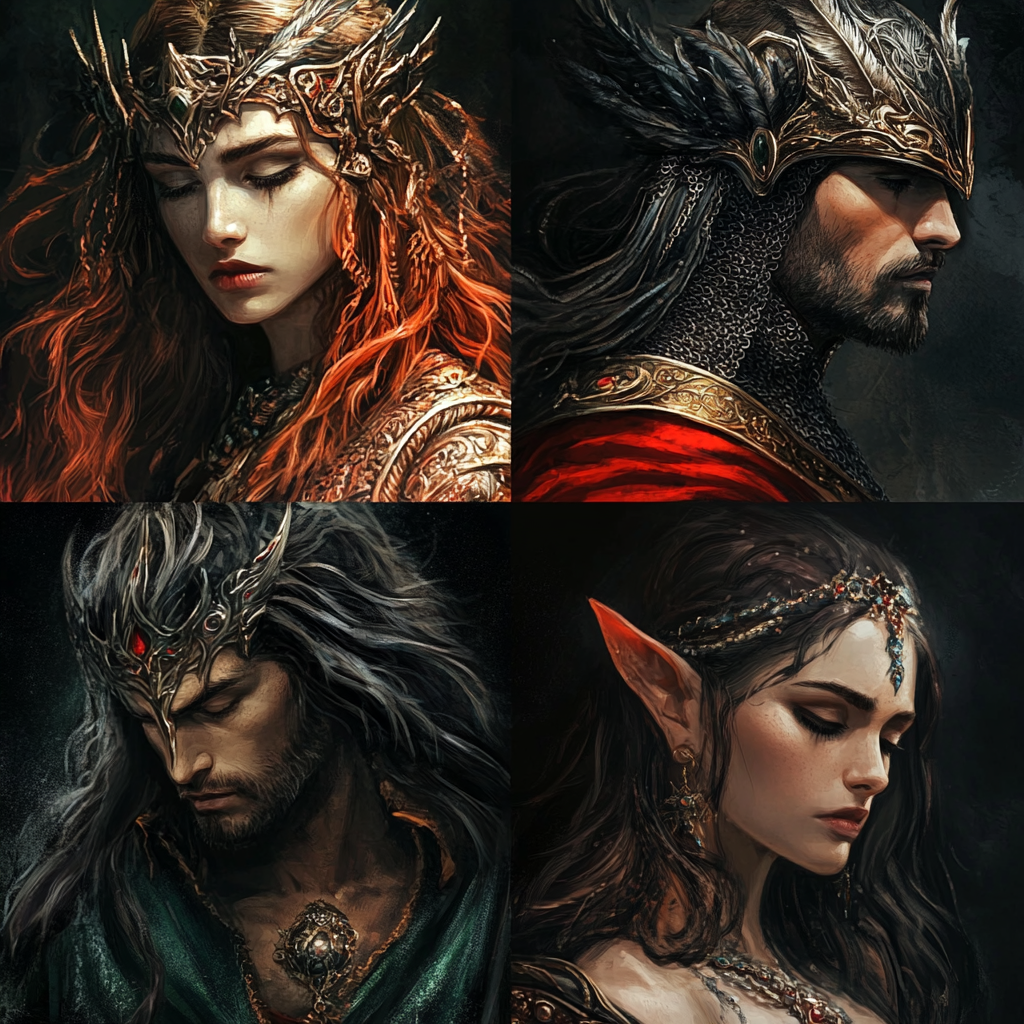
- Archetypal Patterns: Recognizing Jungian archetypes like the Warrior, Magician, King/Queen, and Lover (granted more modern interpretations of Jungian theory, see Moore and Gillette) can reveal patterns in behavior. For example, understanding that a person embodies the Warrior archetype helps anticipate action-oriented behavior in conflict situations.
- Exploiting Strengths and Weaknesses: By recognizing dominant archetypes, Hunter’s Empathy allows one to engage strategically by leveraging these traits. For example, appealing to a Magician’s desire for knowledge can enhance cooperation.
- Anticipating Reactions: Different archetypes react differently to stress and conflict. Hunter’s Empathy combined with Jungian insights enables one to foresee these responses, facilitating better strategic planning.
- Addressing the Shadow: The Shadow represents the repressed, darker aspects of the self. Recognizing these aspects within oneself or others allows for deeper strategic insight and more effective communication.
- Dynamic Archetypal Shifts: People rarely exhibit one archetype consistently. Hunter’s Empathy helps adapt strategies as individuals shift between archetypal roles, such as from Hero to Warrior.
- Group Dynamics: Hunter’s Empathy is not limited to individuals; it can be applied to teams or organizations, where recognizing collective archetypes informs leadership and conflict resolution strategies.
This combination of archetypal analysis and empathy provides a robust framework for understanding and influencing behavior in complex situations.
Mapping Archetypes to the Myers-Briggs Type Indicator (MBTI)
Mapping Jungian archetypes to the MBTI offers another dimension of understanding how personality types might resonate with specific archetypal roles. Though not a perfect alignment, this mapping provides valuable insights:
- Warrior (Action-driven): Correlates with ESTJ and ENTJ, who are focused on goals, structure, and overcoming challenges.
- Magician (Visionary and transformative): Aligns with INTJ and INFJ, who seek knowledge and mastery of complex systems.
- King/Queen (Authority and stability): Resonates with ESTJ and ENTJ, who are natural leaders and upholders of tradition.
- Lover (Connection and meaning): Correlates with ENFP and ESFP, who prioritize relationships and emotional experiences.
- Hero (Bravery and goal orientation): Aligns with ENFJ and ESFJ, who inspire and lead others toward achieving shared goals.
- Shadow (Repressed, dark traits): Represents the negative aspects of any MBTI type, showing how unaddressed tendencies manifest.
- Trickster (Boundary-challenging): Corresponds with ENTP and ISFP, who challenge norms and value independence and creativity.

This mapping allows for deeper insights into individual and group behaviors, further enhancing strategic decision-making.
Conclusion
Hunter’s Empathy offers a unique strategic tool for understanding and anticipating human behavior in complex, high-stakes contexts. By integrating Jungian typologies and mapping archetypes to MBTI, individuals and organizations can enhance their ability to navigate personal and professional dynamics. Whether in leadership, military strategy, or negotiation, Hunter’s Empathy enriches the ability to influence, predict, and engage effectively with others, making it a critical asset for those who operate in strategic or competitive environments.
 Mastermind Century Group