

General George C. Kenney had a distinguished military career marked by significant contributions during World War II and beyond. Born on August 6, 1889, in Yarmouth, Nova Scotia, Kenney grew up in Brookline, Massachusetts, and showed an early interest in engineering, which led him to the Massachusetts Institute of Technology (MIT). His career took a pivotal turn when he enlisted as a flying cadet in the Aviation Section, U.S. Signal Corps, during World War I, where he earned accolades for his aerial victories and was recognized for his extraordinary heroism.
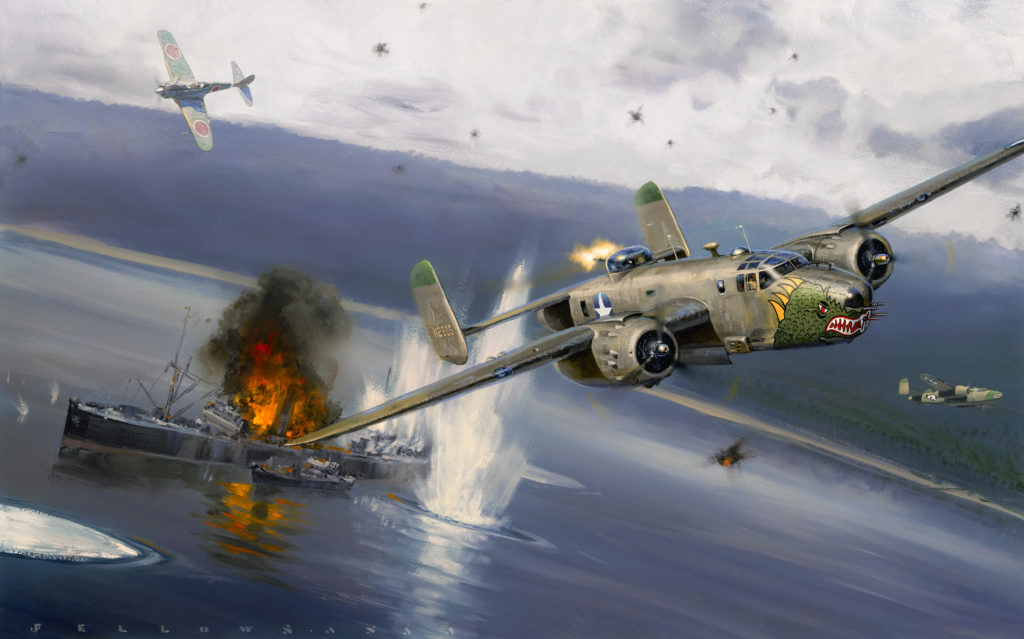
Kenney’s innovative military tactics were most notable during World War II, where he served as the commander of the Allied Air Forces in the Southwest Pacific Area. He was instrumental in developing and implementing advanced bombing strategies, such as skip bombing, which significantly impacted the Allied forces’ success against enemy naval forces. His leadership was crucial in the Battle of the Bismarck Sea, where his strategies led to the sinking of 16 Japanese vessels, showcasing his tactical genius and contributing to the Allied victory in the Pacific.
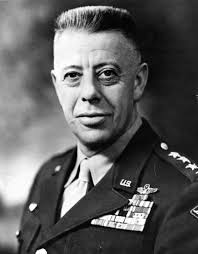
After the war, Kenney continued to play a significant role in the development of the U.S. Air Force. In April 1946, he became the first commander of the Strategic Air Command but was later transferred to become the commander of the Air University, where he served from October 1948 until his retirement in 1951. His tenure at Air University was significant for his contributions to military education, though it was also marked by controversies that eventually led to his reassignment.
Kenney’s legacy extends beyond his military service; he was actively involved in military affairs and national charities post-retirement and authored several books, sharing his extensive knowledge and experiences. His innovative tactics, leadership, and dedication to military education have left a lasting impact on the U.S. Air Force and military strategy.
THE INNOVATOR
General Kenney was a significant figure in World War II, particularly in the Pacific Theater as the commander of Allied air forces. His innovative approaches to aerial warfare contributed significantly to the Allied victory. Below are just some of the key innovations and strategies he implemented:
- Modification of Bombs and Bombing Techniques: Kenney was instrumental in adapting bombs and bombing tactics to the specific needs of the Pacific Theater. He introduced the use of skip bombing and parafrag bombs against Japanese ships. Skip bombing involved flying at low altitude and skipping bombs across the water into the sides of enemy ships, while parafrag bombs were parachute-retarded bombs dropped from low altitude, ideal for attacking troops and equipment in the open.
- Development of the B-17 “Strato Fortress” as a Maritime Patrol Bomber: Recognizing the vastness of the Pacific and the need for long-range reconnaissance, Kenney adapted B-17 bombers for maritime patrol. These aircraft were used effectively to scout vast ocean areas for enemy ships and submarines, extending the reach of Allied intelligence.
- Innovative Use of Aircraft: Kenney was known for his creative use of available aircraft. For instance, he converted transport planes into makeshift bombers when there was a shortage of combat aircraft. He also championed the use of P-38 Lightning fighters in the Pacific due to their long range and versatility.
- “Kenney’s Commandos”: He formed specialized units, often referred to as “Kenney’s Commandos,” which were tasked with developing and implementing unconventional warfare tactics. These included air commando units that conducted operations behind enemy lines, such as air-dropping supplies to guerrilla fighters, evacuating wounded, and providing close air support.
- Improving Air-Ground Coordination: Kenney emphasized the importance of close cooperation between air and ground forces. He worked on improving tactics for air support of ground operations, including direct communication between aircraft and ground troops. This approach increased the effectiveness of air strikes in support of infantry and armored units.
- Use of Radar and Electronic Warfare: Under Kenney’s leadership, there was increased use of radar for navigation and bombing, especially in adverse weather conditions. He also pushed for the development and deployment of electronic countermeasures to disrupt Japanese communications and radar.
- Logistics and Maintenance Innovations: Given the logistical challenges in the Pacific, Kenney focused on improving air logistics, maintenance, and repair operations to ensure maximum aircraft availability. He established advanced maintenance facilities and implemented efficient supply chain tactics to keep planes flying in remote and harsh environments.
Kenney’s leadership and innovative strategies were crucial in maximizing the effectiveness of Allied air power in the Pacific. His ability to adapt to the unique challenges of the theater and to think creatively about the use of available resources played a significant role in the success of air operations in the region.
JUST A BIT DEEPER
Bombs and Bombing
Kenney’s innovations in bomb modification and bombing techniques during WWII, particularly skip bombing, significantly impacted the effectiveness of Allied air operations in the Pacific. Skip bombing involved releasing bombs at low altitude in a manner that caused them to skip across the water’s surface before impacting enemy ships, akin to skipping a stone across a pond. This technique allowed for greater precision and effectiveness against Japanese naval and merchant vessels.
Kenney, along with his aide Major Bill Benn, experimented with this technique using a B-26 during a stop at Nandi, successfully skipping practice bombs against coral reefs. Upon arriving in Australia, Kenney instructed Benn to teach the 63rd Bomb Squadron, a B-17 unit, the skip-bombing technique for practical use against the Japanese Navy and merchant fleet. The technique initially required bombers to approach their targets at wave-top height and release bombs with delayed-action fuses from a distance, ensuring the bombs would skip across the water and explode at the ship’s side below the waterline, where the damage would be maximized due to the water’s compressibility.
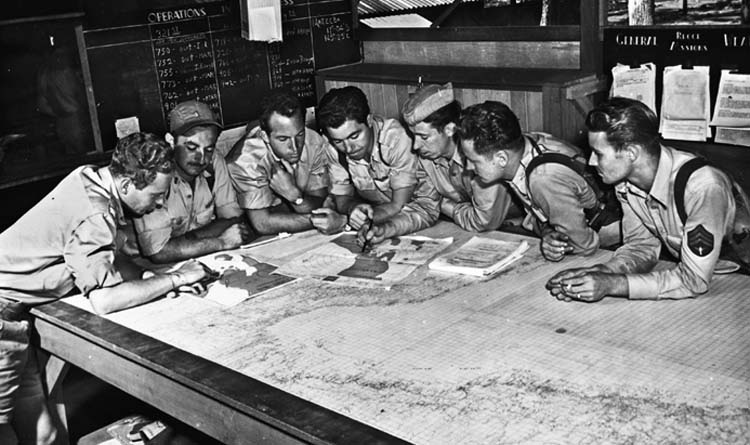
One of the key adaptations for skip bombing was the modification of fuses. Initially, American aircrews modified Australian 10- to 12-second fuses to 5-second fuses to ensure timely detonation upon impact with the target. Although these modified fuses were not perfectly reliable, showing variability in their timing, they were deemed sufficient for the task until American-made 5-second fuses became available.
The technique was first put into significant combat use during a raid on Japanese shipping at Rabaul by the 63rd Bomb Squadron of the 43rd Bomb Group, marking the first skip bombing raid in American history. The operation saw substantial success, with multiple Japanese ships sunk or damaged. This success led to the widespread adoption of skip bombing by Allied forces in the Pacific, utilizing not just B-17s but also other aircraft like the modified B-25s and A-20s, which were equipped with forward-firing guns to enhance their effectiveness in these attacks.
Kenney’s pursuit of skip bombing and other innovative air tactics exemplified his willingness to adapt and experiment with new methods to meet the unique challenges of the Pacific Theater. These innovations not only demonstrated the versatility and ingenuity of Allied air strategies but also contributed significantly to the disruption of Japanese supply lines and naval capabilities in the region
Aircraft Modifications
General Kenney’s innovative use of aircraft during WWII, particularly in the Pacific Theater, was a hallmark of his command and contributed significantly to the Allied victory. Kenney was known for his ability to think outside the box and adapt his air strategies to the unique challenges faced in the Pacific. Here are several key innovations and strategic uses of aircraft under Kenney’s command:
- Modification and Multipurpose Use of Aircraft: Kenney was adept at modifying existing aircraft to serve new roles or enhance their current capabilities. For example, he was instrumental in adapting B-17 bombers for maritime patrol roles, turning them into effective platforms for anti-submarine warfare and long-range reconnaissance. This adaptation extended the utility of the B-17 beyond its traditional bombing role.
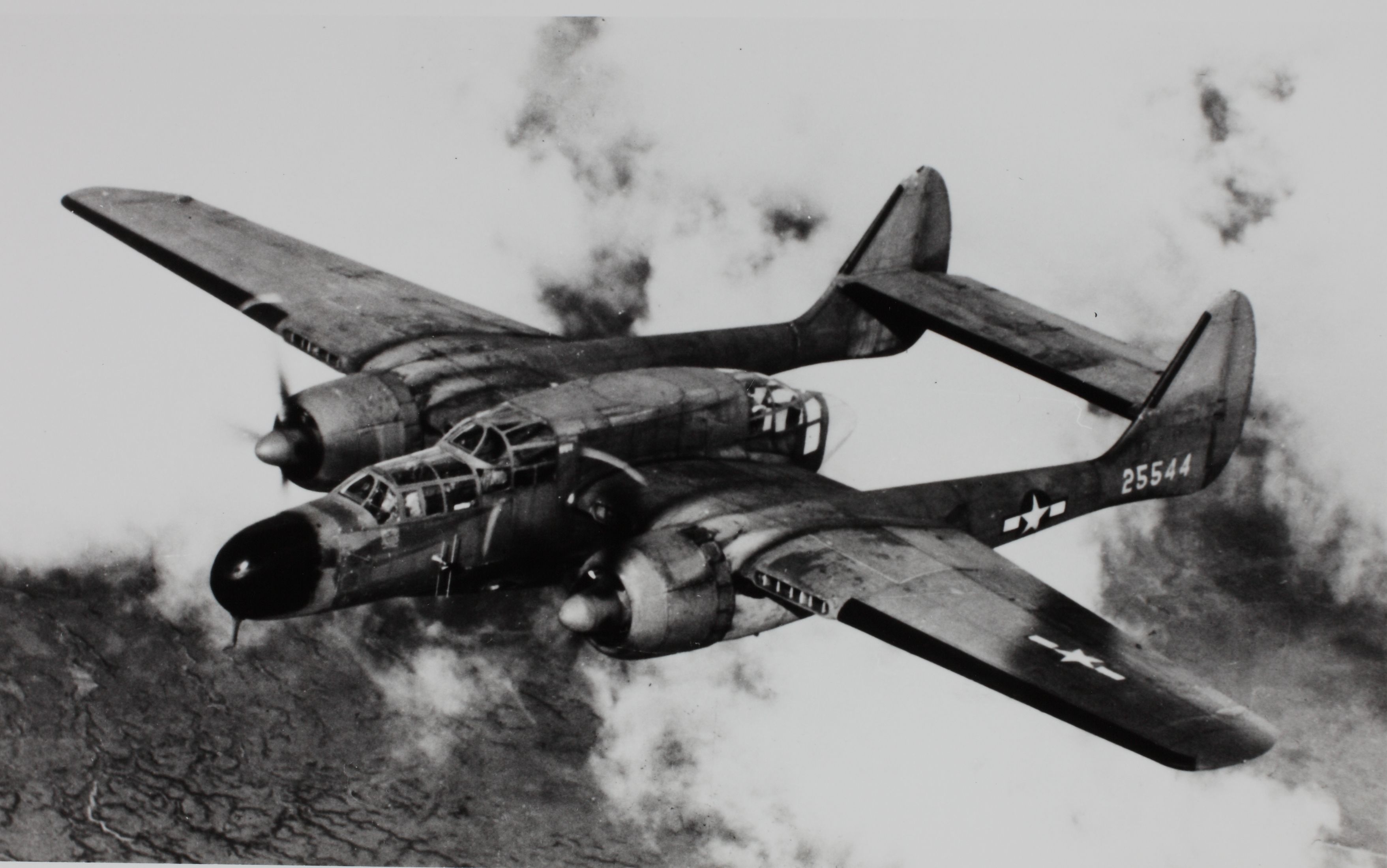
- Creation of Specialized Combat Units: Kenney formed specialized units, such as the 418th Night Fighter Squadron, to carry out unconventional missions. These units employed innovative tactics and modified aircraft to achieve objectives that conventional units could not, such as nighttime bombings and long-range reconnaissance missions.
- Training and Tactics: Kenney emphasized the importance of training and innovative tactics, such as the “combat box” formation that maximized the defensive firepower of bomber formations. He also encouraged the development of new bombing techniques and the use of fighter aircraft for long-range escort missions, which were crucial for the protection of bombers during daylight raids over heavily defended targets.
Kenney’s innovative use of aircraft and his willingness to experiment with new tactics and technologies were key factors in the success of Allied air operations in the Pacific. His leadership and strategic vision helped to maximize the potential of air power in a theater that presented unique challenges not encountered in Europe.
Innovative Logistics
Kenney’s approach to logistics and maintenance during WWII in the Pacific was innovative and crucial to the success of Allied air operations. Upon his arrival in the theater, Kenney encountered significant logistical challenges, with combat aircraft grounded due to a lack of spare parts and inefficiencies in the supply system. He quickly set about rectifying these issues, emphasizing the importance of effective logistics over bureaucratic procedures and insisting that “You don’t win wars with file cabinets”.
Kenney’s focus was not just on solving immediate logistical problems but also on fundamentally transforming the way air operations were supported in the Pacific. He prioritized the efficient delivery of critical equipment from Australia to New Guinea, ensuring that aircraft were kept operational and ready for combat. His efforts to streamline the maintenance and supply systems were instrumental in maintaining air superiority over Japanese forces.
Kenney’s ability to think creatively and leverage the full potential of available resources was a key factor in the Allied forces’ ability to advance in the Pacific despite operating on a shoestring budget. His leadership and tactical innovations, particularly in the realms of logistics and maintenance, were vital components of the Allied strategy that ultimately led to victory in the Pacific.
Air University’s First Commander
General Kenney was the third commander of the Air University, obviously, a key institution in the United States Air Force for professional military education. After his significant contributions during World War II in the Pacific Theater, he was appointed as the inaugural commander of Air University when it was established in 1946 at Maxwell Field (now Maxwell Air Force Base) in Alabama. Air University was created to be a center for the professional military education of officers and enlisted personnel, focusing on airpower and its strategic implications.
However, Kenney’s tenure at Air University was not without controversy. He had a reputation for being outspoken and sometimes clashed with other military leaders and policies. These factors, along with disagreements over educational philosophy and the direction of the Air Force, led to tensions between Kenney and higher-ranking officials in the Pentagon.
Kenney was relieved of his command at Air University in 1948. The circumstances of his removal were complex, involving both personal and professional disagreements with key figures in the Air Force and the Department of Defense. His departure from Air University marked the end of his active military career, but he continued to be influential in military and aviation circles, often through writing and public speaking.
Despite the manner in which his military career concluded, General Kenney’s legacy in terms of his innovative tactics during World War II and his early leadership role in the development of professional military education in the Air Force remains significant.
Kenney Today in an ACE Environment
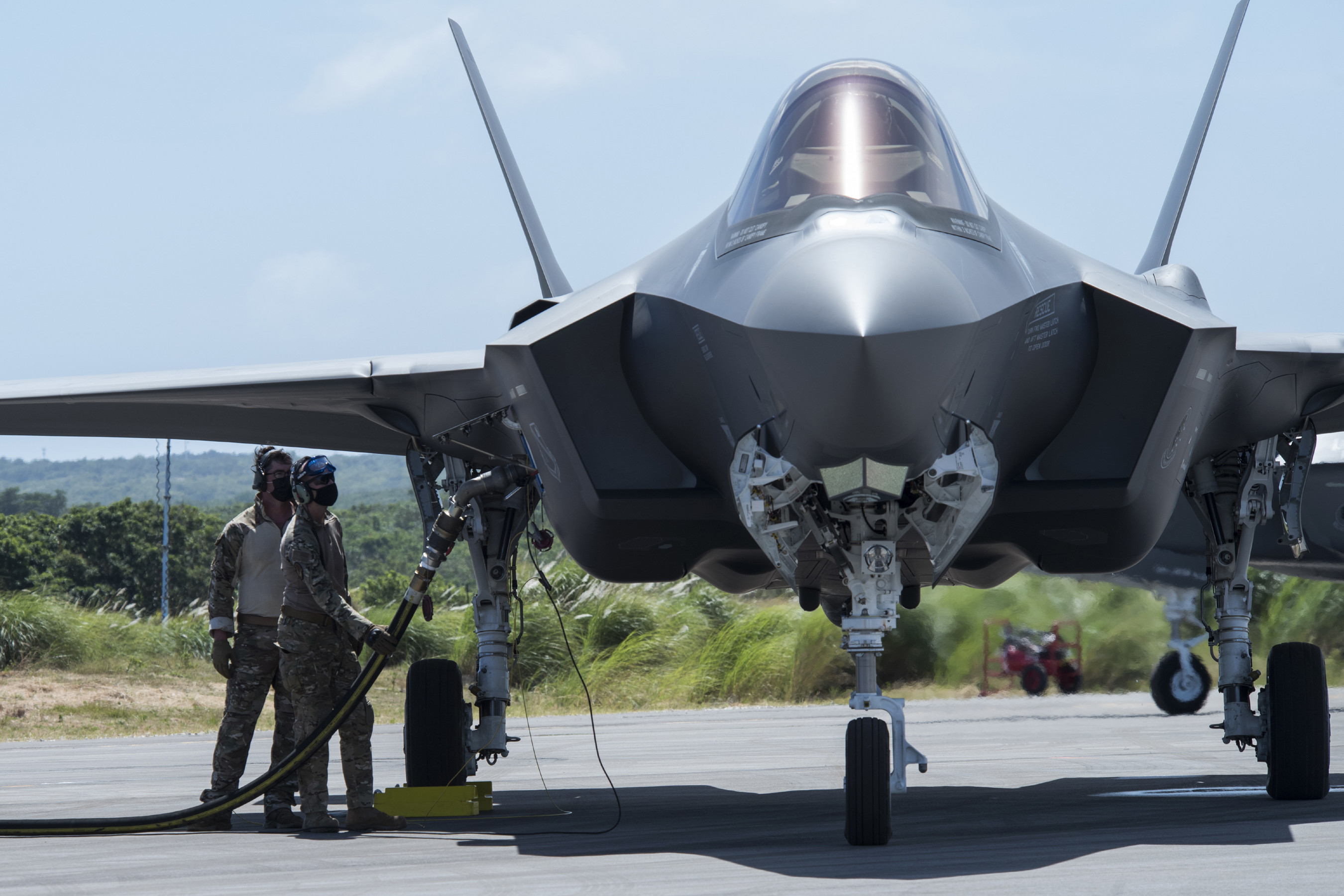
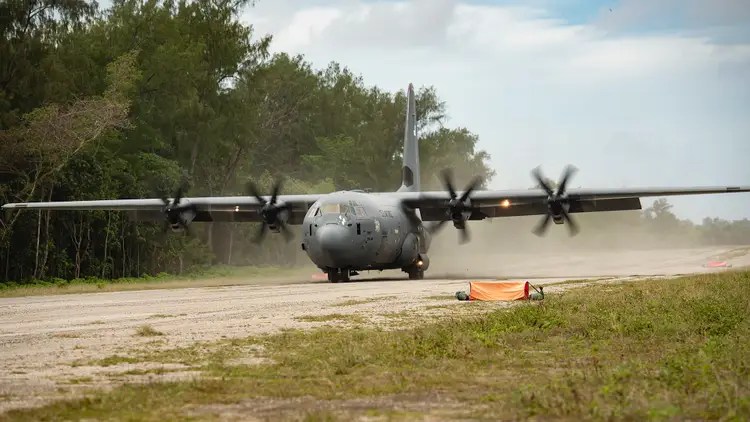
The concept of Agile Combat Employment (ACE) that the United States Air Force (USAF) is focusing on today can draw valuable lessons from the innovative strategies and tactics employed by General Kenney, his approach to logistics, aircraft utilization, and maintenance in the Pacific Theater offers a historical blueprint for implementing ACE principles effectively.
Innovations in Aircraft Utilization
Kenney’s innovative use of aircraft, including modifying bombers for different roles and developing new tactics like skip bombing, showcases the kind of flexibility and adaptability at the core of ACE. His ability to repurpose and adapt aircraft for various missions, such as transforming B-17 bombers for maritime patrol, aligns with the ACE principle of maximizing the utility of available resources.
Logistics and Maintenance Innovations
Kenney’s logistical strategies, particularly his efforts to streamline the maintenance and supply systems despite challenging conditions in the Pacific, demonstrate the importance of efficient logistics in sustaining operations in dispersed and austere environments, a key aspect of ACE. His insistence on practical solutions over bureaucratic procedures and his focus on ensuring that critical equipment reached the front lines effectively are lessons in operational agility and sustainability.
Tactical Flexibility and Force Multiplier
Kenney’s tactical innovations, including the development of skip bombing and the low-altitude attack tactics with converted A-20 bombers, exemplify the ACE focus on tactical flexibility and using airpower as a force multiplier. By leveraging air mobility and striking power innovatively, Kenney was able to achieve strategic objectives and maintain air superiority, which are crucial elements in the ACE concept.
Leadership and Vision
Kenney’s leadership style, characterized by his willingness to challenge existing norms, take calculated risks, and foster innovation among his subordinates, aligns with the kind of visionary leadership required to implement ACE effectively. His ability to coordinate with other branches of the military and integrate airpower into broader strategic objectives also reflects the multidomain operational approach integral to ACE.
IN THE END
General George C. Kenney’s approach during WWII exemplifies the essence of adaptive and forward-thinking military leadership, qualities that are increasingly relevant in today’s rapidly evolving combat environments. His strategies underscore the importance of agility, innovation, and inter-service cooperation, principles that are foundational to the USAF’s Agile Combat Employment (ACE) strategy. Kenney’s legacy teaches that success in future conflicts will likely depend on the ability to adapt, innovate, and operate across multiple domains, leveraging the full spectrum of military capabilities. As the USAF continues to develop and implement ACE, reflecting on Kenney’s methods and achievements offers valuable insights for crafting robust, flexible, and effective contemporary airpower strategies.
 Mastermind Century Group