


Christian McCaffrey, the dynamic running back for the San Francisco 49ers, isn’t just a force to be reckoned with on the football field; he’s also a testament to the transformative power of philosophy in sports. While many athletes rely solely on physical training and natural talent, McCaffrey takes his preparation a step further, integrating Bruce Lee’s martial arts philosophies into his approach to the game. Far from mere fighting principles, Lee’s teachings encompass adaptability, mental resilience, and continuous self-improvement—qualities that McCaffrey has harnessed to become the dominant athlete he is today. As he continues his spectacular run with the 49ers, it becomes increasingly evident that the union of mind and body, so central to martial arts, has a place of critical importance on the gridiron as well. In this exploration, we’ll delve into the facets of Bruce Lee’s philosophy that have found a resonant echo in McCaffrey’s gameplay and training regimen, proving that sometimes, the path to athletic greatness can begin in the most unexpected of places.
BRUCE

Bruce Lee was not only a martial artist and actor but also a thinker who integrated diverse philosophies into his life and practice. His philosophy can be dissected into several key areas:
Jeet Kune Do (The Way of the Intercepting Fist)
- Practicality: Lee believed that martial arts should focus on useful, effective techniques. Anything that didn’t have a direct application in combat was discarded.
- Simplicity: Lee valued straightforward approaches both in combat and in life. He often mentioned that simplicity was the key to brilliance.
- Personalization: Jeet Kune Do wasn’t meant to be a static, unchanging style but a set of principles. Lee encouraged practitioners to adapt techniques to suit their needs, essentially making the art a personal journey.
Taoism and Zen Influence
- “Be Water, My Friend”: This famous quote encapsulates Lee’s Taoist views. Just as water adapts to the shape of the container it fills, Lee believed in the importance of adaptability to circumstances.
- Mindfulness: Heavily influenced by Zen, Lee emphasized the need to be fully present in whatever one is doing, whether it’s fighting or everyday activities.
Learning from All Sources
- Eclecticism: Lee was not a purist when it came to martial arts styles or philosophies. He believed in learning from various sources and integrating that knowledge.
- Interdisciplinarity: His eclectic approach extended beyond martial arts into his reading and studying habits. He read widely, from philosophy to psychology, and sought to integrate these ideas into his own worldview.
Self-Actualization
- Personal Growth: Lee was dedicated to self-improvement, both as a martial artist and as an individual. His relentless pursuit of excellence was rooted in the belief that one should constantly strive to better oneself.
- Authenticity: Lee often spoke about the importance of being true to oneself. This extended to his martial arts, where he encouraged practitioners to develop their own “way” rather than blindly following a tradition.
Social and Cultural Thoughts
- Equality: Though less emphasized, Bruce Lee was a proponent of treating all people with respect, regardless of their race or background. He broke with traditional martial arts schools in Hong Kong that were often closed to Westerners and taught whoever was willing to learn.
FOOTBALL and McCaffrey

Bruce Lee’s philosophies on adaptability, fluidity, and mental preparation have found their way into many sports training regimens and could be applied to enhance performance in American football. Ideas like being “like water,” emphasizing mental clarity, and pursuing continuous self-improvement could offer valuable insights for any athlete, including those in team sports like football.
Adaptability and Fluidity (“Be Water”)

- Game Strategy: Just as water adapts to its environment, players and coaches need to adapt their strategies to counter the opponent’s tactics effectively. Injuries, weather conditions, and even crowd energy can affect a game, requiring a flexible approach.
- Positional Versatility: Players often have to adapt to different positions due to injuries or tactical needs. Being adaptable can make a player more valuable to the team.
Simplifying Complexity
- Simplifying Plays: Bruce Lee emphasized the significance of simple, effective actions over complex, ineffective ones. This can apply to the playbook where a well-executed simple play can often be more effective than a complex one poorly executed.
- Decision-Making: Quarterbacks, in particular, have to make split-second decisions. Simplifying the decision-making process can lead to quicker and more effective plays.
Mindfulness and Focus
- In-the-Moment Awareness: In football, being fully present can make the difference between making a game-changing play and missing an opportunity. Lee’s Zen-influenced philosophy can help athletes remain focused and block out distractions.
- Mental Resilience: Mindfulness can also aid in recovering from setbacks during the game, helping players stay focused and not get disheartened.
Continuous Improvement
- Training and Conditioning: Lee’s philosophy of continuous self-improvement translates well into an athlete’s need for constant physical and skill development. Players can always find aspects to work on during the off-season or even in-season to improve their game.
- Technique Refinement: Even seasoned professionals can refine their techniques. Just as Lee never considered himself a ‘master’ but a perpetual student, athletes too can benefit from this mindset.
Eclecticism
- Cross-Training: Bruce Lee incorporated different martial arts styles into his own. Similarly, athletes can benefit from cross-training in different athletic disciplines to improve various aspects of their game.
- Learning from Losses: Losses and failures can be excellent teachers. Instead of rigidly sticking to one style or strategy that has brought success in the past, teams and athletes can learn from defeats to become more rounded and adaptable.
Team Dynamics
- Interpersonal Relationships: Bruce Lee valued respect and equality, principles that can help maintain a positive and cooperative team dynamic, essential for any team sport.
- Leadership: Leaders within the team can apply Bruce Lee’s philosophies by motivating team members to continually improve and adapt to changing conditions, instilling a growth mindset.
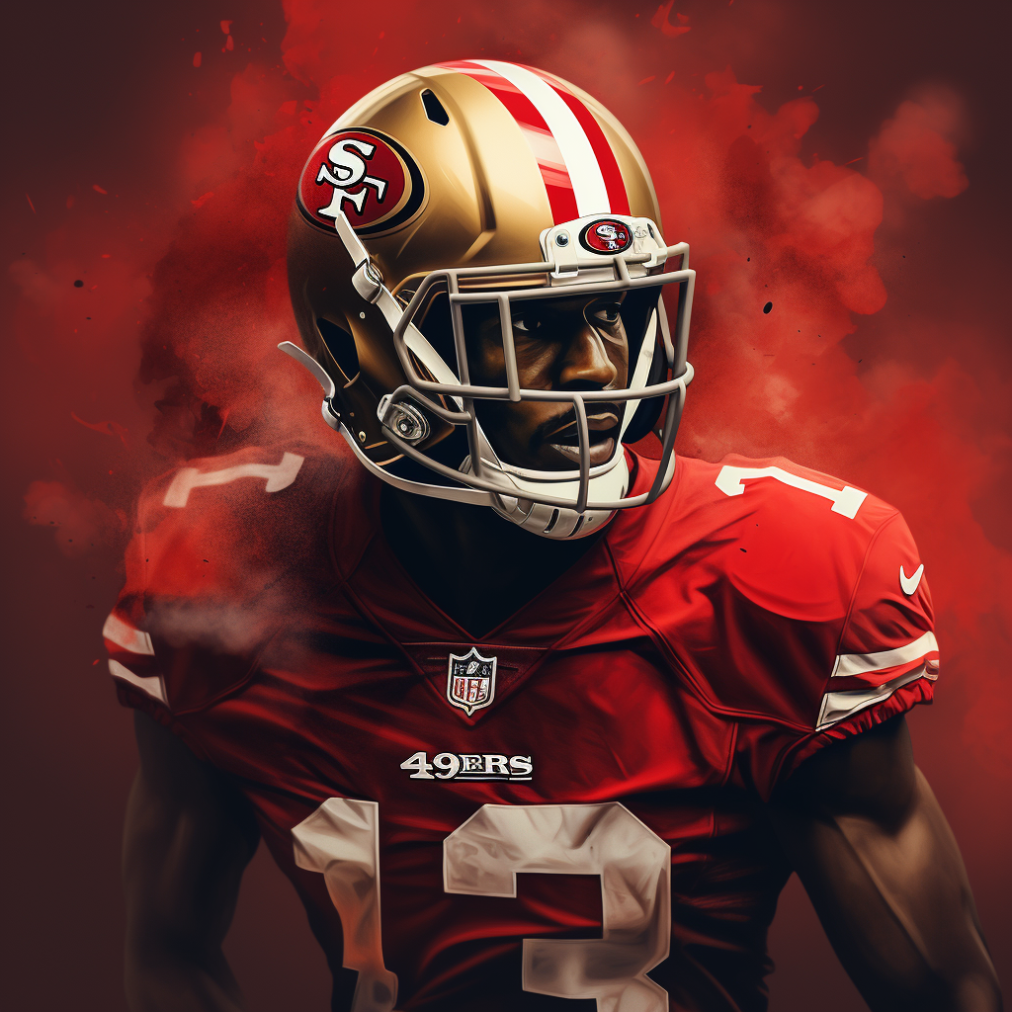
Bruce Lee’s philosophies offer a comprehensive approach to personal and team development that can be beneficial in high-performance environments like American football.
IN THE END
It’s fascinating to hear that Christian McCaffrey attributes some of his athletic prowess and mindset to Bruce Lee’s teachings and martial arts philosophy. This underscores the versatility and wide-ranging applicability of Lee’s ideas, extending even into disciplines as different as American football.
The principles of adaptability, continuous improvement, and mental resilience can indeed be transformative, not just in martial arts but in any high-performance endeavor. McCaffrey has integrated these principles into his training and gameplay, it explains some facets of his dominance on the football field.
Martial arts often focus on enhancing not just physical strength but also mental agility and focus, which are vital in a sport as physically and mentally demanding as American football. Joining a team like the 49ers, with their storied history and high expectations, has been an outstanding stage for McCaffrey to demonstrate these attributes.
It will indeed be interesting to watch how McCaffrey continues to evolve as an athlete and what impact he will continue to make with the 49ers, especially if he continues to apply Bruce Lee’s philosophies to his game. Given the rigorous demands of professional football, the holistic approach to mind and body that martial arts offers clearly provides him with a unique edge.
 Mastermind Century Group